US Deploys New Carrier Amid Mental Health Concerns on USS Lincoln
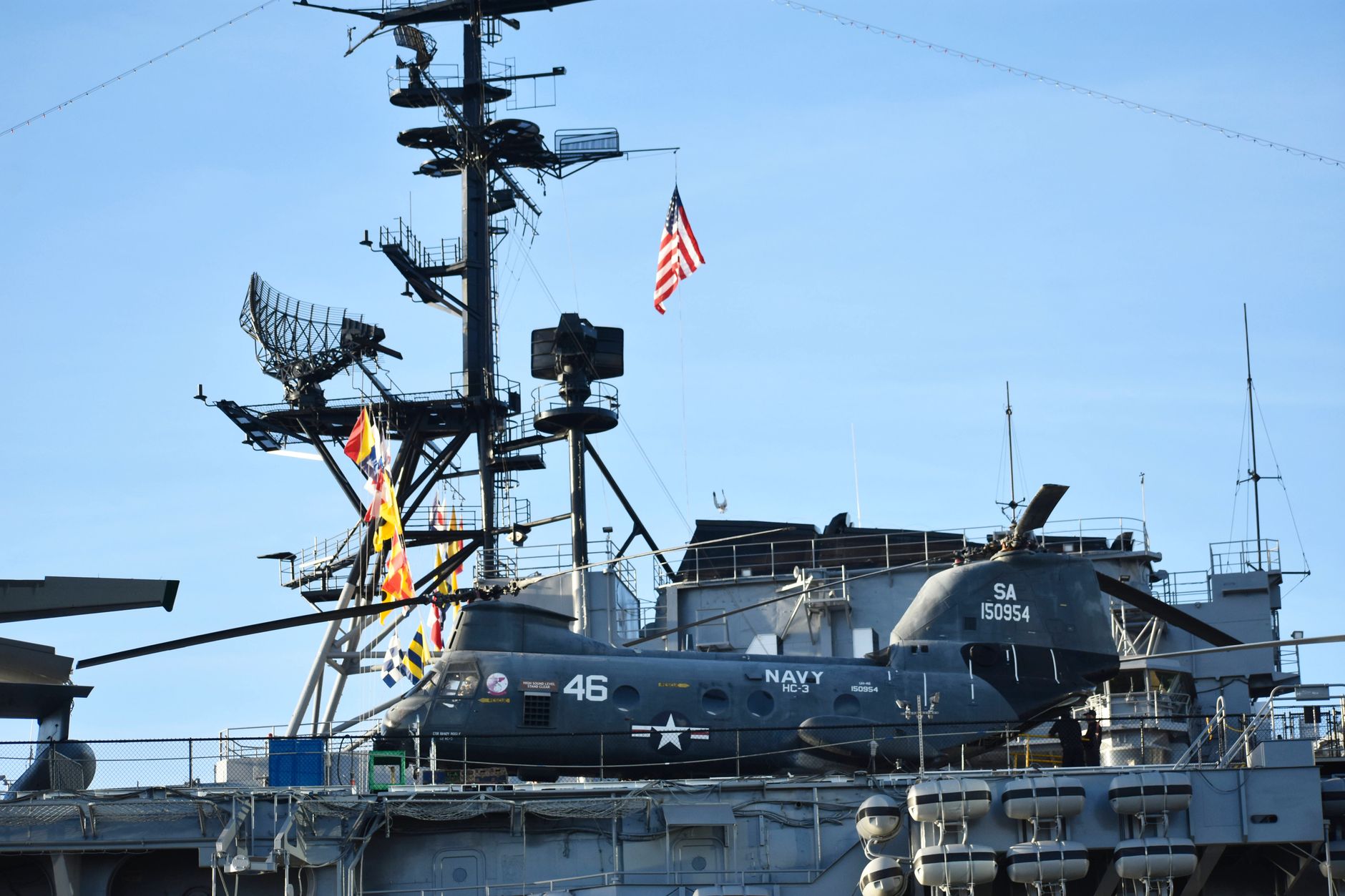
In a strategic manoeuvre that underscores the gravity of the situation, the United States is dispatching the USS George Washington to the Middle East. This decision follows unsettling reports from the USS Abraham Lincoln, embroiled in a mental health crisis among its sailors. The Lincoln, stationed in the region for what seems an interminably long deployment, has become a focal point of concern.
The Lincoln's crew, who have endured months at sea in support of operations related to the Iran conflict, have reportedly faced severe mental health challenges. These challenges are said to have been exacerbated by supply issues and the sheer length of their assignment. The US Navy has, as a result, expedited the deployment of the George Washington to relieve the beleaguered Lincoln.
Understanding the Crisis
The predicament aboard the Lincoln is not an isolated incident but rather reflects a wider issue within the military. Prolonged deployments have historically been linked to mental health strains, affecting morale and overall readiness. The modern sailor, while well-equipped for combat, faces invisible battles that are often overlooked.
Experts highlight that mental health in the armed forces is an area that demands urgent attention. The combination of high-stress environments, isolation from family, and operational pressures can culminate in significant psychological distress. Addressing these issues is crucial, not only for the welfare of the personnel but also for maintaining operational effectiveness.
Broader Implications
The US Navy's swift reaction to these reports signals a growing recognition of mental health as a fundamental component of military preparedness. As global tensions rise, the importance of a mentally resilient force cannot be overstated. The decision to replace the Lincoln with the George Washington is as much about operational necessity as it is about safeguarding the mental well-being of its sailors.
This episode serves as a stark reminder of the sacrifices made by service members and the need for comprehensive support systems. It is hoped that increased awareness will lead to more robust policies to protect those who serve their nation.