US Escalates AI Tensions with Ban on China's DeepSeek
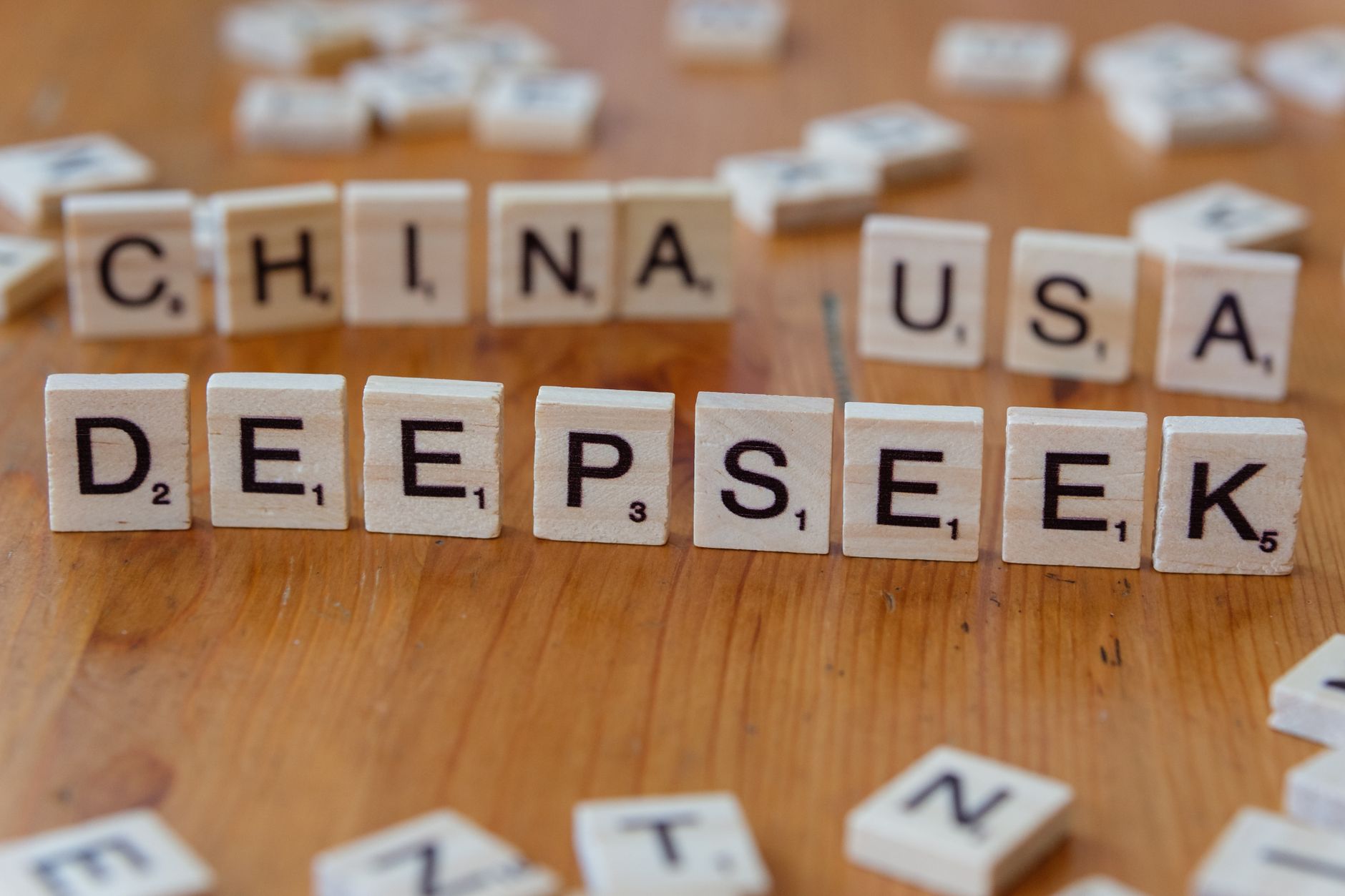
In a move that's stirred the simmering pot of technological rivalry, the United States has barred the Chinese AI assistant DeepSeek from use on government devices. This decision, predominantly driven by concerns over data privacy and the security of sensitive information, marks another chapter in the ongoing geopolitical saga between two superpowers.
The US Commerce Department's ruling arrives amidst an intensifying AI arms race, where major players are vying for technological supremacy. DeepSeek, which has rapidly gained popularity, notably outshining OpenAI's ChatGPT in the Apple App Store earlier this year, now finds itself at the centre of controversy. The ban reflects a broader strategy reminiscent of previous actions against Chinese tech entities like Huawei and TikTok, highlighting the intricate web of security concerns entangled with technological advancement.
Geopolitical Implications
The geopolitical implications of this ban cannot be understated. As artificial intelligence becomes a cornerstone of modern defence and economic strategy, the control and regulation of AI technologies are increasingly seen as pivotal. The US, wary of potential espionage and intellectual property theft, appears determined to maintain a tight grip on its digital infrastructure. This particular ban, however, is not just about security; it's a statement of intent in the global race for AI dominance.
China, unsurprisingly, has criticised the decision, likening it to a politically motivated manoeuvre. Beijing's swift rebuke of the ban underscores the sensitivity of tech relations between the two nations. As US lawmakers continue their efforts to curtail the influence of Chinese tech, the conversation around innovation versus security becomes ever more pertinent.
The Road Ahead
This development is likely to be a focal point at the upcoming AI Summit in Paris, where global tech leaders will convene to discuss the future of artificial intelligence. While the ban on DeepSeek may curtail potential security risks, it also raises questions about the impact on innovation. Will such restrictions stifle the creative potential of AI, or are they necessary steps in safeguarding national interests?
As the US and China continue to navigate the precarious waters of technological competition, the world watches closely. The outcome of this AI arms race could very well define the geopolitical landscape for decades to come.