US Government Blocks Chinese AI Amid Rising Tech Tensions
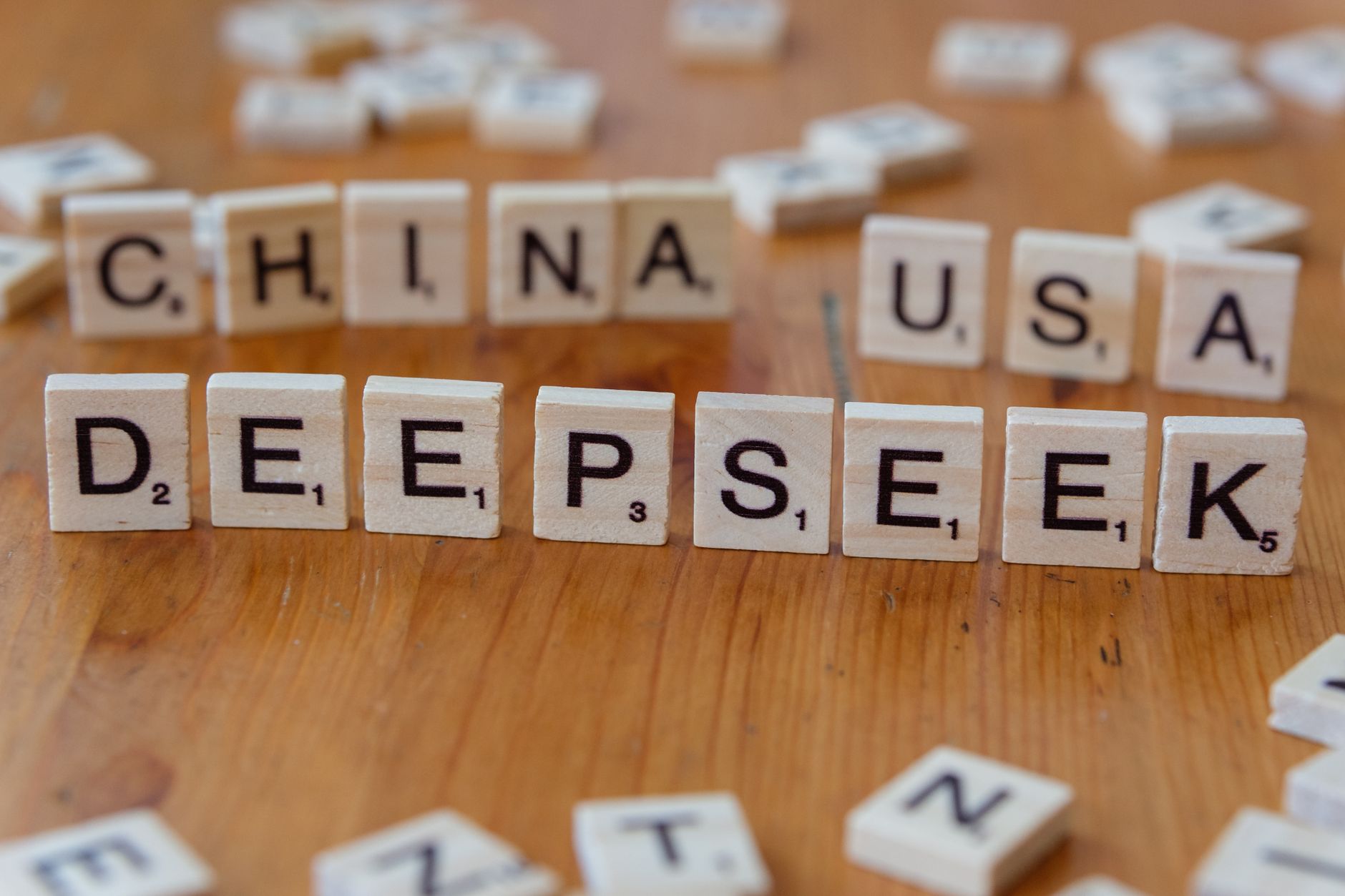
The United States has taken a decisive step in the ongoing technological standoff with China by banning the use of DeepSeek AI in government systems, citing concerns over data security. The order, issued by the Department of Homeland Security, mandates the removal of all DeepSeek products from federal agencies, reflecting a broader strategy to shield critical infrastructure from perceived foreign threats.
DeepSeek, a Chinese-developed artificial intelligence model lauded for its efficiency and cost-effectiveness, has been abruptly excised from US government use. The move is emblematic of the heightened scrutiny Chinese tech firms are facing in the US amidst fears that their technologies could be exploited for surveillance or cyber-espionage.
Security Concerns and Economic Implications
Security officials have long warned about the potential risks posed by foreign technology, particularly when it comes to sensitive government data. The ban on DeepSeek is seen as part of a broader attempt to decouple US technological infrastructure from Chinese influence, a policy that has gained momentum in recent years under various administrations.
While the immediate rationale is rooted in security, the economic implications cannot be overlooked. By excluding Chinese firms like DeepSeek, the US is not only safeguarding its data but also creating opportunities for domestic companies to fill the void. However, this protectionist stance could also invite retaliation from China, potentially affecting US firms operating in the Chinese market.
A Broader Geopolitical Battle
This development is yet another act in the ongoing geopolitical drama between the world's two largest economies. As both nations vie for dominance in the realm of emerging technologies, such measures signal a deepening divide that extends beyond economics to questions of global power and influence.
For Washington, the ban is a necessary precaution in an era where data is as valuable as oil, and security is paramount. For Beijing, however, it represents yet another instance of what it perceives as unfair targeting of its technological advancements.
As the dust settles on this latest decision, the world watches closely, aware that such moves could shape the future of global tech competition and cooperation.