US Government Challenges Elite Universities on Inclusivity
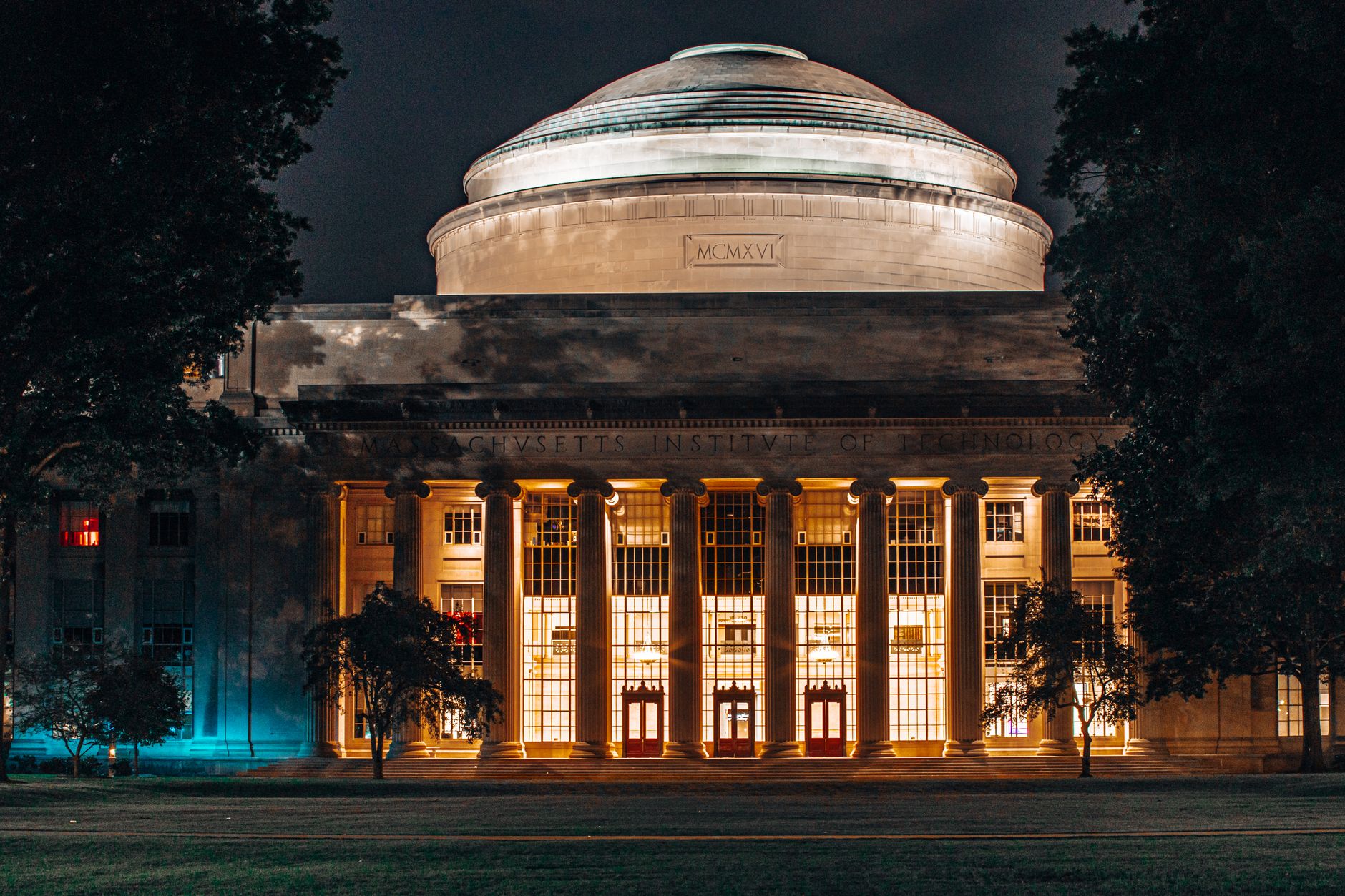
The United States government has taken the unusual step of asking some of the nation’s most prestigious universities to rethink their deeply ingrained cultures of individualism. Harvard, MIT, Stanford, and other top institutions have been encouraged to embrace a more inclusive ethos as part of a wider effort to combat the societal inequities laid bare by the COVID-19 pandemic.
This call to action is not merely about optics. The pandemic highlighted stark discrepancies in access to education and opportunities, an issue that even the most esteemed universities cannot ignore. Many argue that the elite nature of these institutions contributes to social stratification, rather than alleviating it. The government’s message underscores the need for educational centres to play a proactive role in creating equitable environments for all students.
The Role of Prestige and Access
Universities like Harvard and Stanford are synonymous with academic excellence and cutting-edge research, their reputations cemented by decades of contributions to global knowledge. However, with prestige comes responsibility. The challenge now lies in balancing their acclaimed individualistic culture with a commitment to inclusivity.
Critics have long pointed out the barriers faced by underrepresented groups in accessing these hallowed halls. The government’s directive hints at a potential shift in policy, aiming to broaden the scope of opportunity beyond the traditional corridors of power. It suggests that by fostering a more diverse student body, these institutions can better equip themselves to address complex global challenges.
A New Academic Paradigm?
While the path forward remains uncertain, the conversation initiated by this government intervention is timely. Universities are being challenged to reassess their admissions criteria, support systems, and outreach programmes to ensure they are not only inclusive in theory but also in practice.
This move may signal the beginning of a broader transformation in higher education, one where inclusivity and diversity are not mere buzzwords but foundational principles. As these institutions ponder their next steps, the world watches closely, hoping for a shift that could redefine the essence of academic excellence.