US Secretary Rubio's Strategic Tour: Uzbekistan and India in Focus
When US Secretary of State Marco Rubio touches down in Samarkand on 17th October, it marks the beginning of a journey that could redefine America's engagement with Central and South Asia. The five-day tour, which includes stops in Uzbekistan and India, comes at a time of significant geopolitical shifts.
Uzbekistan, with its rich history and strategic location, is emerging as a pivotal player in the region. Rubio's visit to Samarkand is not merely symbolic; it reflects a deeper intention to engage with Uzbekistan as a bridge between East and West. Discussions are likely to centre around economic collaboration and regional security, particularly in light of recent developments in Afghanistan.
From the ancient city of Samarkand, Rubio will travel to the bustling metropolis of Mumbai. India's financial capital is a fitting venue for discussions on trade. The US and India have shared interests in technology, renewable energy, and defence, and these are expected to be high on the agenda. The meeting also presents an opportunity to address the complexities of US-India trade relations, which have seen both cooperation and contention in recent years.
Jamnagar: The Renewable Energy Hub
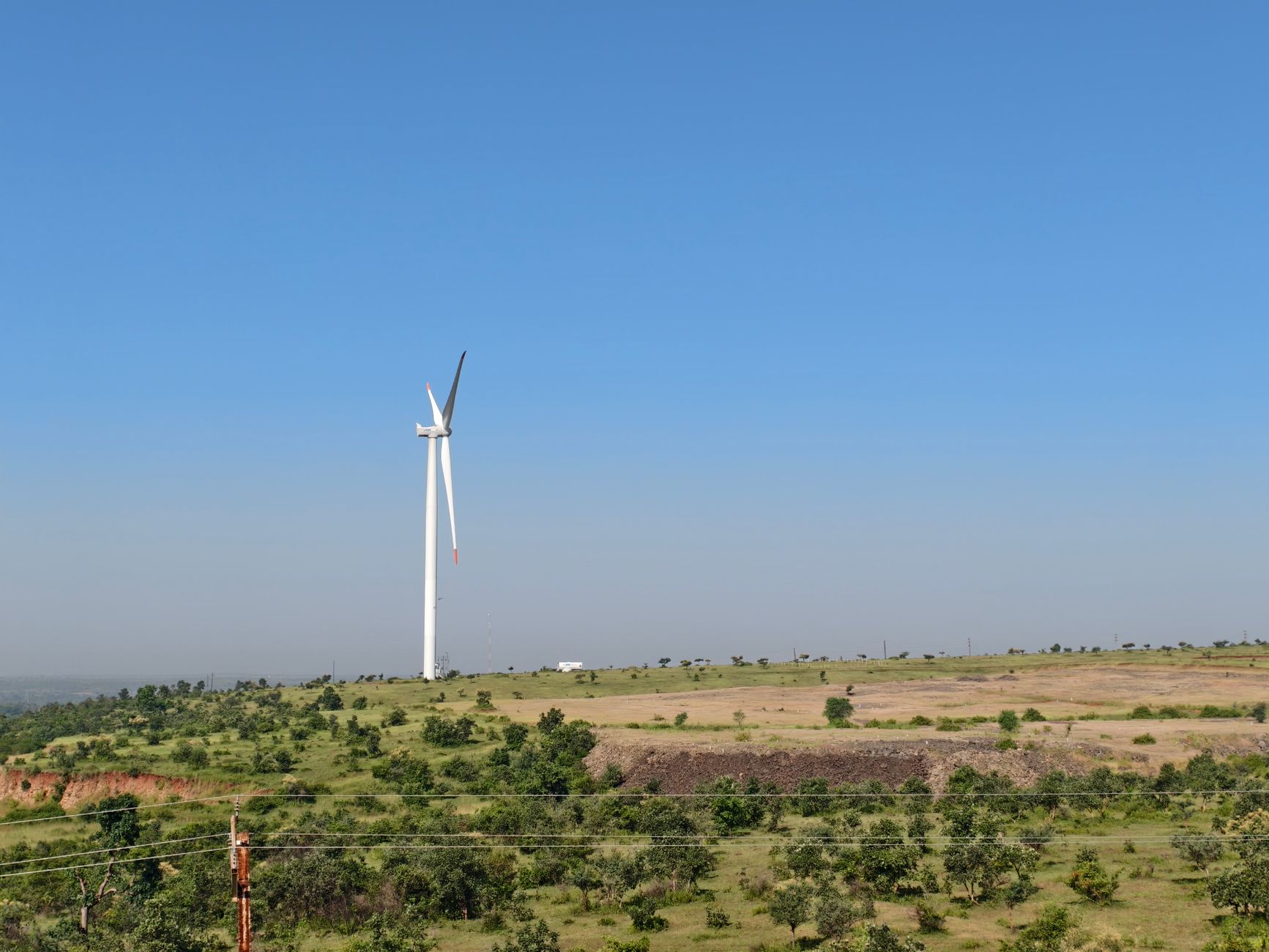
The final leg of Rubio's journey takes him to Jamnagar. Known for its vast oil refineries, Jamnagar is also at the forefront of India's renewable energy ambitions. As the world grapples with climate change, the visit underscores a shared commitment to sustainable energy solutions. It is here that Rubio is expected to discuss the potential for US investment in India's renewable energy sector, a move that could bolster both economies while addressing global environmental challenges.
This visit is not merely about bolstering bilateral ties. It is a statement of intent, a declaration that the US sees both Uzbekistan and India as integral partners in a rapidly evolving world order. As Rubio navigates the complexities of these relationships, the outcomes of his discussions could have lasting impacts on regional dynamics and beyond.