USAID Withdrawal: The Unseen Environmental Toll
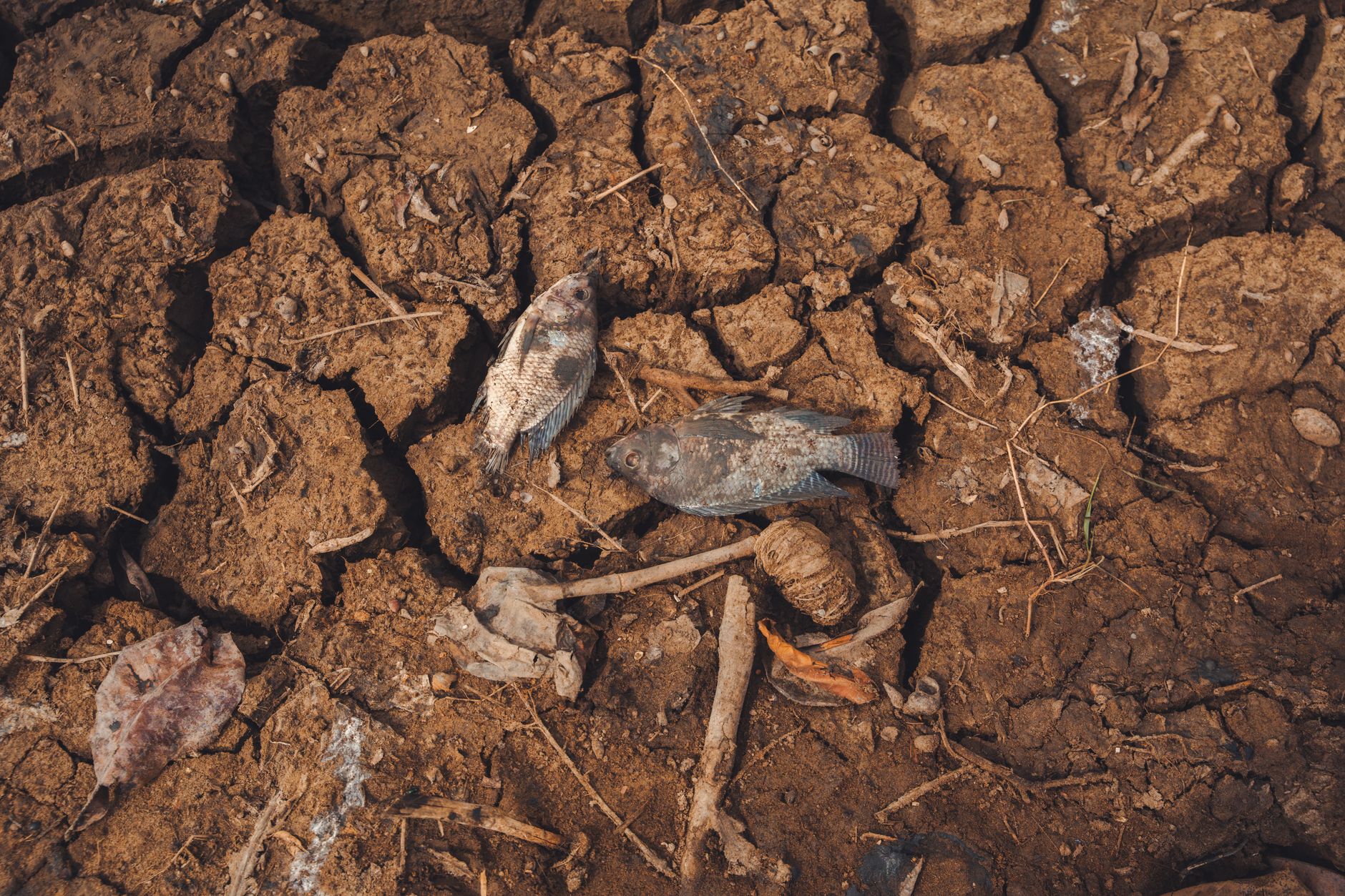
In the hushed corridors of international philanthropy, the withdrawal of USAID from its expansive environmental commitments has sent ripples of concern. A new report details the alarming consequences of this retreat, painting a grim picture of stuttering projects and abandoned ecosystems.
The report, authored by two former senior USAID staffers, is based on interviews with 150 individuals across five countries who have witnessed the fallout first-hand. These testimonies reveal that without the agency’s substantial $1 billion annual contribution, many conservation initiatives have faltered. Projects designed to safeguard fragile ecosystems now teeter on the brink of collapse, their futures uncertain.
Among the hardest hit are initiatives in biodiversity hotspots, where USAID's funding once bolstered local efforts to preserve endangered species and habitats. With financial support withdrawn, these projects now face an uphill battle to secure new sources of funding. According to the report, a list of 100 such initiatives is circulating among potential donors, a testament to the urgent need for financial intervention.
For decades, USAID was unrivalled in its commitment to environmental causes. Its departure not only weakens the immediate protective measures but also undermines long-term policy frameworks that were beginning to bear fruit. The ripple effects of this withdrawal extend beyond borders, touching on global environmental goals and climate agreements.
Analysts warn that the vacuum left by USAID could be filled by less scrupulous actors, potentially prioritising profit over preservation. In the absence of USAID’s strategic oversight, the path forward appears fraught with challenges. The report calls for renewed international collaboration and funding to prevent further environmental degradation and to sustain the progress that has been made.