USAID's Withdrawal: A Blow to Global Conservation Efforts
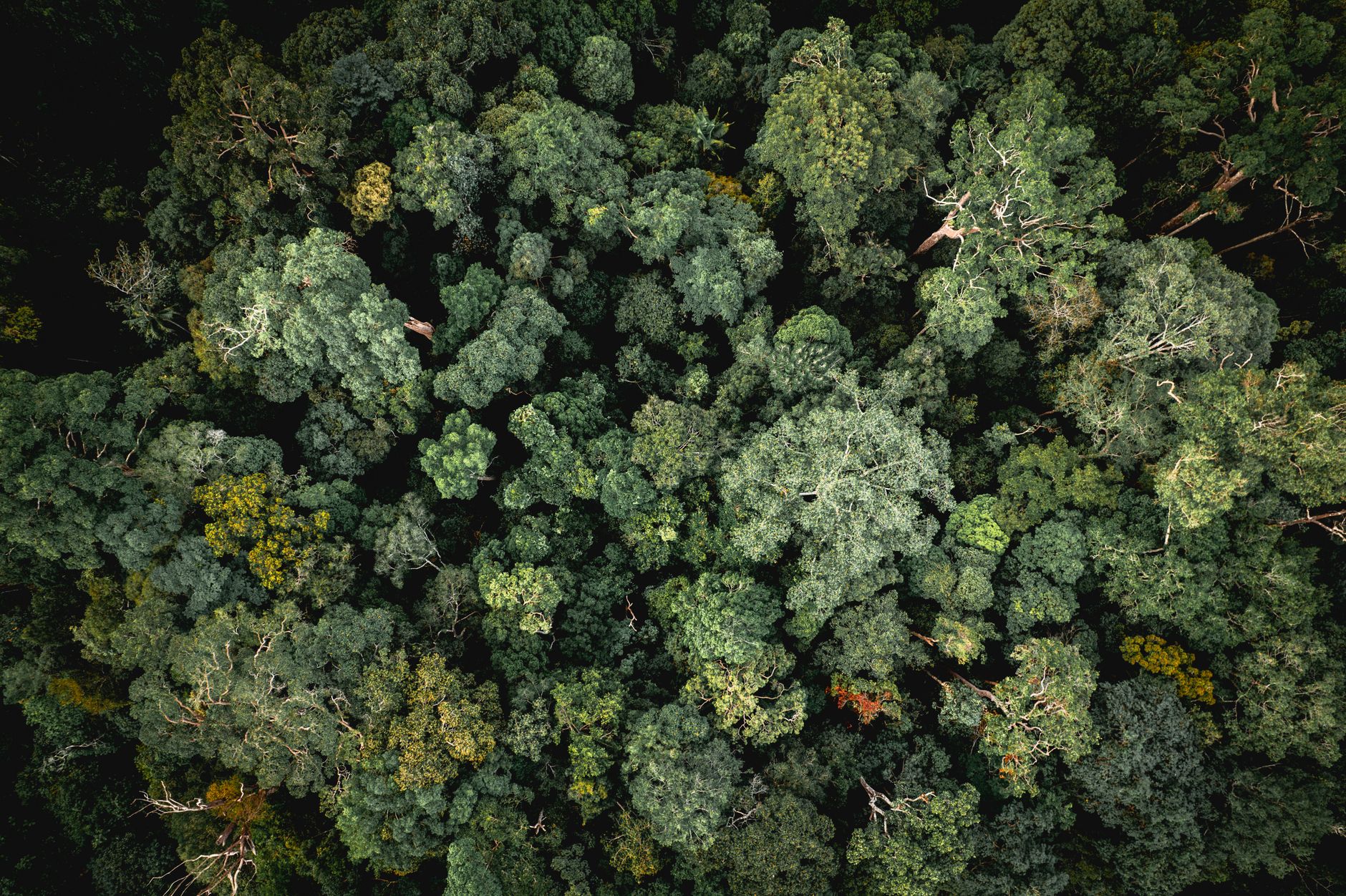
The abrupt cessation of USAID-funded environmental projects has sent shockwaves through the international conservation community. According to a newly published report, the absence of this vital support has led to the collapse of numerous projects aimed at protecting some of the world's most fragile ecosystems.
USAID, established in 1961, has long been a cornerstone of international development efforts, extending its reach into environmental conservation over the decades. However, its recent withdrawal has left a gaping void. Interviews with 150 people across five countries reveal a disheartening picture: projects once thriving on USAID's support now scramble for new funding sources.
Amongst the most affected are initiatives in critical regions that depend heavily on sustained financial backing to survive. Many of these projects, which were designed to preserve biodiversity and promote sustainable resource management, have either stalled or collapsed entirely.
A Global Ripple Effect
The report identifies over 100 projects currently seeking new patrons. The broader implications are troubling; the disruption could significantly undermine global environmental goals. The cessation of USAID's $1 billion annual funding may weaken international efforts to combat climate change and preserve biodiversity.
Environmental experts warn that without immediate intervention, the progress made over decades could be undone. The fragile ecosystems that these projects aimed to protect are now at greater risk of exploitation and degradation.
Looking Ahead
While the report underscores the urgency of finding alternative funding, it also serves as a cautionary tale about the reliance on single sources of support for global initiatives. The international community faces the daunting task of rallying resources to fill the void left by USAID's departure.
The future of global conservation efforts hinges not only on finding new funds but also on fostering more resilient and diversified funding strategies. As the world grapples with the repercussions of this withdrawal, the importance of sustainable support systems for environmental projects becomes ever more apparent.