USAID’s Withdrawal: A Blow to Global Environmental Efforts
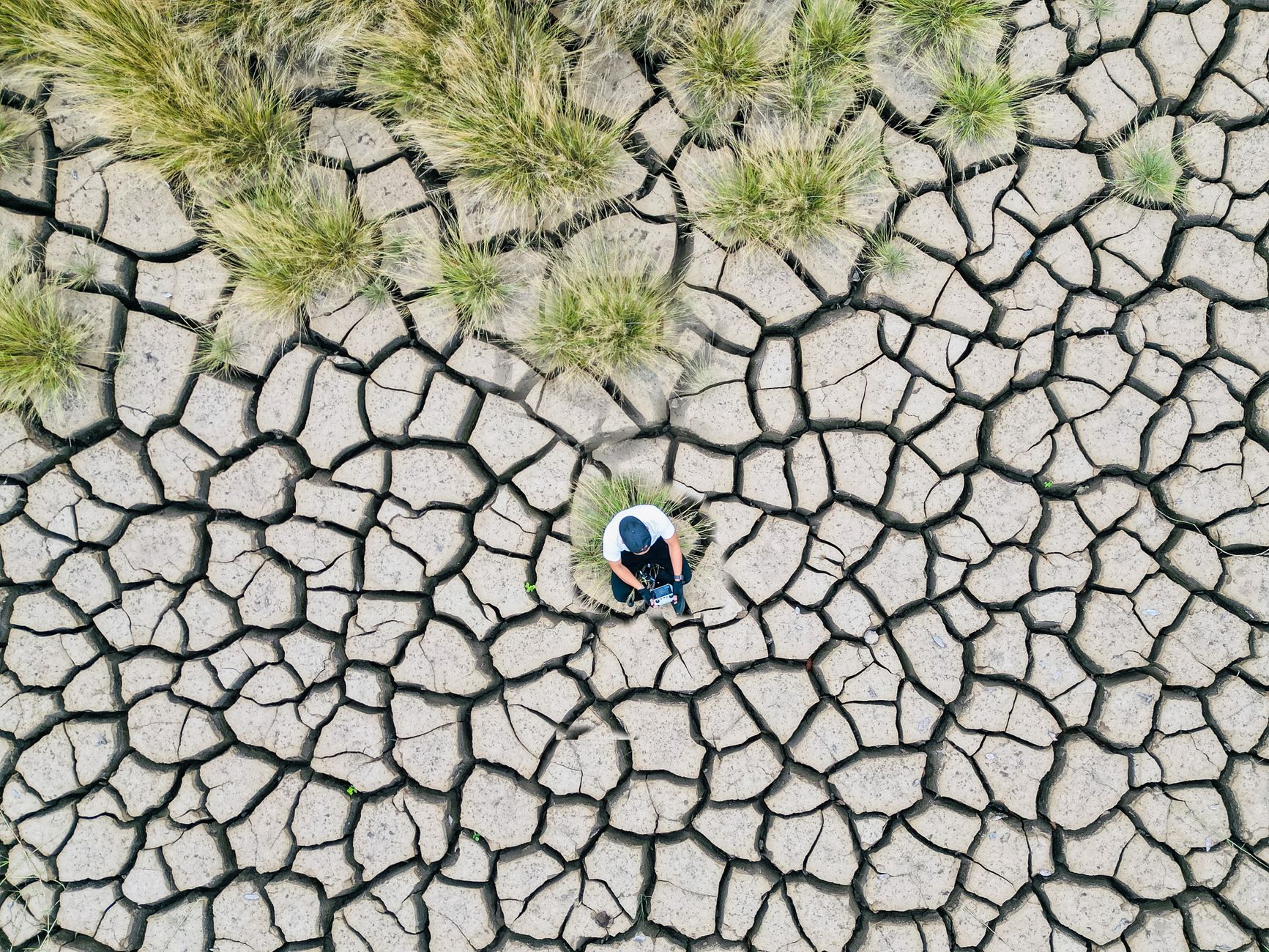
In a world grappling with environmental challenges, the cessation of USAID's substantial funding has emerged as a significant setback for global conservation efforts. A new report, compiled by two erstwhile senior USAID staff members, has highlighted the far-reaching consequences of this decision. Based on interviews with 150 stakeholders across five countries, the findings paint a grim picture of stalled and collapsed projects that once held promise for some of the world's most delicate ecosystems.
The report underscores the sheer scale of USAID's past involvement. With an annual investment of $1 billion dedicated to climate and environmental initiatives, the agency was a colossus in the field. Its departure has not only left a financial vacuum but also disrupted long-standing projects aimed at protecting landscapes and supporting environmental policymaking.
One particular revelation from the report is the impact on local communities that have relied on these projects for both environmental and economic sustenance. Many initiatives provided critical support to fragile ecosystems, offering a buffer against the more aggressive impacts of climate change. Now, with funding pulled, these communities face an uncertain future.
Despite the Trump administration's claims of inefficiency and waste, the report found little evidence to support such assertions. However, it did identify systemic issues, such as the use of large contractors, which sometimes inflated costs and diverted resources from where they were most needed. Yet, these problems pale in comparison to the current funding shortfall.
As 100 projects line up in search of new financiers, the international community is confronted with a stark choice: step in to fill the void or risk losing hard-won environmental gains. The report serves as a clarion call for renewed commitment and innovative funding solutions to ensure that conservation efforts do not wither in the absence of USAID's largesse.