Vatican Observatory: Bridging the Divine and Scientific
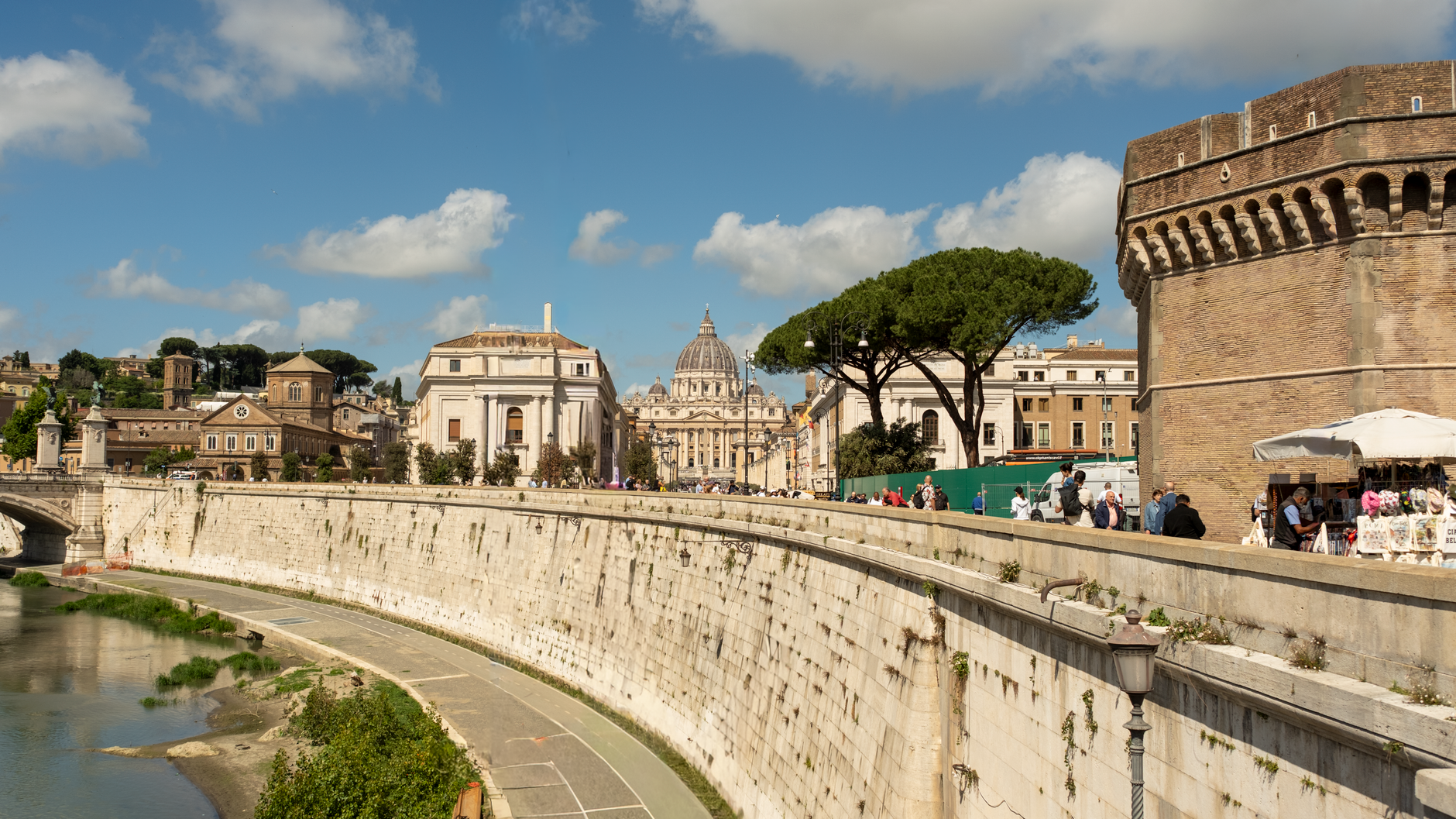
Perched atop the serene hills outside Rome, the Vatican Observatory is a powerful symbol of the dialogue between science and religion. Established in 1891 at the behest of Pope Leo XIII, the observatory was conceived as a beacon of unity, tasked with dispelling the notion that faith and scientific inquiry are inherently at odds.
At the heart of this mission is a commitment to explore the cosmos with a sense of wonder that transcends traditional boundaries. The observatory's headquarters in the Palace of Castel Gandolfo, a picturesque lakeside retreat, has hosted countless scholars and laypersons alike, all eager to engage in discussions that fuse divine inspiration with empirical evidence.
This year, the observatory's prestigious lecture series focused on the enigmatic realm of quantum gravity, inviting participants to ponder the fundamental nature of reality itself. Jesuit Brother Guy Joseph Consolmagno, director of the observatory, emphasises that both science and religion are conversations about the universe. His words echo the sentiments of many who have walked the observatory's hallowed halls, recognising that the pursuit of knowledge need not come at the expense of spiritual enrichment.
As Chris, a seasoned thinker, has pointed out, the perceived conflict between religion and science has its roots not in fundamental opposition, but as a political manoeuvre during the Enlightenment aimed at diminishing the Church's influence. Today, the Vatican Observatory stands as a counterpoint to that narrative, demonstrating that the two can coexist not only peacefully but synergistically.
With each astronomical discovery, the observatory continues to weave a tapestry that includes both celestial phenomena and the philosophical implications they inspire. It invites us to consider a more expansive view of the universe, one that embraces mystery along with the pursuit of clarity.