Vermont Scientists Unveil Fish with Transmissible Cancer
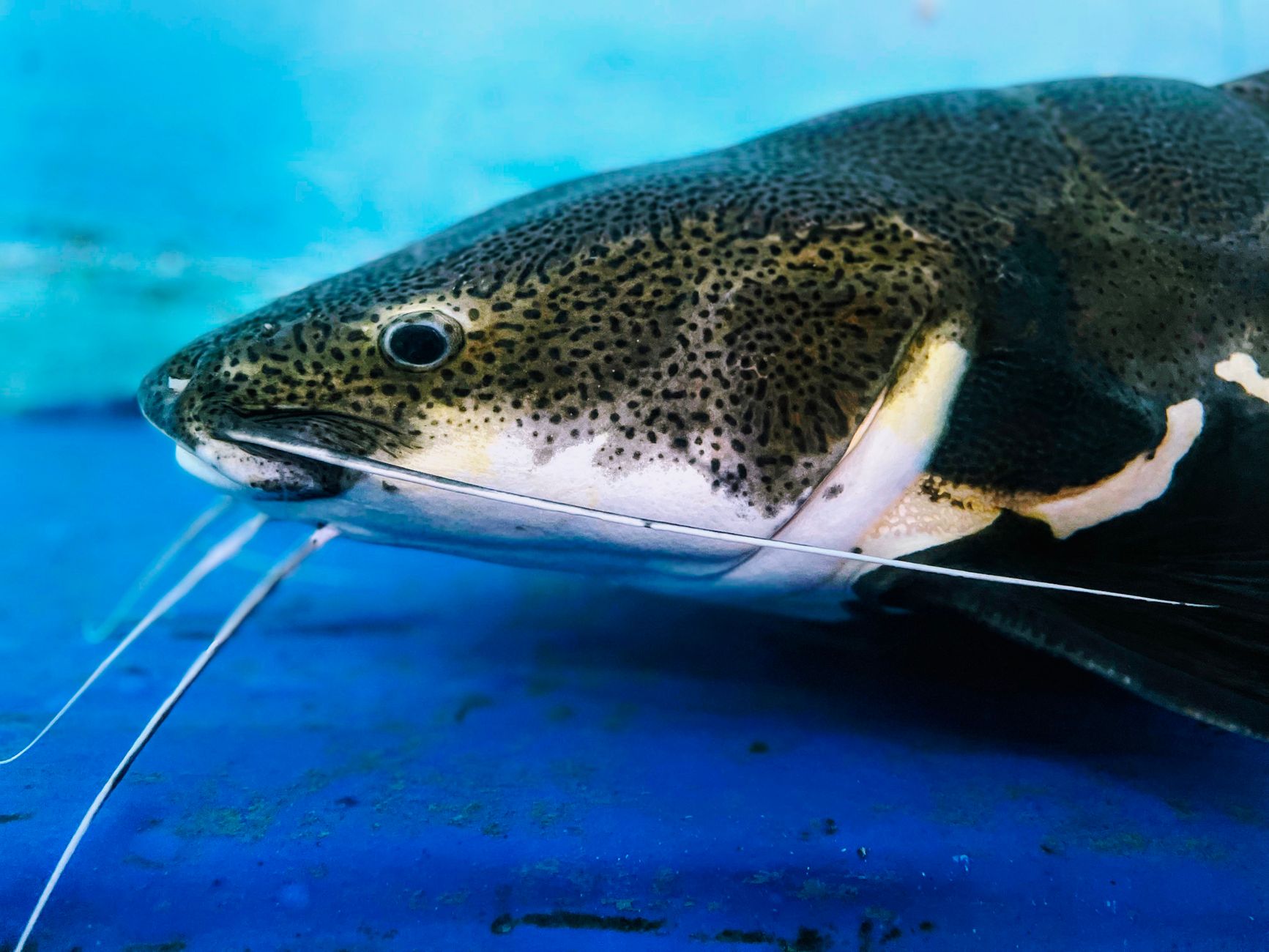
In an unexpected development, scientists in Vermont have discovered a transmissible melanoma-type cancer in freshwater catfish, marking a rare phenomenon in the animal world. This revelation adds a new dimension to our understanding of cancer transmission, as it is the first such case identified in fish and only the fourth known instance across all animals.
The discovery emerged from studies of catfish displaying mysterious black lesions, initially perplexing researchers. Upon closer examination, these lesions were identified as melanoma skin cancer, astonishingly contagious among the fish population. The cancer spreads from one fish to another, akin to a parasitic invasion, raising questions about its origin and ecological impact.
Ecological Implications
The significance of this discovery extends beyond the scientific curiosity about cancer. It invites profound ecological inquiries. The cancer has been found in a habitat characterised by one of Rabinowtiz’s “seven forms of rarity,” suggesting a potential vulnerability of the ecosystem. Understanding how this cancer interacts with its environment could unveil new insights into both cancer biology and freshwater ecology.
While only a handful of contagious cancers are known, this finding suggests there could be more undetected cases, particularly in less studied ecosystems. The discovery underscores the importance of ecological studies in unveiling hidden threats to biodiversity.
Future Research Directions
Future research will likely focus on understanding the mechanisms of transmission and potential preventive measures. Scientists are keen to explore whether similar cancers might exist in other species or environments and what this might mean for conservation efforts.
As the world grapples with various environmental challenges, this discovery serves as a reminder of the complex and often unexpected ways in which diseases can influence ecological balance. The intersection of cancer research and ecology could pave the way for innovative approaches to managing wildlife health and preserving biodiversity.