Vienna's Globe Museum: A Unique Portal to Human Understanding
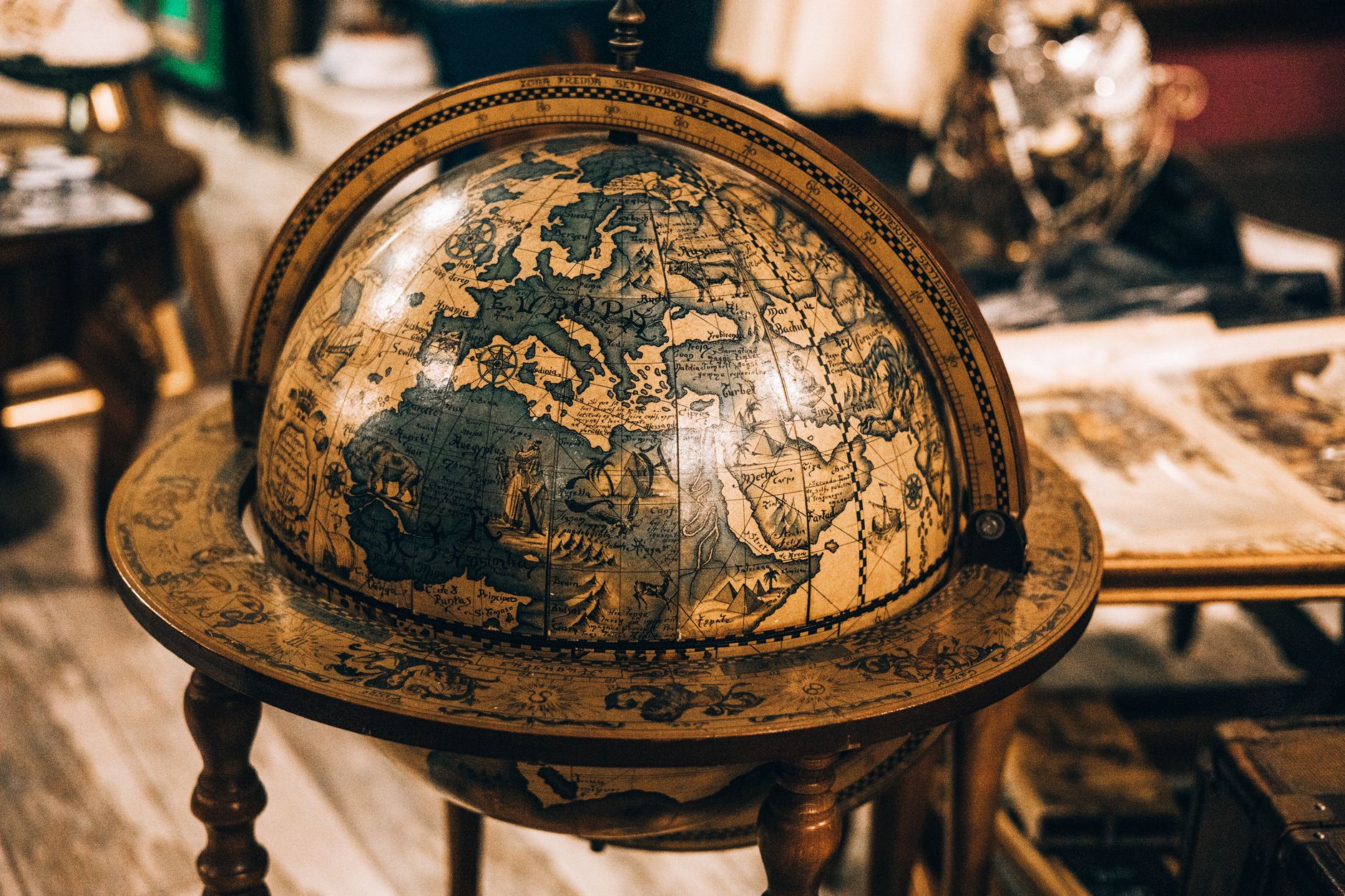
In the heart of Vienna, a city renowned for its rich cultural tapestry, lies an intriguingly specialised institution: the Globe Museum. Unlike any other museum on the planet, it is devoted entirely to globes. This unique establishment offers visitors a journey through time, illustrating humanity's evolving grasp of the world through spherical representations.
The museum's collection is nothing short of extraordinary. From ancient celestial globes to modern digital representations, each piece tells a story of its own. Visitors are often struck by the beauty and craftsmanship of these artefacts, each a testament to the era it represents. The globes, while geographically informative, also serve as cultural artefacts, reflecting the scientific understanding and philosophical beliefs of their time.
The Globe Museum does more than display geographical history; it provides a lens through which we can observe the broader cultural and scientific shifts that have shaped mankind's understanding of the world. As societies have developed, so too have their globes, becoming more accurate and detailed as knowledge expanded.
A Cultural and Scientific Odyssey
The museum's appeal lies not only in its collection but in its power to engage visitors in a broader dialogue about human history. By examining how globes have changed, one can trace the path of intellectual exploration and discovery. The museum effectively bridges the gap between past and present, connecting the dots between ancient navigation techniques and today's satellite technology.
Curator Dr. Hans Müller emphasises the museum's role in fostering a deeper understanding of our shared heritage. "Each globe is a snapshot of human curiosity and ingenuity," he explains. "They reveal much about the periods in which they were created, illustrating not just where we were, but how we thought about our place in the universe."
The Globe Museum is thus a beacon for those interested in the confluence of art, science, and history. It engages visitors intellectually and emotionally, prompting them to reflect on how humanity's view of the world has transformed and what that means for our future understanding.