Vijay Urges Centre to Release Education Funds Unconditionally
In a move that underscores the tension between state and central educational policies, Tamil Nadu Chief Minister C. Joseph Vijay has made an emphatic plea to the Centre, urging the release of ₹5,110 crore in pending education funds. His request is clear: no strings attached.
At the heart of this financial impasse lies the state’s reluctance to adhere to the National Education Policy and the contentious three-language formula, both of which have sparked considerable debate. While the Centre insists on these frameworks, Tamil Nadu has steadfastly maintained its preference for its own educational strategies, which it argues are more in tune with local needs and linguistic realities.
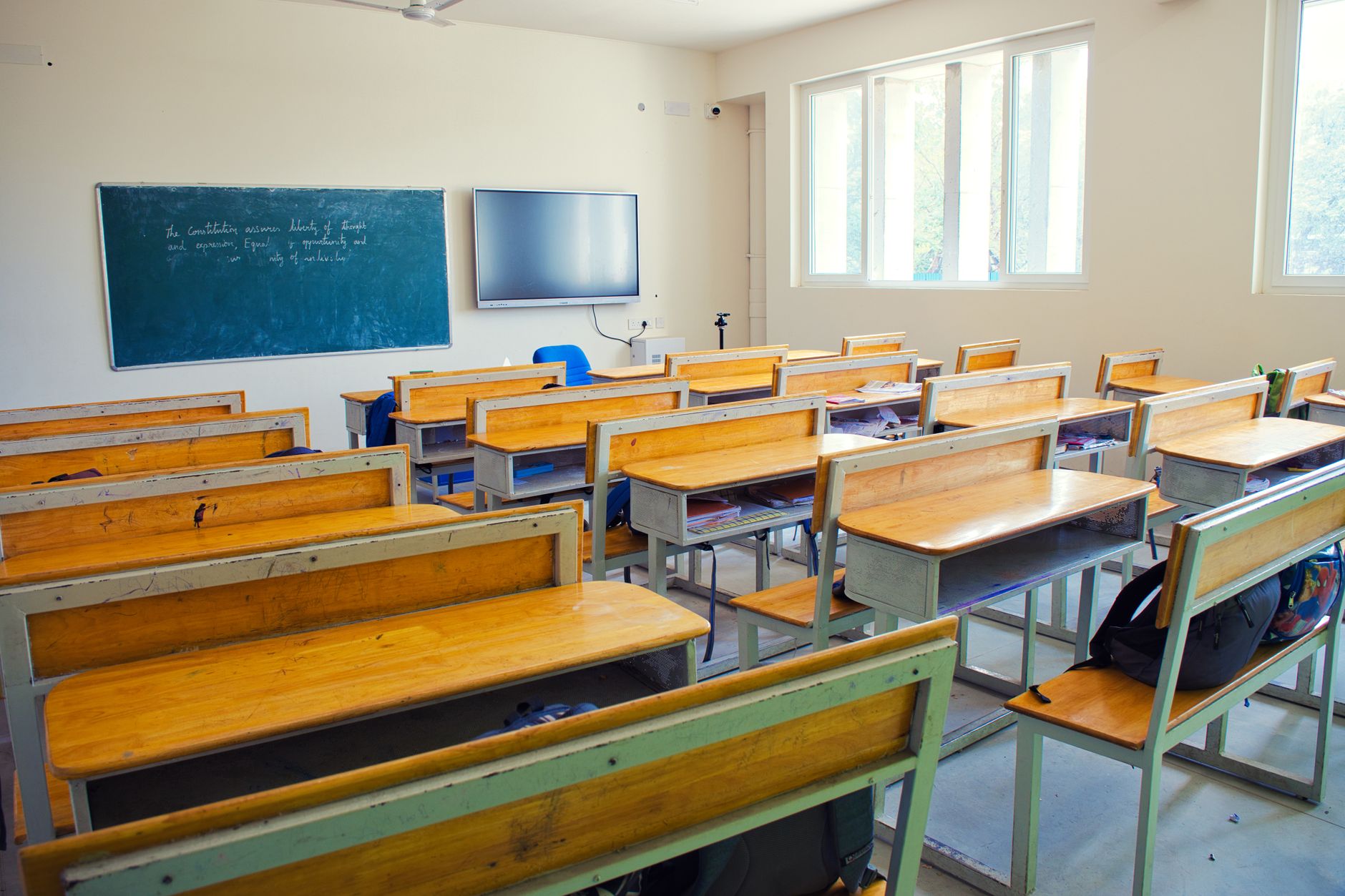
The financial request encompasses the Samagra Shiksha funds, a critical component for educational initiatives aimed at improving the quality of education across the state. These funds are vital for sustaining various educational programmes, from infrastructure development to teacher training and student scholarships.
Chief Minister Vijay's demand comes at a time when his administration is also grappling with other financial challenges, including pending dues for paddy procurement and subsidies. His recent visit to London may have secured investment commitments, but the educational sector at home continues to be in dire need of immediate financial infusions.
Observers note that the impasse over the funds is not merely an administrative hiccup but reflects a deeper ideological rift over educational governance in India. While the Centre views its policies as a cohesive national strategy, Tamil Nadu champions regional autonomy and cultural preservation.
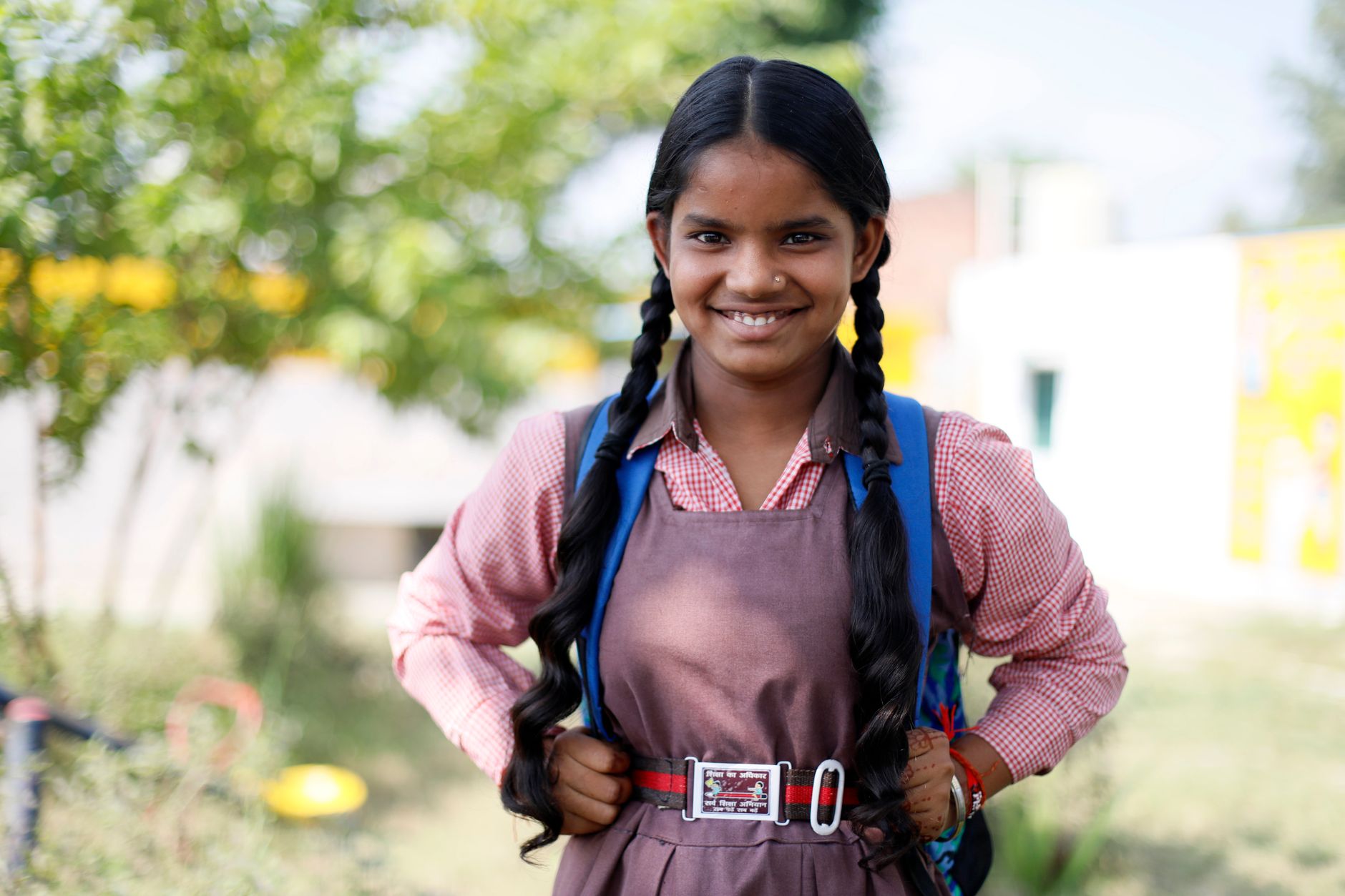
As the negotiations unfold, the educational prospects of countless students hang in the balance. For them, these funds represent more than just a financial transaction—they are a lifeline to quality education and a brighter future.