Virtual Protests: India's Youth Take Political Dissent Online
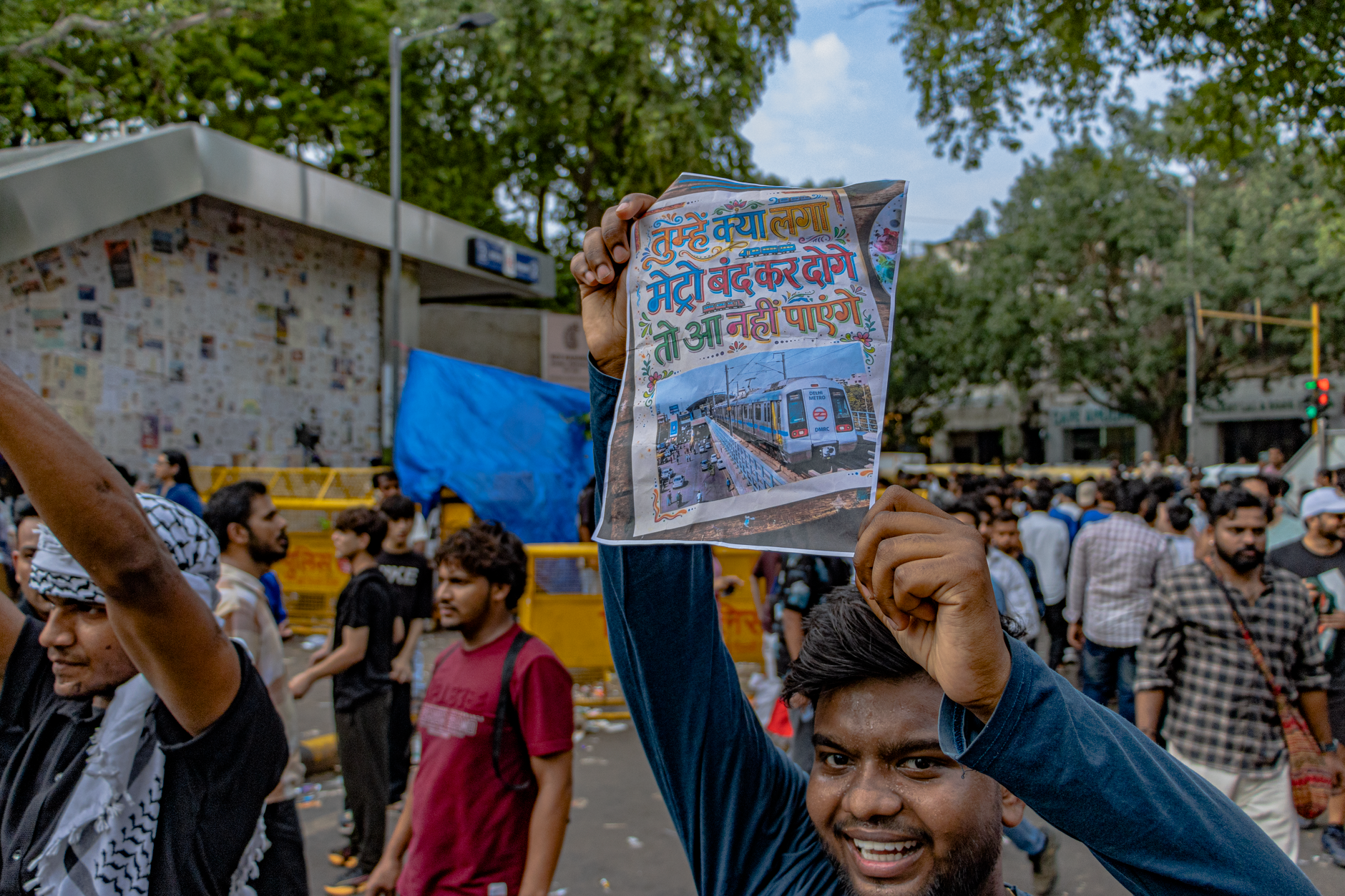
In a country where political expression often finds itself entangled with the law, young Indians are carving out new spaces online to voice their dissent. A multiplayer game named 'Jantar Mantar Chalo' has become the latest sensation, engaging users in a virtual protest journey through the streets of New Delhi.
In this digital escapade, players choose sides: either joining the ranks of protesters or donning the uniform of the Delhi Police. The objective? To navigate the chaotic streets filled with tear gas and water cannons, all in the pursuit of reaching Jantar Mantar, a historic site of dissent.
Political Satire in the Digital Age
Developed by 27-year-old tech enthusiast Arjun Mehta, the game reflects a burgeoning trend of using digital platforms to critique and satirise the political climate. Mehta's creation is more than just an entertainment product; it serves as a commentary on the current socio-political environment where young voices often feel marginalised.
The game comes at a time when youth-led protests are spreading across the country, fuelled by grievances over job shortages, exam paper leaks, and electoral roll controversies. 'Jantar Mantar Chalo' transforms these frustrations into a shareable digital experience, offering a sense of solidarity and humour amidst the chaos.
A Virtual Form of Protest
This form of online engagement is emblematic of a broader shift in how political activism is conducted in the digital era. As traditional avenues of protest face increasing scrutiny and restrictions, the internet provides a relatively open forum for expression, albeit one that comes with its own challenges of surveillance and censorship.
The popularity of the game underscores a growing disillusionment with conventional political discourse. By turning protests into a game, it allows players to experience the thrill and peril of activism without the real-world consequences, bridging a gap between digital and physical realms of dissent.
While some may dismiss the game as a mere diversion, its viral success points to a deeper yearning for change among India's youth. It highlights the innovative ways in which technology can be harnessed to amplify voices that might otherwise be silenced.