Volkswagen's Bold Alliance with Xpeng Fizzles in China
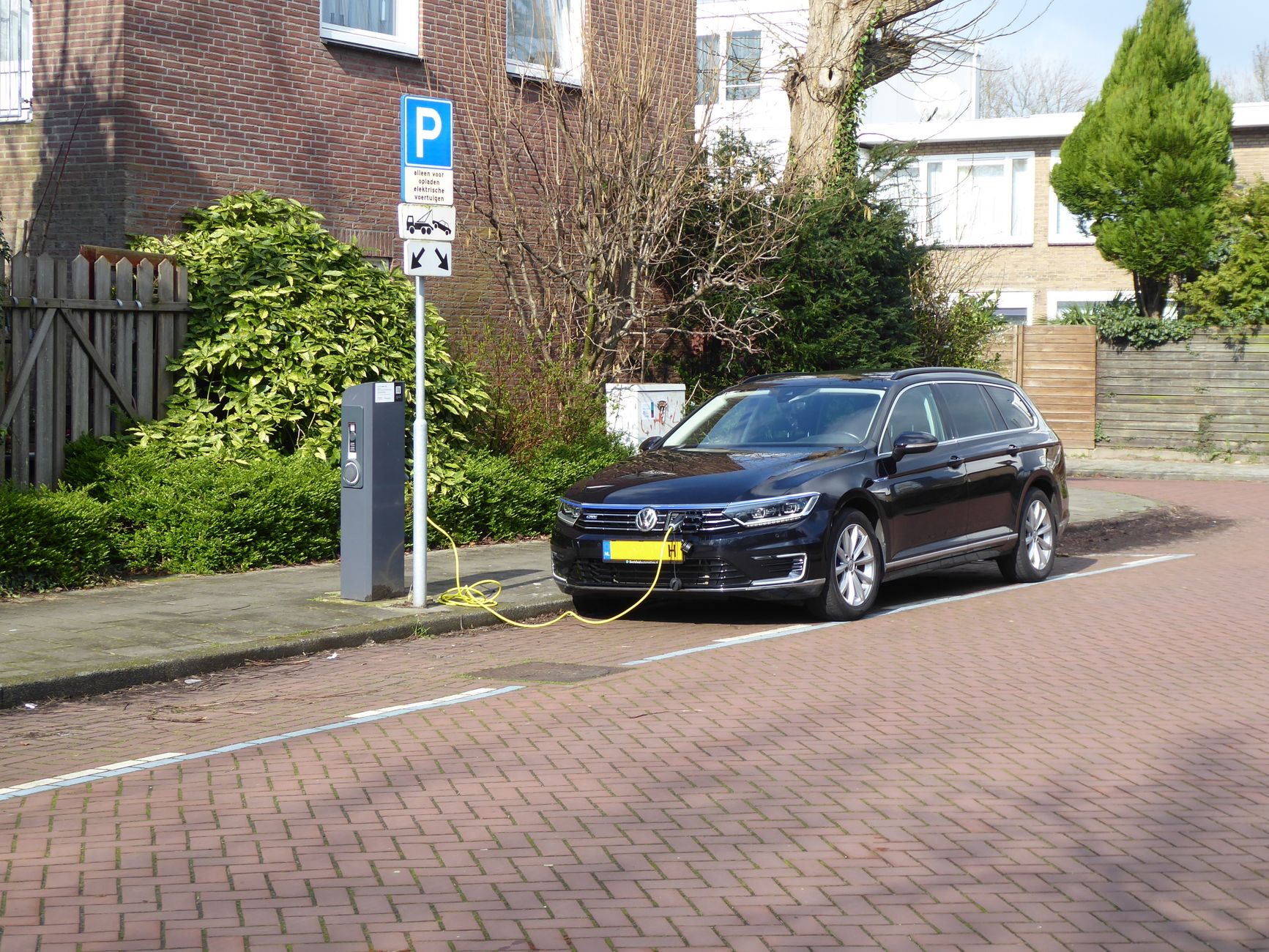
In 2023, Volkswagen's executives heralded their partnership with Xpeng as a daring foray into the electric vehicle market of China. The German automotive giant, grappling with a dwindling market share in the Middle Kingdom, saw the alliance as a lifeline. A $700 million investment for a 5% stake in Xpeng seemed a calculated bet to accelerate their electric ambitions and regain lost ground.
Fast forward a couple of years, and the road ahead appears fraught with challenges. Volkswagen's share in the Chinese market continues to slide, now at a modest 10%, according to the China Passenger Car Association. The ambition to develop cars tailored for the Chinese consumer, leveraging Xpeng's expertise in autonomous driving, has faced unforeseen roadblocks.
The Chinese Puzzle
China's automotive market, once dominated by foreign brands, has undergone a seismic shift. Local players, armed with superior technology and an innate understanding of consumer demands, now hold the reins. Volkswagen's attempt to pivot and partner with Xpeng was a strategic manoeuvre to counteract this trend. However, the execution has been less than flawless.
Xpeng's role in providing software, hardware, and even vehicle production did not translate into the rapid success Volkswagen had envisioned. The complexities of integrating two distinct corporate cultures and technological frameworks have proven more challenging than anticipated.
Lessons for the Future
This episode serves as a cautionary tale for other Western companies eyeing expansion in China. The landscape is not just competitive but requires a nuanced understanding of local dynamics. For Volkswagen, the partnership with Xpeng was a bold move, but it underscores the need for a more adaptive and flexible strategy.
As Volkswagen navigates these choppy waters, the stakes remain high. The company's dependence on the Chinese market means that any failure to adapt could have significant ramifications. The question now is whether Volkswagen can recalibrate its strategies to avoid being left behind in what is arguably the most important automotive market in the world.