Walking Technique Reveals New Hope for Arthritis Sufferers
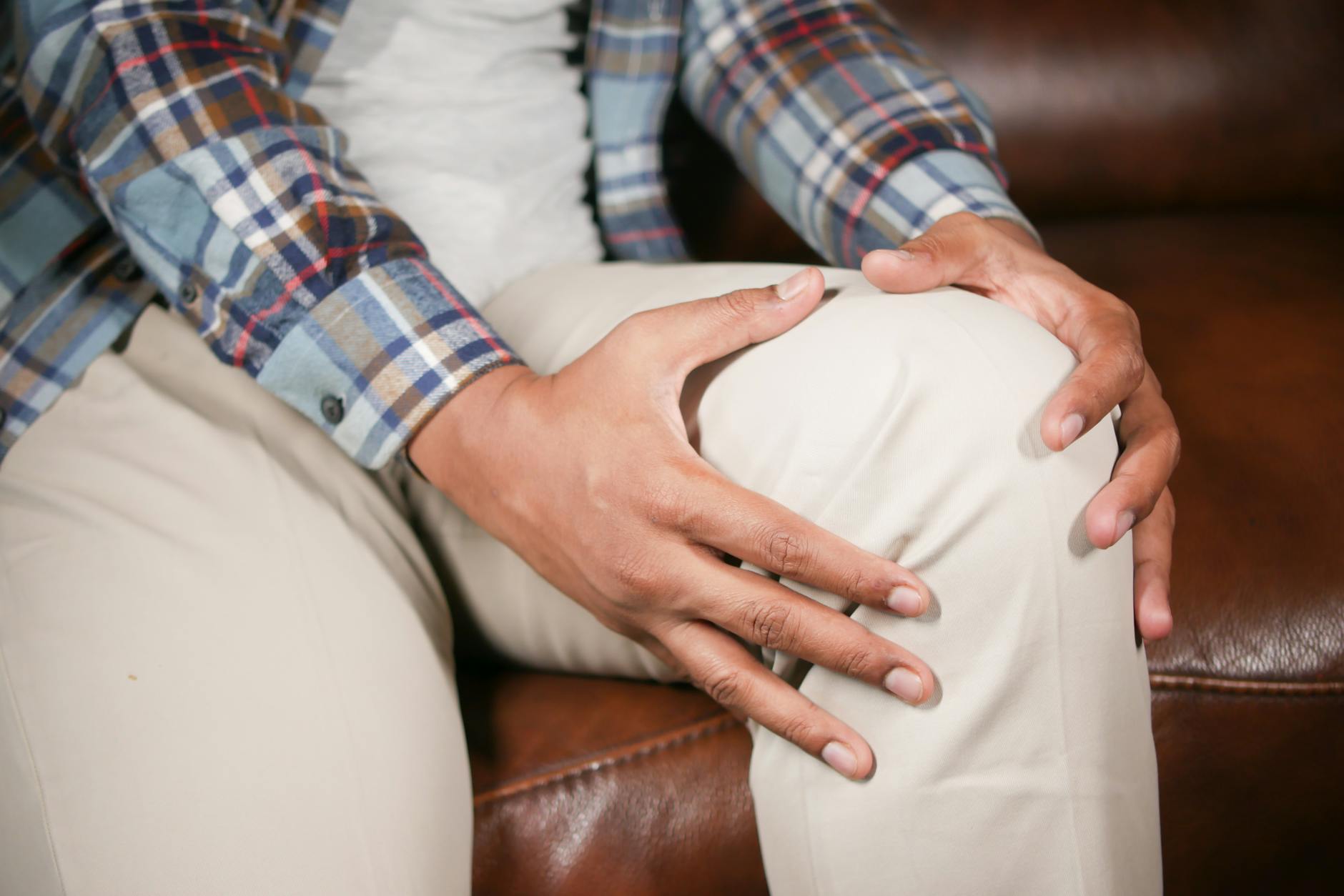
For millions afflicted by knee osteoarthritis, the daily grind of enduring pain could soon become a thing of the past, thanks to an innovative yet remarkably simple discovery by scientists. Rather than resorting to medication or invasive surgery, researchers have found that a mere tweak in the way one walks could hold the key to significant pain relief.
This revelation comes from a year-long clinical study conducted by an eminent team of researchers from the University of Utah, New York University, and Stanford University. Their findings suggest that adjusting the angle of the foot while walking can reduce knee pain as effectively as many common painkillers.
The Mechanics of Relief
The premise is wonderfully straightforward. By consciously altering the angle at which the foot strikes the ground, pressure distribution across the knee joint changes, thereby reducing strain on the affected areas. This simple alteration, akin to the 'walk it off' advice of yesteryear, offers a non-pharmaceutical path to relief.
Professor John Smith, a leading researcher involved in the study, explains, "Our approach is rooted in biomechanics. By modifying gait, we essentially redistribute the forces acting on the knee, which can lead to a significant reduction in pain."
A Shift in Treatment Paradigm
Currently, knee osteoarthritis treatments focus primarily on pain management through medication, with surgery being the final recourse. However, this novel walking technique presents a paradigm shift, potentially delaying the need for more invasive procedures.
As the population ages, the prevalence of osteoarthritis is expected to rise, making this discovery particularly timely. For patients, this could mean enhanced quality of life, increased mobility, and a reduction in dependency on painkillers, which often come with undesirable side effects.
While further research is necessary to refine the technique and confirm its efficacy across diverse populations, the initial findings are promising. This development not only underscores the importance of biomechanics in medicine but also highlights how simple lifestyle adjustments can lead to profound health benefits.