Was NISAR Satellite Asleep During Nepal's Flood Crisis?
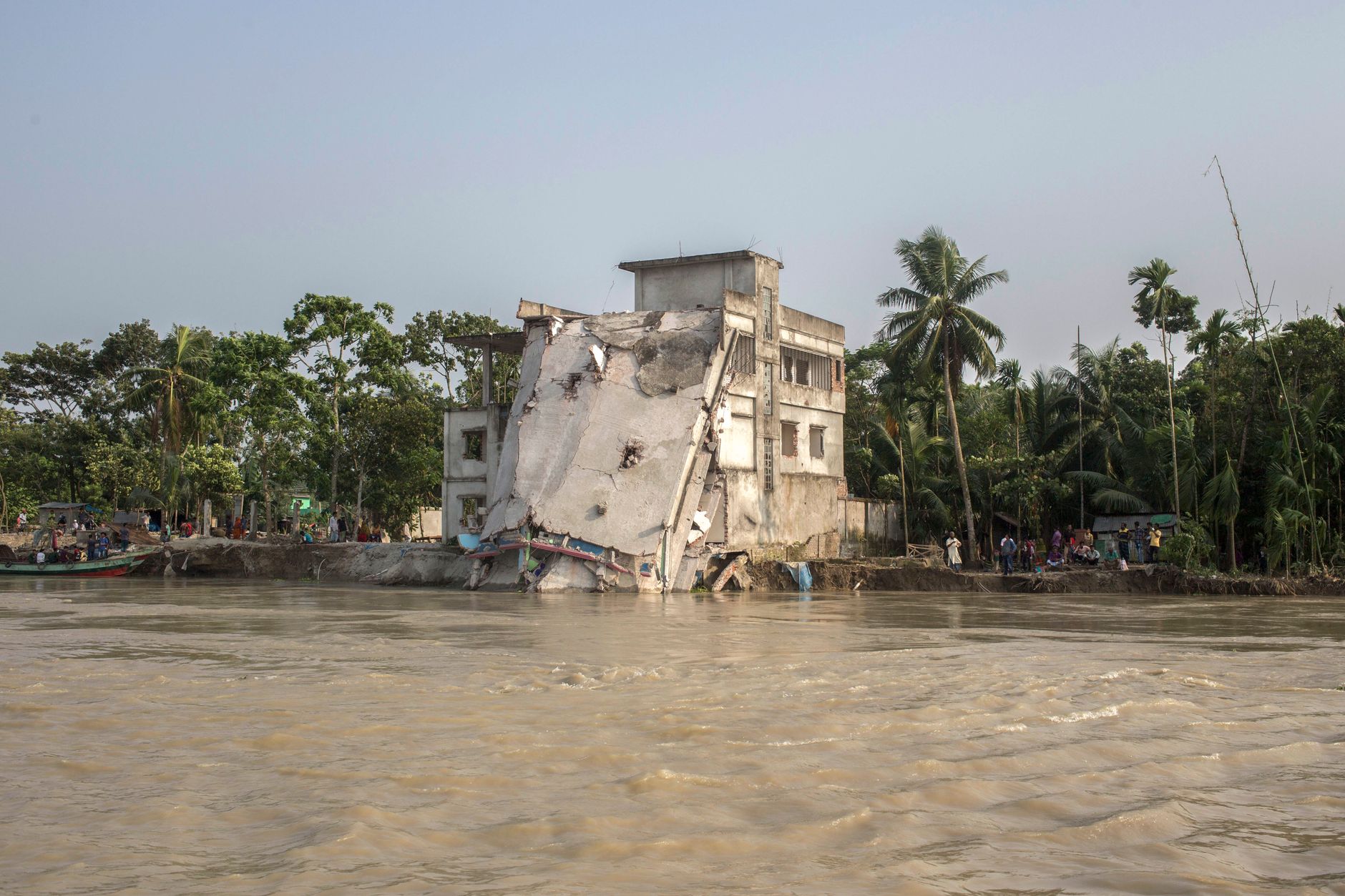
The serene landscape of the Nepal-Tibet border has been turned into a nightmare. A deadly wall of water engulfed villages, leaving rescuers to wade through thick, treacherous mud in a frantic search for the missing. As the death toll climbs to over 734 with nearly 2,500 people unaccounted for, including about 100 Americans, one can't help but wonder: where was the NISAR satellite?
Touted as the world's most expensive civilian earth imaging satellite, NISAR was expected to play a pivotal role during such crises. However, its lack of actionable data during this catastrophe raises eyebrows and questions about its operational efficacy. The satellite, a collaboration between NASA and ISRO, was supposed to monitor and provide vital information on earth's processes, especially during natural disasters.
Amidst this chaos, Aashna Ahuja, whose parents are missing, clings to hope. She recounts their last known whereabouts with palpable anguish, a sentiment mirrored by many in the region. 'It's the uncertainty that's the worst,' she tells NDTV. 'We need all the help we can get.'
Technology's Shortcomings
In the technology-driven age we live in, reliance on advanced tools like NISAR is not just expected but necessary. Yet, the satellite's apparent absence in providing real-time data has left many questioning its reliability. Experts argue that while technological advancements are significant, they must be matched with practical responsiveness to be truly effective.
Rescuers, including international teams, continue to battle the elements, their efforts hampered by the unrelenting threat of further floods. Kerry-based explorer Pat Falvey described the scene as 'apocalyptic', underscoring the scale of the disaster. The region's sacred Mount Kailash, a beacon for Hindus and Buddhists, now looms over a landscape of despair.
Future Implications
The NISAR satellite's failure to provide critical data during this crisis invites a broader discussion on disaster preparedness and the role of technology. Policymakers and scientists must reassess the deployment and utility of such expensive tools. As climate change continues to exacerbate natural calamities, efficient and reliable monitoring systems are not just desirable but essential.
For now, families like the Ahujas wait in hope and uncertainty, as the world watches and questions the reliability of its most advanced 'eye in the sky'.