Wayanad Landslides: A Wake-Up Call for India's Environmental Policies
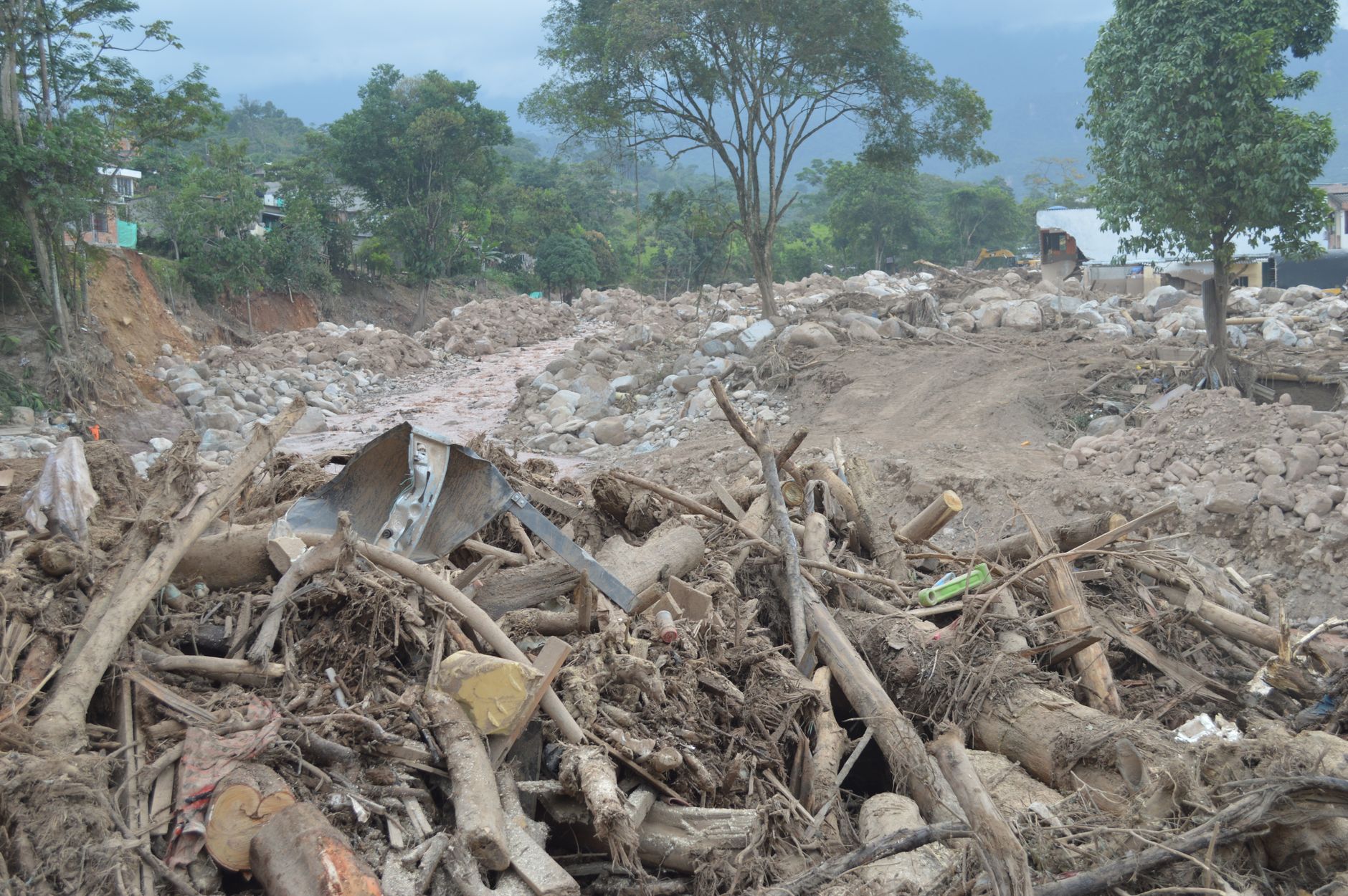
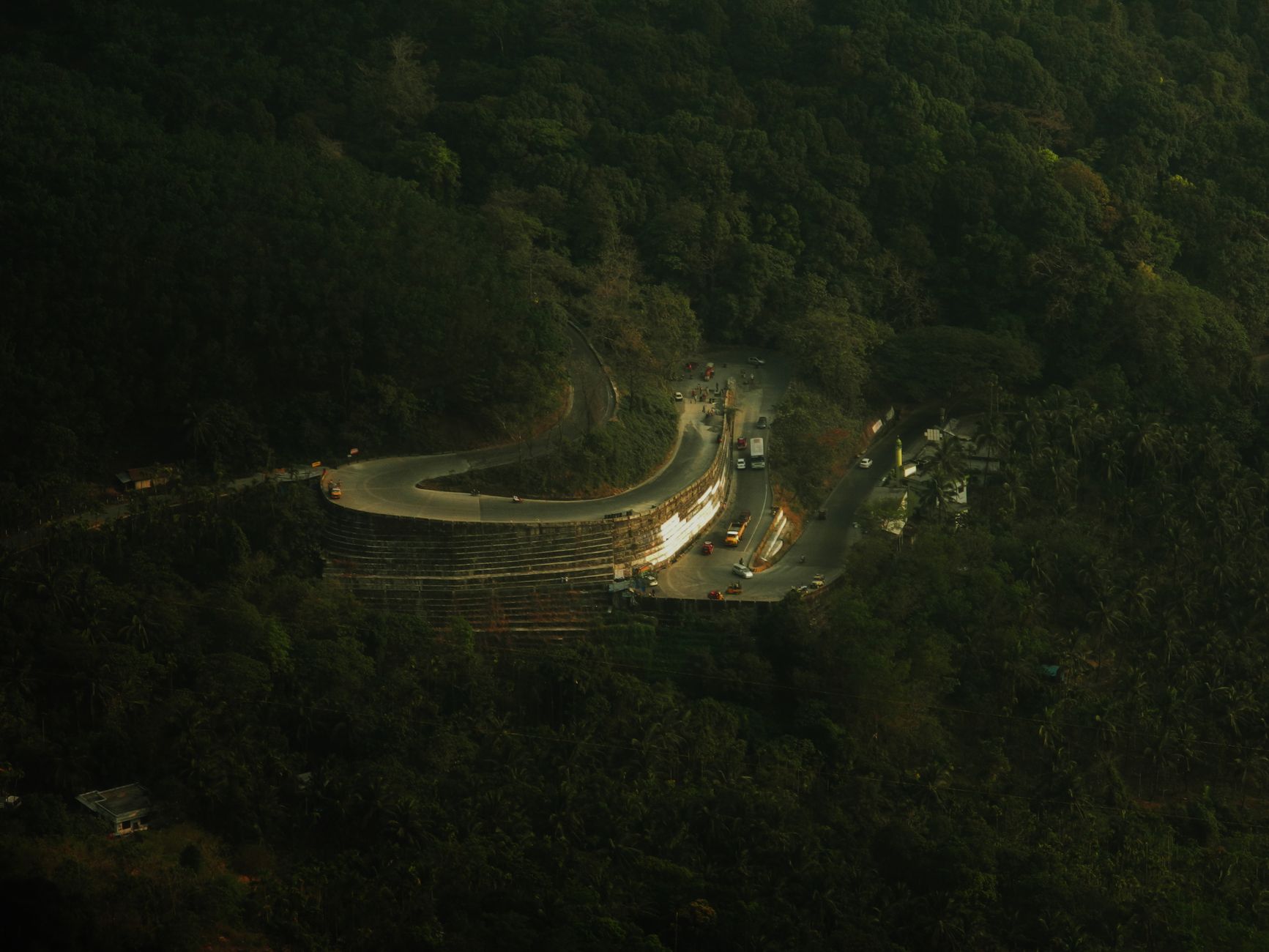
The picturesque hills of Wayanad, draped in verdant green and teeming with biodiversity, have long been a symbol of Kerala's natural splendour. Yet, the recent landslides that tore through this idyllic landscape serve as a grim reminder of the ecological perils posed by climate change.
Nestled in the Western Ghats, Wayanad is no stranger to heavy rains. However, the increasing frequency and intensity of such events underscore a worrying trend. The torrential downpours that precipitated the landslides are symptomatic of changing precipitation patterns driven by global warming.
The catastrophic events have claimed over 250 lives, leaving a trail of devastation and prompting urgent calls for reform in India's Environmental Impact Assessment (EIA) framework. There is a growing consensus among experts that climate considerations must become an integral part of EIA processes. This means going beyond traditional checks and factoring in how future changes in climate variables such as rainfall and temperature could alter environmental impacts.
Integrating Climate into Policy
India's EIA framework, which guides the assessment of developmental projects, has often been criticised for its lack of emphasis on long-term climate risks. The Wayanad disaster, therefore, acts as a clarion call to incorporate comprehensive climate-proofing measures. The idea is not just to assess the immediate environmental impact but to anticipate future scenarios, thus making policies more resilient.
Multi-hazard early warning systems have also been highlighted as crucial tools in this regard. These systems can provide real-time analysis of potential disasters, enabling timely interventions and potentially saving lives.
A National Imperative
As India continues to grapple with the realities of climate change, the need for robust environmental policies has never been more critical. The lessons from Wayanad should propel both state and national bodies to prioritise climate considerations in policy-making. Only then can the nation hope to shield its natural bounty and its people from the ravages of an unpredictable climate.