Wayanad's Landslides: A Call to Rethink India's Environmental Policy
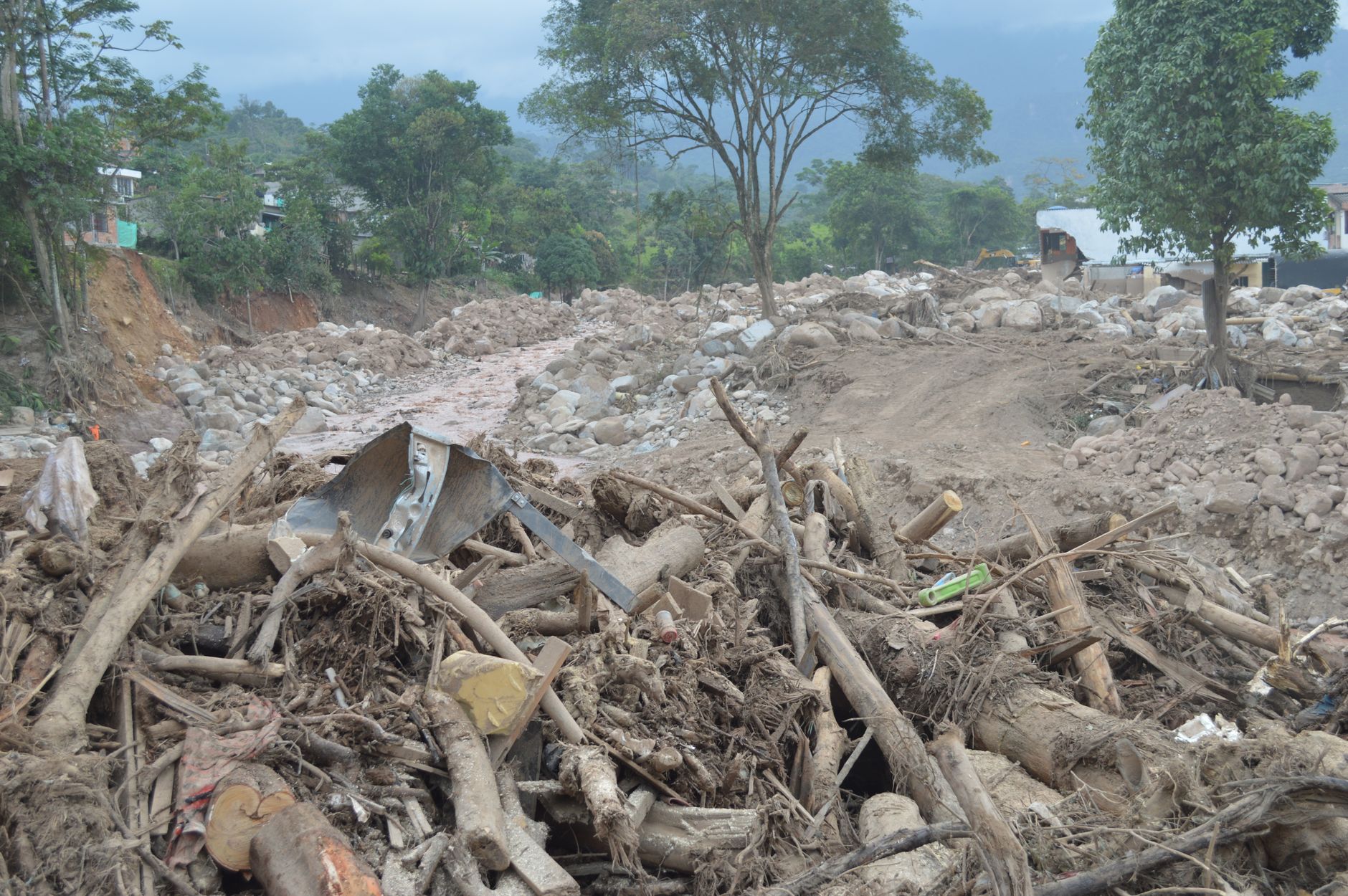
As the monsoon clouds gathered ominously over the lush hills of Wayanad, few foresaw the calamity that would soon unfold. The resultant landslides have not only claimed lives but also laid bare the vulnerabilities of India's current approach to environmental assessment and development.
The tragedy in Wayanad is not an isolated incident. It is, rather, a symptom of a larger malaise — the perilous dance between rapid development and ecological oversight. The fragile ecology of regions like Wayanad is being pushed to the brink, courtesy of unscientific construction practices and policies that often prioritise short-term economic gains over long-term sustainability.
Echoes of a Warning
Wayanad's landslides are a cautionary tale for the entire nation. In the aftermath, experts from across the country, including those in ecologically sensitive Goa, have intensified their calls for stringent environmental regulations. They argue that the current Environmental Impact Assessment (EIA) framework, though pivotal, is in dire need of reform.
India's EIA regime, established to mitigate environmental damage from developmental projects, has often been criticised for its lack of robustness and enforcement. As global environmental degradation accelerates, there is an urgent need to bolster this framework, drawing lessons from international best practices.
Strengthening the Foundations
Strengthening the EIA isn't just about regulatory tightening. It involves a paradigm shift towards genuinely integrating ecological considerations into the planning and execution of development projects. This includes ensuring comprehensive assessments, involving local communities in decision-making, and holding developers accountable for ecological damage.
The National Green Tribunal's involvement in past cases, such as the 2018 citizens' appeal for halting work without an EIA, underscores the growing public awareness and demand for accountability. However, institutional inertia remains a significant hurdle.
Ultimately, the lessons from Wayanad should serve as a catalyst for change. By embracing sustainable development practices, India can protect its natural heritage while fostering economic growth. The choice is clear: either heed these warnings or prepare for more such tragedies.