Wayanad's Wake-Up Call: Rethinking India's Environmental Assessments
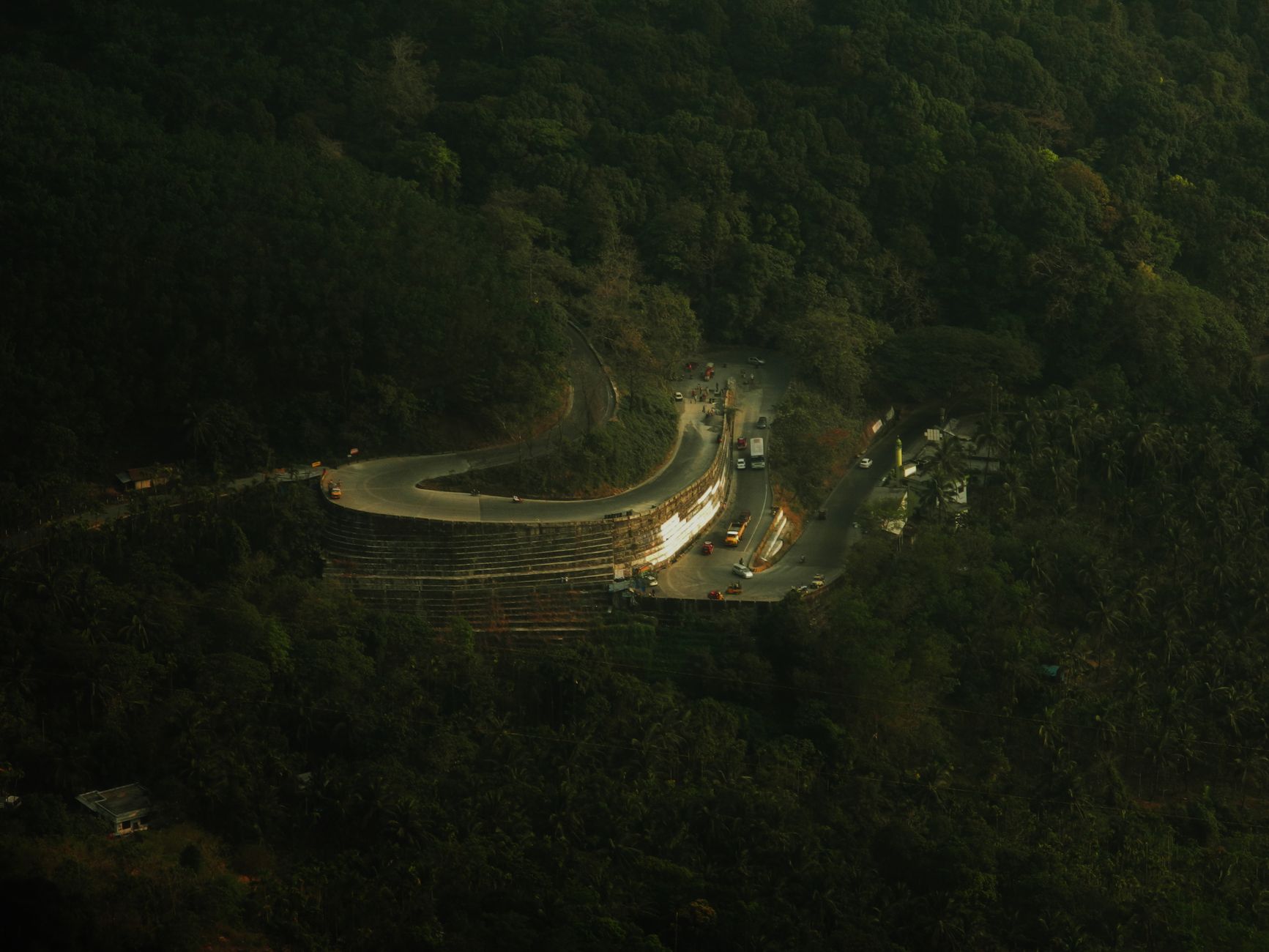
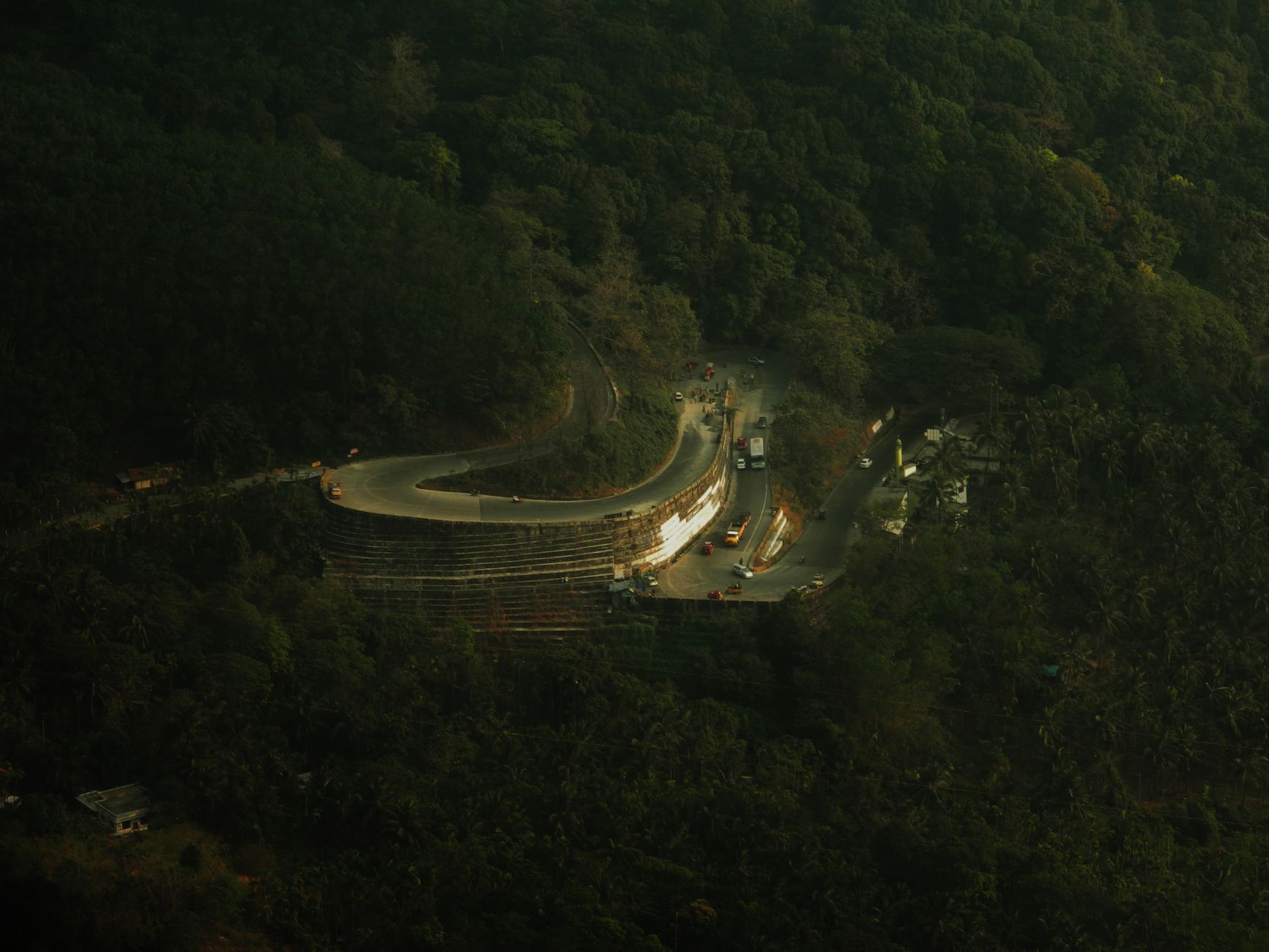
The lush landscapes of Wayanad, often hailed as Kerala's emerald haven, now bear the brunt of nature's fury. As the India Meteorological Department issues heavy rainfall warnings, the district finds itself under an 'orange' alert, a chilling reminder of the devastating landslides that claimed lives not long ago. The heart of the matter lies in a sobering truth: nature's patience is finite.
Wayanad's plight is not an isolated incident but a symptom of a larger malaise affecting India's Environmental Impact Assessment (EIA) framework. As climate change intensifies, bringing with it unpredictable weather patterns, the need for a robust EIA regime becomes ever more pressing. The tragedy in Wayanad serves as a stark reminder of the dire consequences of neglecting ecological warnings and the urgent need for reform.
In the aftermath of the landslides, environmental experts have amplified calls for a comprehensive overhaul of India's EIA systems. The current framework is often criticised for its lack of rigour and transparency, with many projects receiving clearance without thorough scrutiny. This laxity, as seen in Wayanad, can have catastrophic consequences.
Lessons can be drawn from countries that have successfully integrated stringent environmental assessments into their development protocols. Nations such as Norway and Canada have established robust EIAs that incorporate climate resilience into planning processes. These systems not only assess the environmental consequences of proposed projects but also mandate adaptive measures to mitigate potential impacts.
For India, adopting such best practices is not merely an option but an imperative. The Western Ghats, where Wayanad is nestled, is a UNESCO World Heritage site and one of the world's eight 'hottest hotspots' of biological diversity. Its preservation is critical, not only for its unique flora and fauna but also for the millions who rely on its resources.
Ultimately, Wayanad's warning is a call to action. The balance between development and environmental stewardship is delicate, but achievable. Strengthening India's EIA framework is a necessary step towards safeguarding its natural heritage and ensuring the safety and well-being of its communities.