West Bengal By-elections: A New Test for Opposition Unity
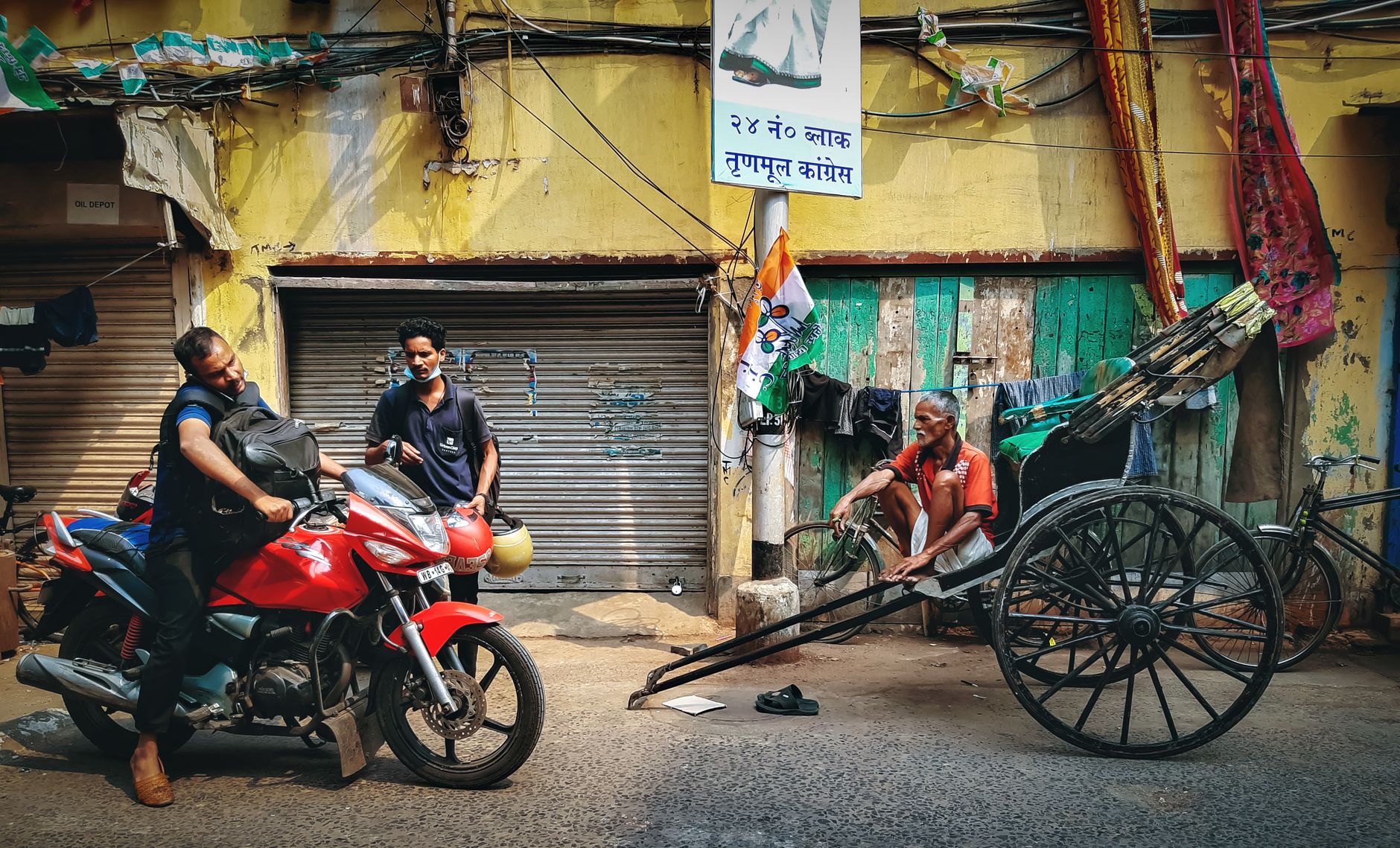
The by-elections in West Bengal have unfolded as a vivid tableau of the state’s complex political landscape. While the Trinamool Congress (TMC) celebrated a comprehensive victory in the recent polls, the challenges for opposition parties in the state remain palpable.
Chief Minister Suvendu Adhikari's decision to retain Bhabanipur after winning in the 2026 Assembly elections necessitated the bypolls. This situation presented a unique opportunity for opposition parties to assert themselves. However, the outcome was anything but favourable for them. The TMC's clean sweep across the four contested seats underscored its entrenched dominance in the state.
Opposition's Struggles
The opposition's predicament was highlighted by the split within the Trinamool Congress factions, notably in Nandigram and Rejinagar, where their failure to unite and consolidate votes was starkly evident. The inability to bridge the divide between their image and organisational strength cost them dearly, particularly in areas with significant Muslim populations.
The BJP, struggling to make inroads in a state that has largely resisted its advances, finds itself contemplating its strategy. The byelections have added another layer of complexity to an already challenging political environment for the party.
A Call for Recalibration
The results from these by-elections serve as a clarion call for opposition forces in West Bengal. If they are to challenge the TMC's dominance effectively, a strategic recalibration is imperative. This involves not only consolidating votes but also presenting a cohesive alternative that resonates with the electorate.
For now, the TMC, buoyed by its recent victories, continues to tighten its grip on West Bengal's political landscape. The opposition, meanwhile, faces the daunting task of regrouping and redefining its approach if it hopes to make any substantial gains in future electoral battles.