West Bengal Pursues Green Tourism with Forest Protection Focus
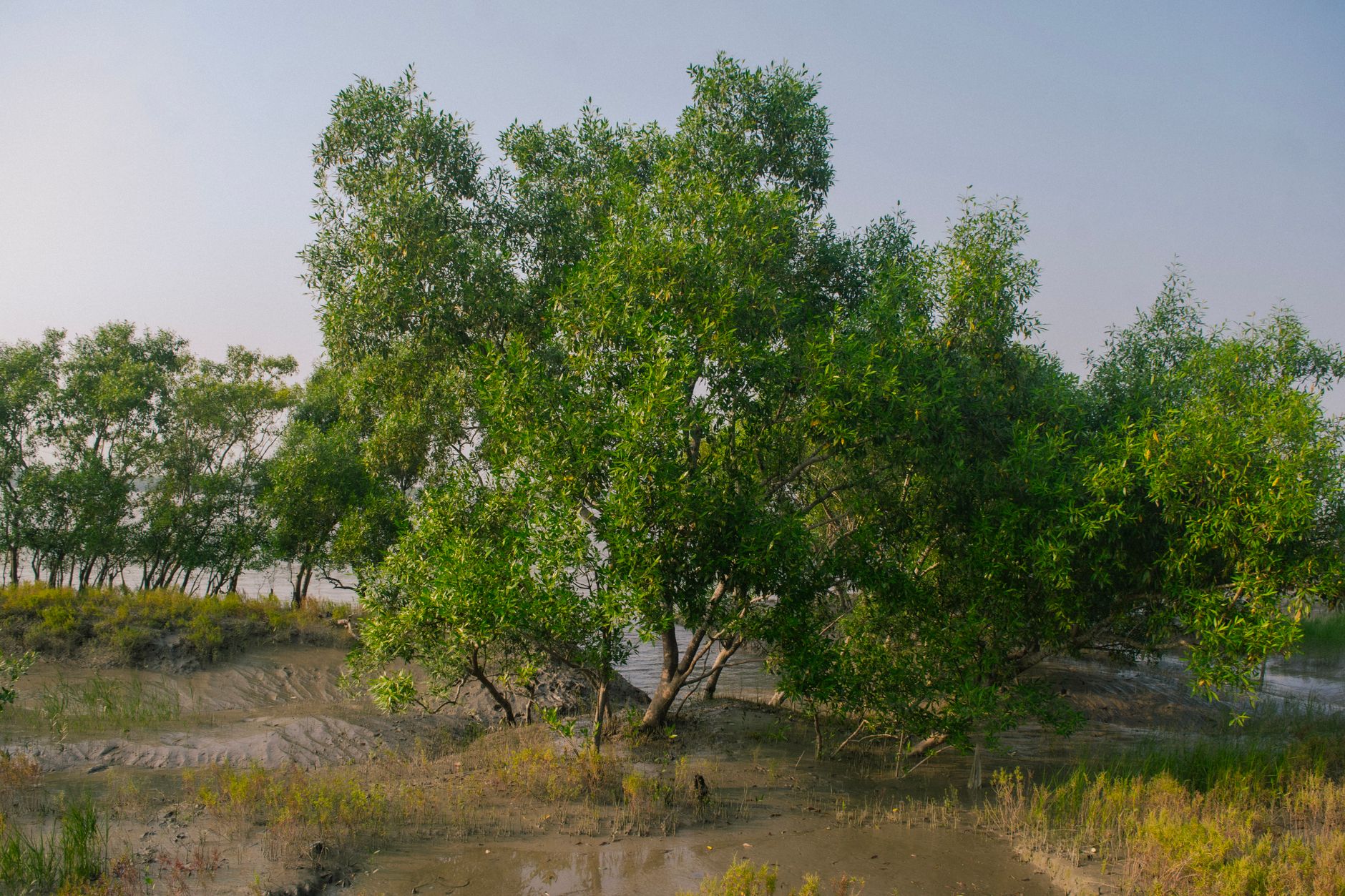
In a move that seeks to marry the economic potential of tourism with the ecological necessity of conservation, West Bengal is setting its sights on a new green tourism initiative. The state government has announced plans to develop a heritage religious tourism circuit at Garh Jungle in the West Burdwan district, taking inspiration from the celebrated Kashi Vishwanath Temple circuit.
The initiative is part of a broader strategy focusing on integrated forest protection, spearheaded by a former head of Bengal's forest force. This strategy is particularly poignant given the ecological significance of the Sundarbans Tiger Reserve (STR), one of the inaugural tiger reserves established under Project Tiger in 1973. The STR, covering over 2,500 square kilometres, represents a critical habitat for the majestic Bengal tiger.
Aligning Tourism with Conservation
The proposed tourism circuit at Garh Jungle is more than just an economic venture; it is a testament to West Bengal's commitment to sustainable development. By promoting eco-tourism, the state aims to reduce the anthropogenic pressures on its rich biodiversity, while simultaneously enhancing community livelihoods.
Ministerial efforts have concentrated on an integrated approach that not only prioritises the protection of the forest cover but also includes local communities as stakeholders in the tourism enterprise. This is seen as a vital step towards ensuring the long-term sustainability of both the environment and the local economy.
Challenges and Opportunities
However, the path to achieving this green utopia is fraught with challenges. Poaching, illegal logging, and climate change-induced threats to wildlife habitats are persistent obstacles. To counter these, the integrated strategy envisages enhanced patrolling, community engagement programmes, and the utilisation of technology for real-time monitoring.
The state's commitment to preserving its natural heritage while capitalising on its tourism potential underscores a pragmatic approach to development. If successful, it could serve as a model for similar initiatives across India, blending heritage, tourism, and conservation in a harmonious trinity.
As Bengal navigates this ambitious path, the eyes of environmentalists and economists alike are fixed on its progress, hoping for a future where economic aspirations and ecological realities coexist in equilibrium.