West Bengal's Bold Move: Liquor Ban and ₹5 Meals
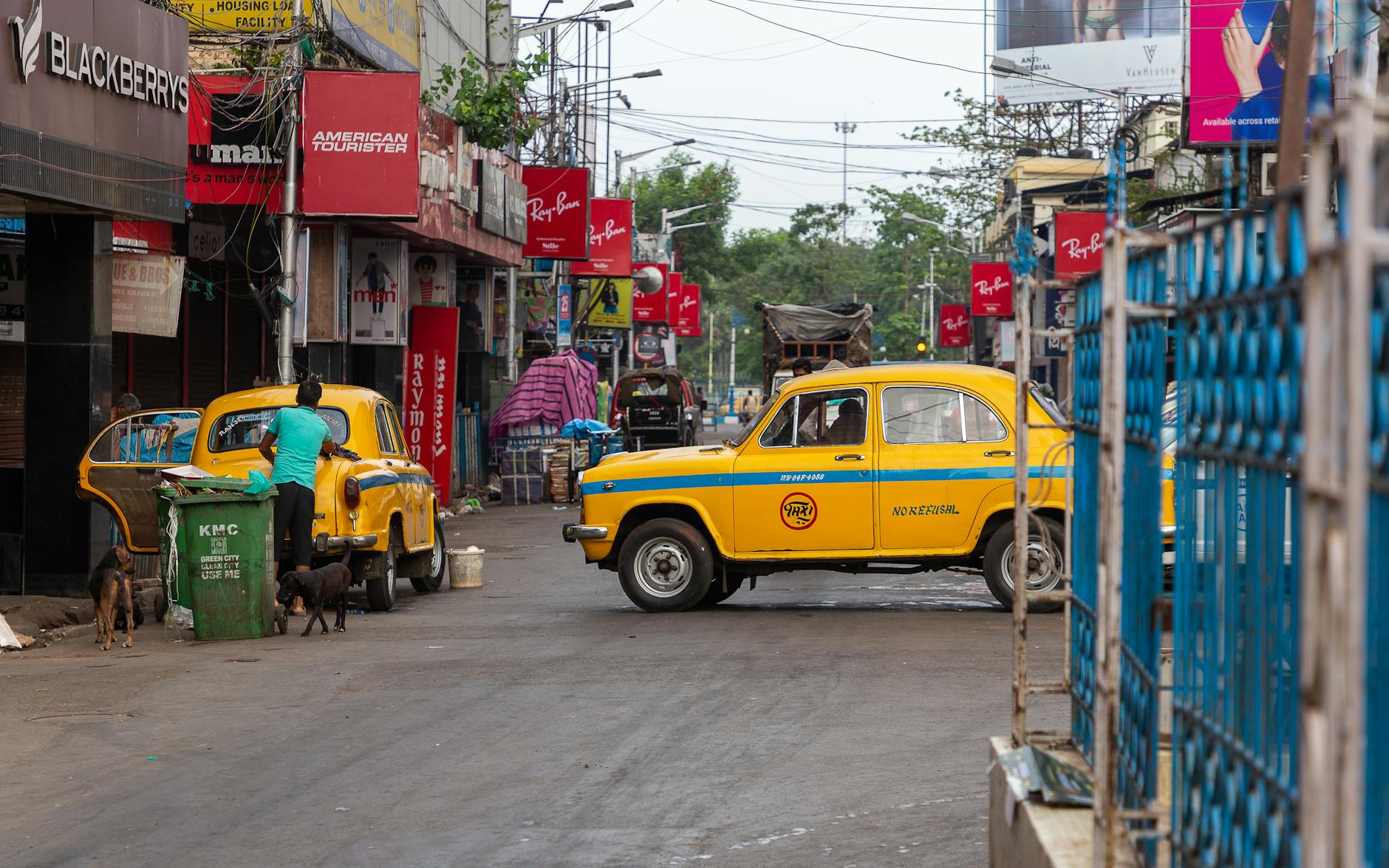
The bustling streets of West Bengal are set to witness a transformation as Chief Minister Suvendu Adhikari unveils a dual-pronged policy aimed at preserving the state’s cultural ethos while addressing economic concerns. In a move that resonates with religious and educational sentiments, the state government has imposed a 1 km exclusion zone for liquor shops around temples and educational institutions.
This decision, announced during a public gathering, underscores an effort to maintain sanctity around places of worship and learning. The rationale is clear: to protect these spaces from the influences of alcohol consumption, thereby promoting a healthier environment for devotees and students alike.
Affordable Meals for the Masses
In tandem with the liquor ban, Adhikari has introduced a scheme to provide affordable meals to the public. Beginning soon, 400 canteens across the state will serve maach-bhaat, a staple Bengali dish of fish and rice, for a mere ₹5. This initiative, part of the Annapurna Bhandar scheme, aims to ensure that nutritious meals are within reach for all, particularly the economically disadvantaged.
The canteens will offer these meals twice a week, providing the masses with a taste of home-cooked comfort at a fraction of the usual cost. This move is not only a nod to the cultural importance of maach-bhaat but also a strategic step towards food security in the state.
A Strategic Cultural and Economic Initiative
Both measures reflect a broader strategy to balance cultural preservation with economic welfare. By restricting liquor access near temples and schools, the government aligns with societal values that prioritise education and spiritual well-being. Simultaneously, the subsidised meals programme addresses hunger and malnutrition, concerns that have been exacerbated by economic pressures.
Critics, however, may argue that such restrictions could impact the livelihoods of those dependent on the liquor trade. Yet, the government seems poised to navigate these complexities by focusing on the greater good. As the state moves forward, the success of these initiatives will likely depend on their execution and the public’s response to these calculated changes.