West Bengal's Education Reforms: New Policies, Old Problems Persist
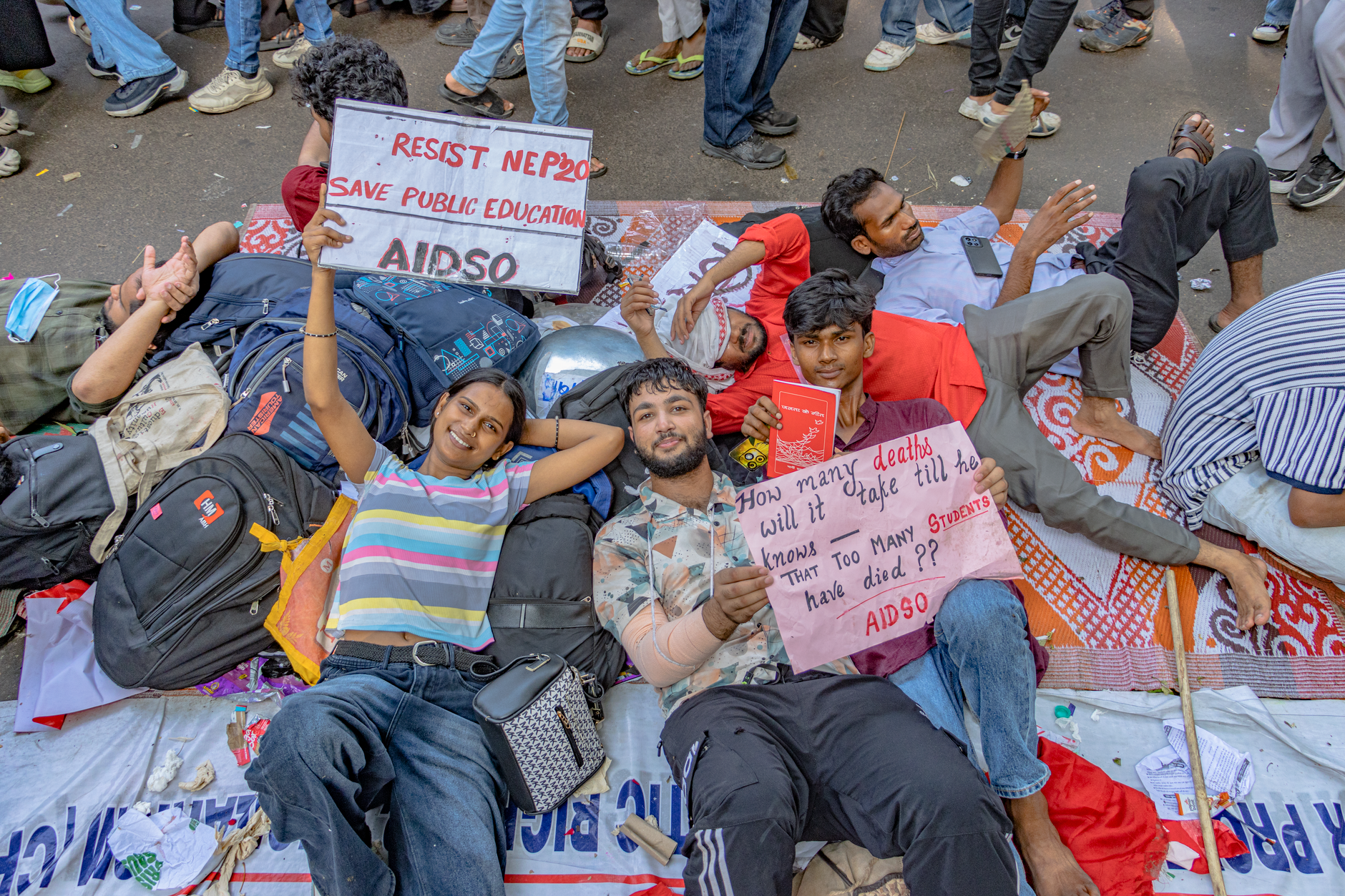
The ink has barely dried on West Bengal's decision to embrace the National Education Policy (NEP) 2020 and the Pradhan Mantri Schools for Rising India (PM SHRI) scheme. This move, long resisted, now promises to channel much-needed central funds to nearly 80,000 schools across the state. Yet, as funds flow, so does a familiar sense of unease.
Despite the promise of reform, whispers of corruption and extortion cast a long shadow. Recent reports suggest that the new administration may be mirroring the malpractices of its predecessor, with local BJP leaders allegedly engaging in extortion. Such claims, coupled with the state's historically uneven implementation of policies, raise concerns about the true beneficiaries of these initiatives.
Policy Meets Reality
The adoption of NEP 2020 is not merely a policy shift; it is a political manoeuvre laden with implications. For years, West Bengal stood as a bastion of resistance against central educational reforms. The recent volte-face is, therefore, significant. However, the change in policy has not automatically translated into reform in practice. The state's educational landscape remains fraught with challenges, from infrastructural deficits to administrative inefficiencies.
The West Bengal School Service Commission (WBSSC), established to streamline recruitment in state-aided schools, exemplifies this dichotomy. While its existence is meant to ensure transparency and efficiency, it has frequently been embroiled in allegations of nepotism and corruption.
The Road Ahead
As central funds begin to trickle in, the spotlight turns to the state's ability to utilise these resources effectively. The pressing question remains: can the new government overcome entrenched corruption and deliver on its educational promises? The stakes are high, not just for the administration, but for the future of countless students whose education hangs in the balance.
In conclusion, while the adoption of NEP 2020 heralds a new chapter, the persistence of old ills suggests that real change will require more than policy shifts. It demands a cultural shift in governance, one that prioritises integrity and accountability over political expediency.