Westminster Debates Ban on Smart Glasses Amidst Political Row
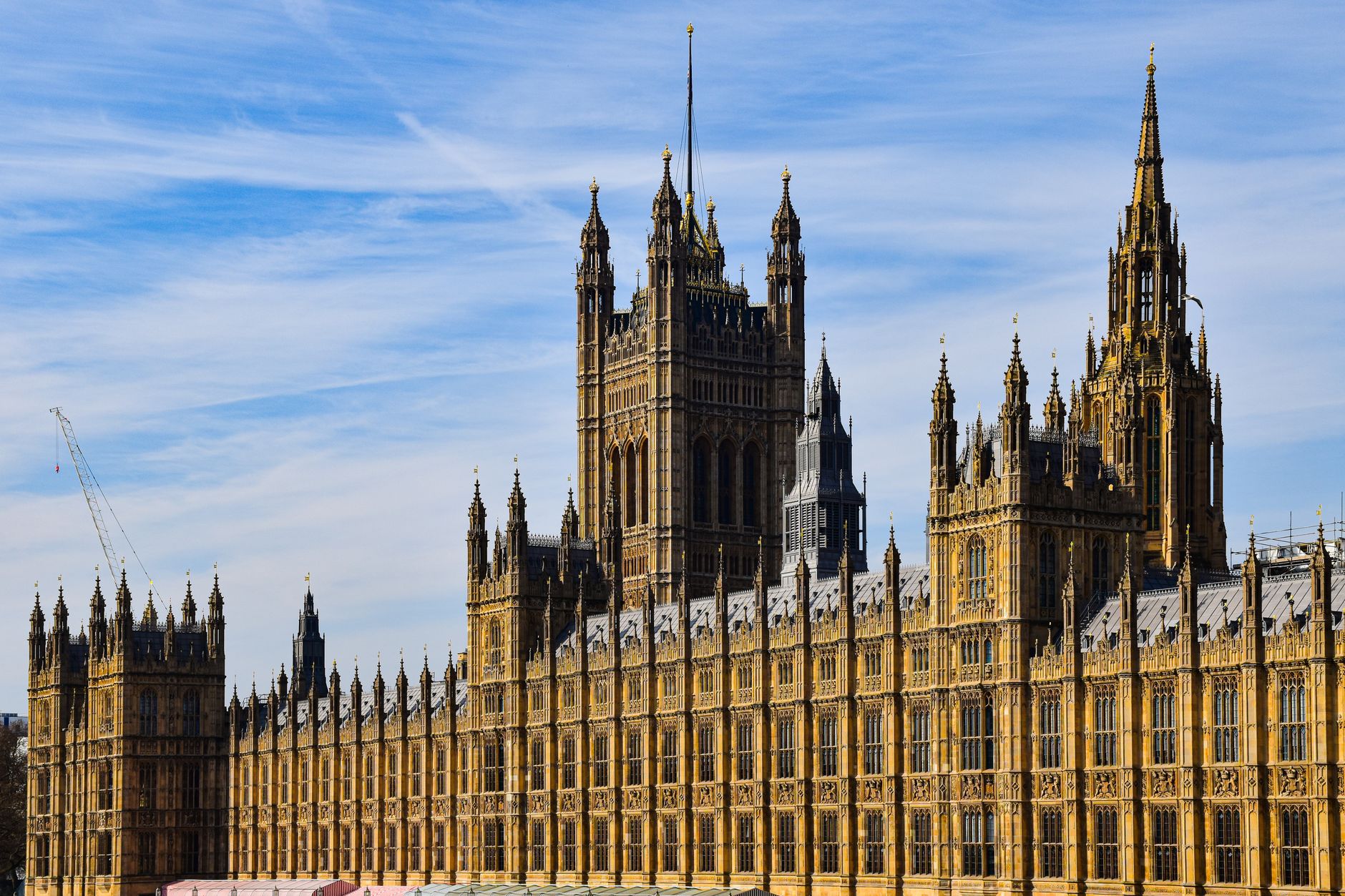
When Reform UK politician, David O'Connell, stepped into the House of Commons donning a pair of sleek smart glasses, few anticipated the ripple effect it would cause. The glasses, doubling as a teleprompter, have sparked a heated debate over the use of such technology in Westminster, with calls mounting for an outright ban.
Technology or Trickery?
The use of digital devices is not unfamiliar to the parliamentary arena. Tablets and phones are frequently seen, aiding politicians in delivering speeches and referencing notes. Yet, the introduction of smart glasses, which project text onto lenses, has prompted concerns. Critics argue that they offer an unfair advantage, allowing for a seamless delivery that might mask a lack of substance.
"It's like having an earpiece feeding you lines," remarked one MP, questioning the authenticity of debates where technology plays an unseen role. The fear is that smart glasses could erode the integrity of parliamentary discourse, transforming it into a polished performance rather than a genuine exchange of ideas.
The Changing Face of Westminster
Proponents of the technology, however, see it as a logical progression. "We've been using digital aids for years," said a spokesperson for Reform UK. "Smart glasses are merely the next step." They argue that as society becomes increasingly tech-savvy, so too must its institutions.
Despite the divided opinions, the incident has ignited a broader conversation about the role technology should play in politics. Should the embrace of innovation be tempered by tradition, or should Westminster pave the way for a more modern approach?
A Need for Guidelines
As the debate rages on, there are calls for clearer guidelines on the use of such devices in parliamentary settings. "We need to ensure transparency," stated another MP, suggesting that while technology can aid, it should not overshadow the core values of debate.
For now, Westminster finds itself at a crossroads, caught between the allure of cutting-edge technology and the cherished traditions of British politics. As the eyes of the nation watch closely, the outcome may well shape the future of parliamentary proceedings.