Westminster Debates Ban on Smart Glasses Amidst Privacy Concerns
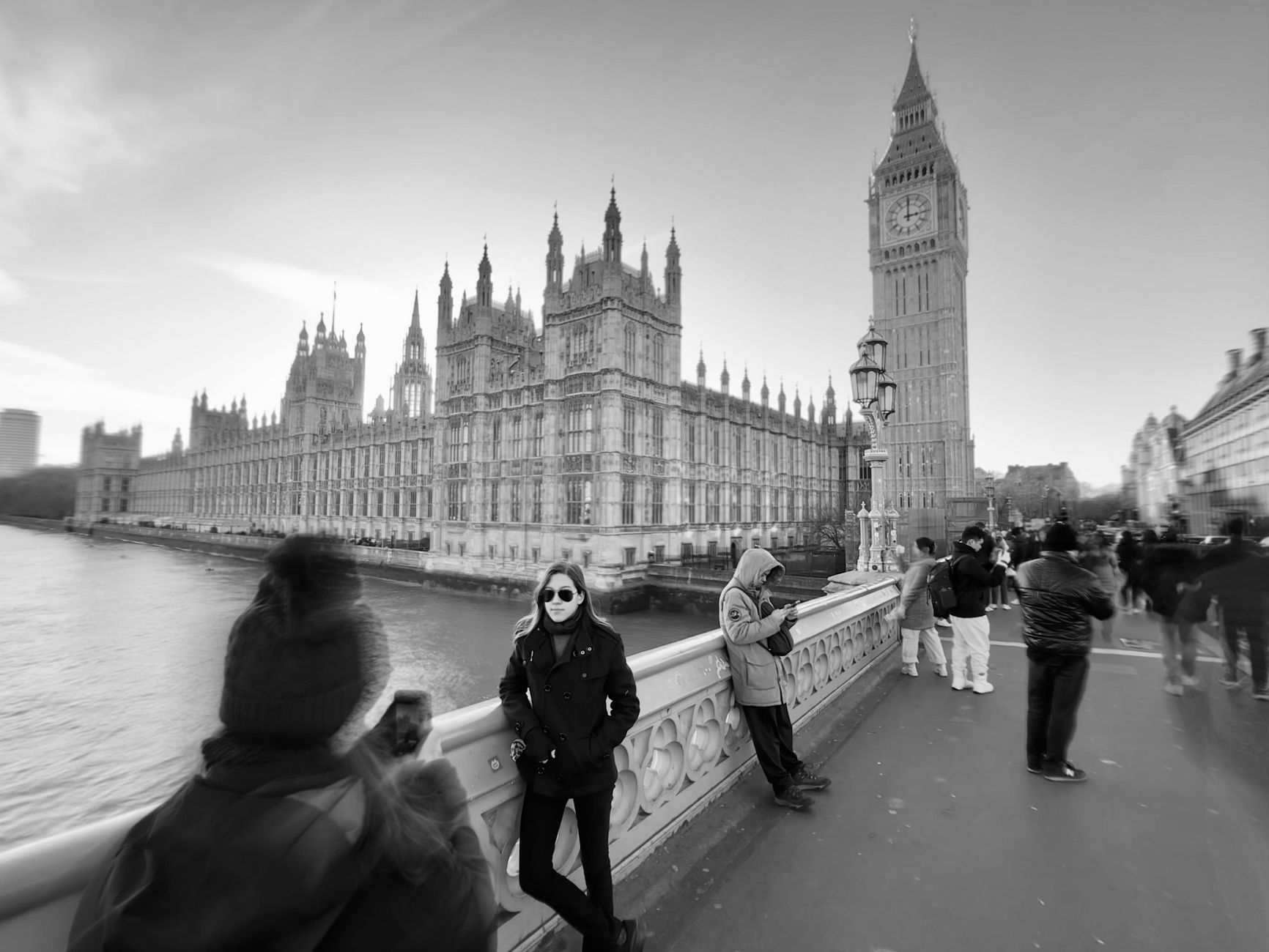
In the hallowed halls of Westminster, where tradition often reigns supreme, a modern device has sparked an unexpected debate. Reform UK politician Gary O'Connell was seen using smart glasses during a recent debate, allegedly as a teleprompter, which has ignited calls for a ban on such technology within the House of Commons.
The glasses, which can discreetly project text onto the user's lens, have prompted privacy concerns. Critics argue that allowing MPs to use these devices could undermine the authenticity of parliamentary debates. 'We already have MPs reading from tablets and phones,' a Reform UK spokesman remarked, 'This is simply the next step.'
Yet, not everyone is convinced. The potential for such devices to surreptitiously record proceedings has raised alarms, mirroring recent actions by Norway's government to consider banning smart glasses in various public spaces due to similar concerns.
Privacy Versus Progress
Proponents of the technology argue that it enhances the ability of MPs to access information rapidly and efficiently. However, the potential for misuse cannot be ignored. In an era where privacy is increasingly under siege, the introduction of such technology in a setting as significant as Westminster raises important ethical questions.
The call for a ban is not without precedent. Several countries are exploring similar measures, particularly where the risk of covert recording is high. For now, it appears the debate over smart glasses in Westminster will continue, as MPs grapple with balancing technological progress with privacy and integrity.
A Wider Implication
Beyond the confines of the Commons, this incident highlights a broader issue: the role of emerging technology in public life. As gadgets become more integrated into daily routines, the line between helpful innovation and intrusive surveillance becomes increasingly blurred. Policymakers worldwide will need to address these challenges as they unfold.