Westminster Eyes Smart Glasses as Debate Over Technology Intensifies
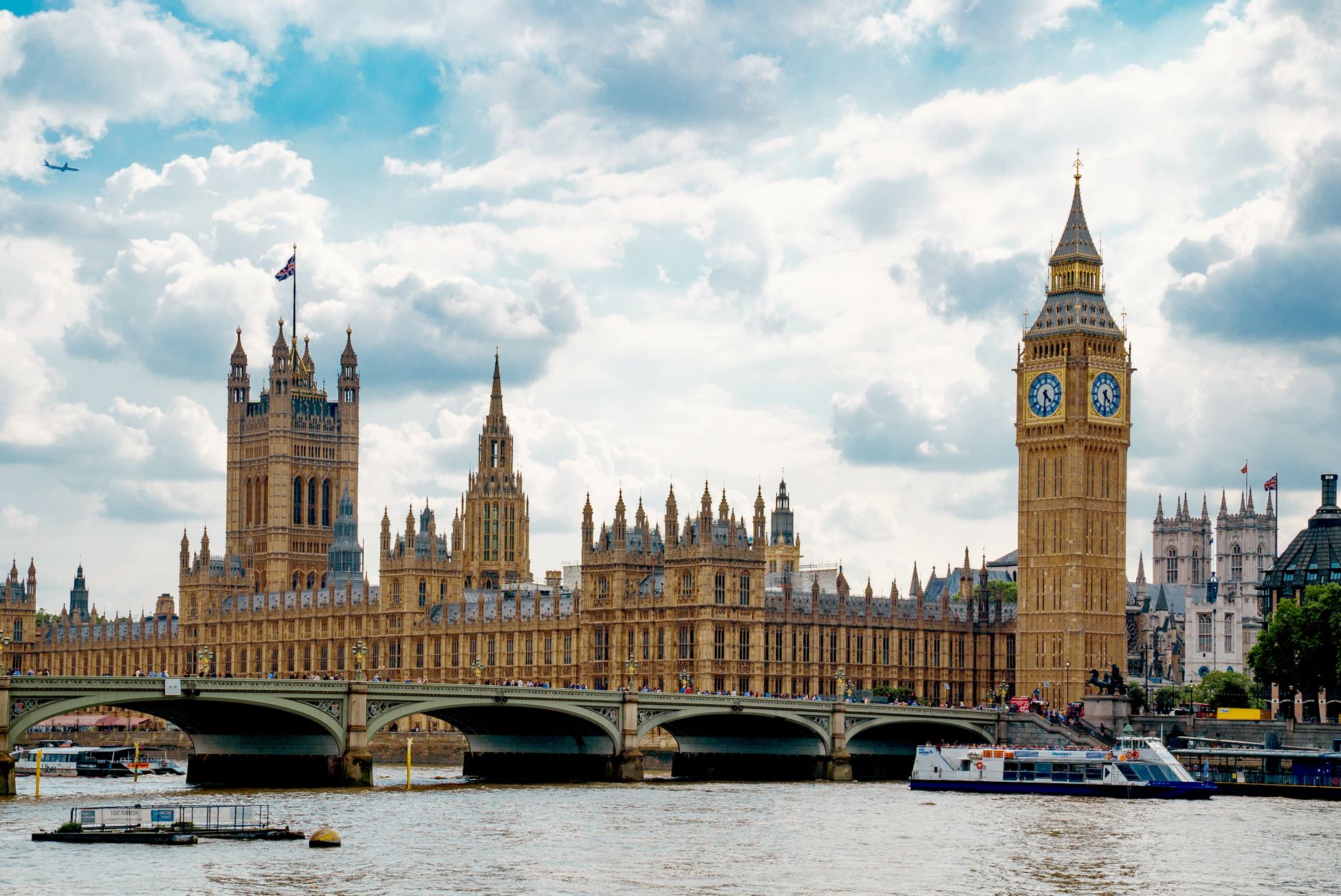
The House of Commons, ever a theatre of spirited debate, has found itself at the centre of a technological storm. A Reform UK politician recently donned a pair of smart glasses during a parliamentary session, ostensibly using them as a teleprompter, and has unwittingly ignited a fierce debate over the role of such technology within the hallowed halls of Westminster.
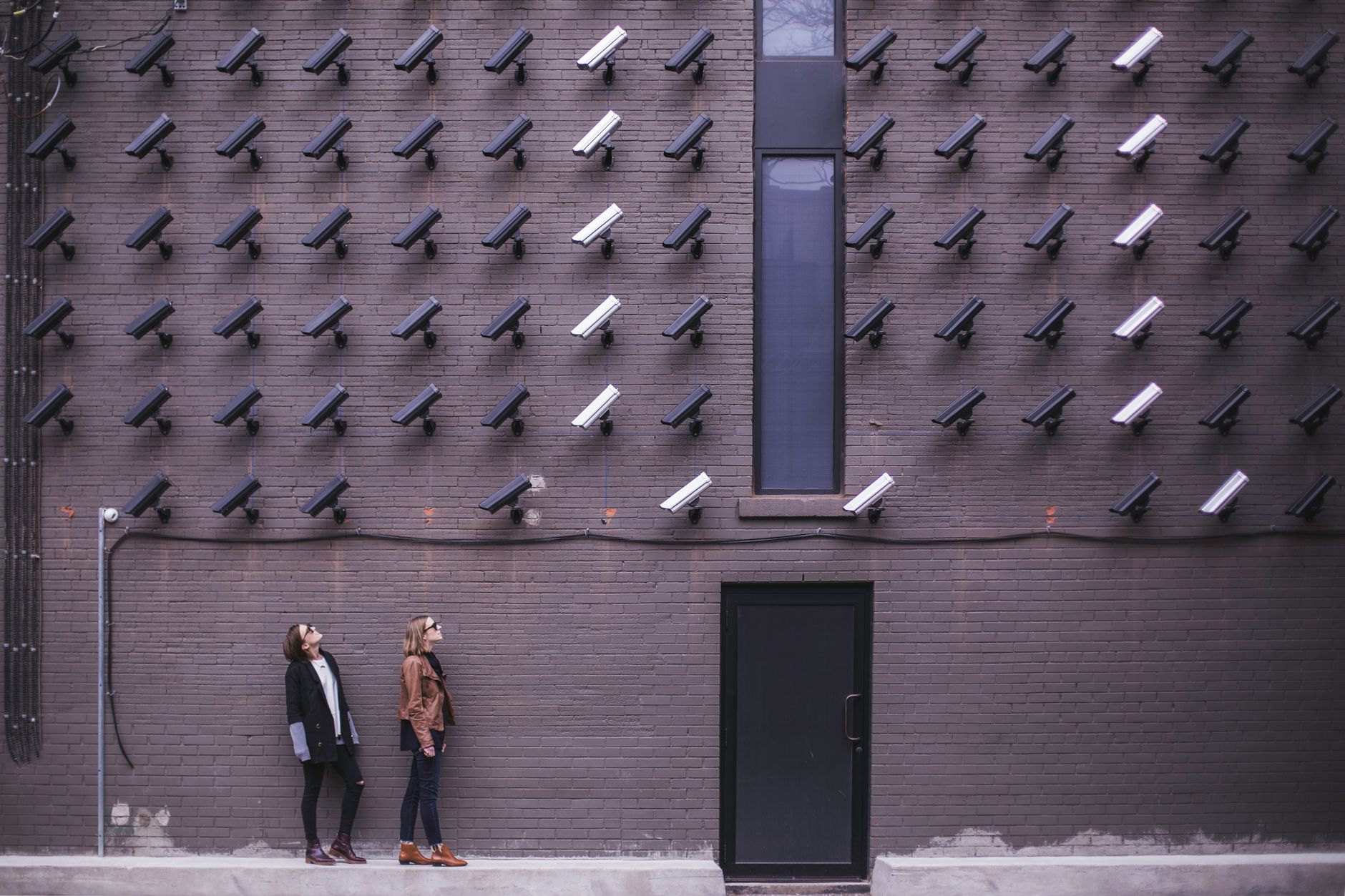
Smart glasses, often lauded for their futuristic capabilities, are increasingly becoming a staple in various sectors. However, their presence in political arenas raises profound questions about transparency and privacy. Critics argue that these devices, which can discreetly project information onto the lenses or record surroundings, could undermine the integrity of parliamentary proceedings.
Privacy Concerns and Calls for Regulation
Norway recently proposed a temporary ban on smart glasses in public spaces, citing privacy concerns. The optics of politicians potentially recording debates or receiving unseen prompts during discussions have some MPs calling for similar measures in the UK. A Reform UK spokesperson defended the use of technology, noting that MPs often read from tablets or phones, suggesting that smart glasses are simply an evolution of existing practices.
Yet, the unease remains palpable. The potential for misuse—intentional or not—could erode trust between elected officials and the public they serve. While technology can enhance capabilities, its unchecked use in governance settings could prove problematic, especially if it leads to clandestine recording or influence.
A Balancing Act
As Westminster grapples with these issues, the debate reflects broader societal tensions over technology's place in public life. Smart glasses, like other emergent technologies, offer undeniable benefits but also come with strings attached. Finding a balance between innovation and accountability will be crucial.
For now, the eyes of both proponents and sceptics are firmly fixed on Westminster, each side hoping their vision for the future will prevail. Whether smart glasses become a fixture in the corridors of power or are relegated to history's dustbin remains uncertain, but what is clear is that this debate is far from over.