Westminster Weighs Ban on Smart Glasses After Politician's Eyewear Stunt
In a spectacle befitting a modern-day political drama, a Reform UK politician has sparked controversy by donning smart glasses during a speech in the Welsh parliament, the Senedd. These glasses, suspected of acting as a covert teleprompter, have prompted urgent calls for their ban in the hallowed halls of Westminster.
The incident has not only drawn attention to the increasingly ubiquitous nature of wearable technology but has also raised pivotal questions about its place within the legislative process. The politician at the centre of this furore, Mr Jason O’Connell, has defended his tech-savvy eyewear as a mere tool to enhance his speech delivery. However, critics argue that such devices could undermine the integrity of parliamentary debates, where spontaneity and transparency are valued above all.
A Call for Clarity
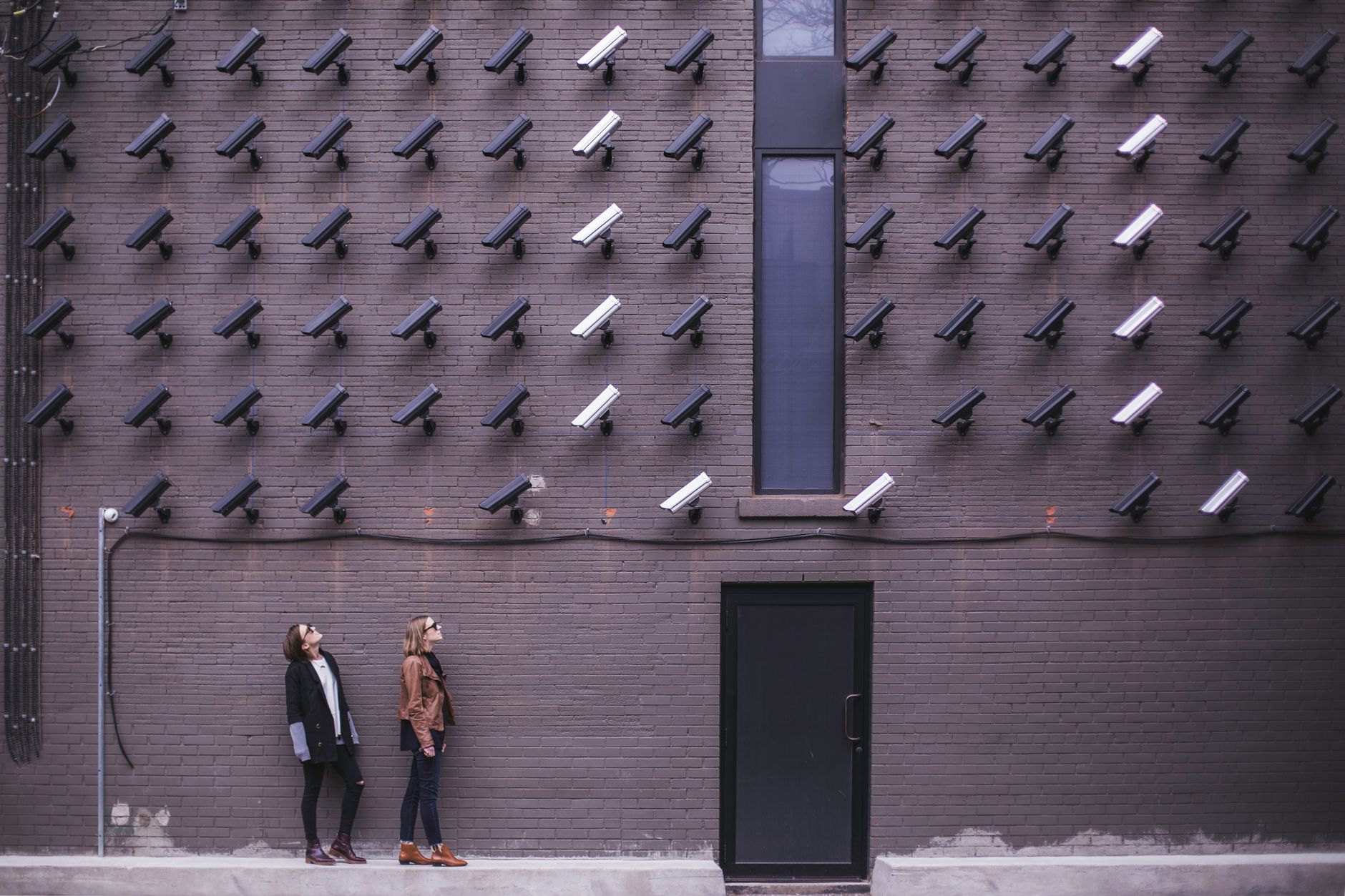
Concerns have been voiced by MPs and Lords alike, who fear that the use of such technology could lead to a slippery slope of surveillance and privacy invasions. The potential for smart glasses to record proceedings surreptitiously has only added fuel to the fire, prompting some to question whether existing parliamentary rules are equipped to handle this digital dilemma.
Proponents of the technology, however, argue that banning smart glasses would be a regressive step, stifling innovation and ignoring the benefits such tools can offer in terms of accessibility and information retrieval. As the debate unfolds, the House of Commons is faced with the unenviable task of balancing modernisation with tradition.
The Road Ahead
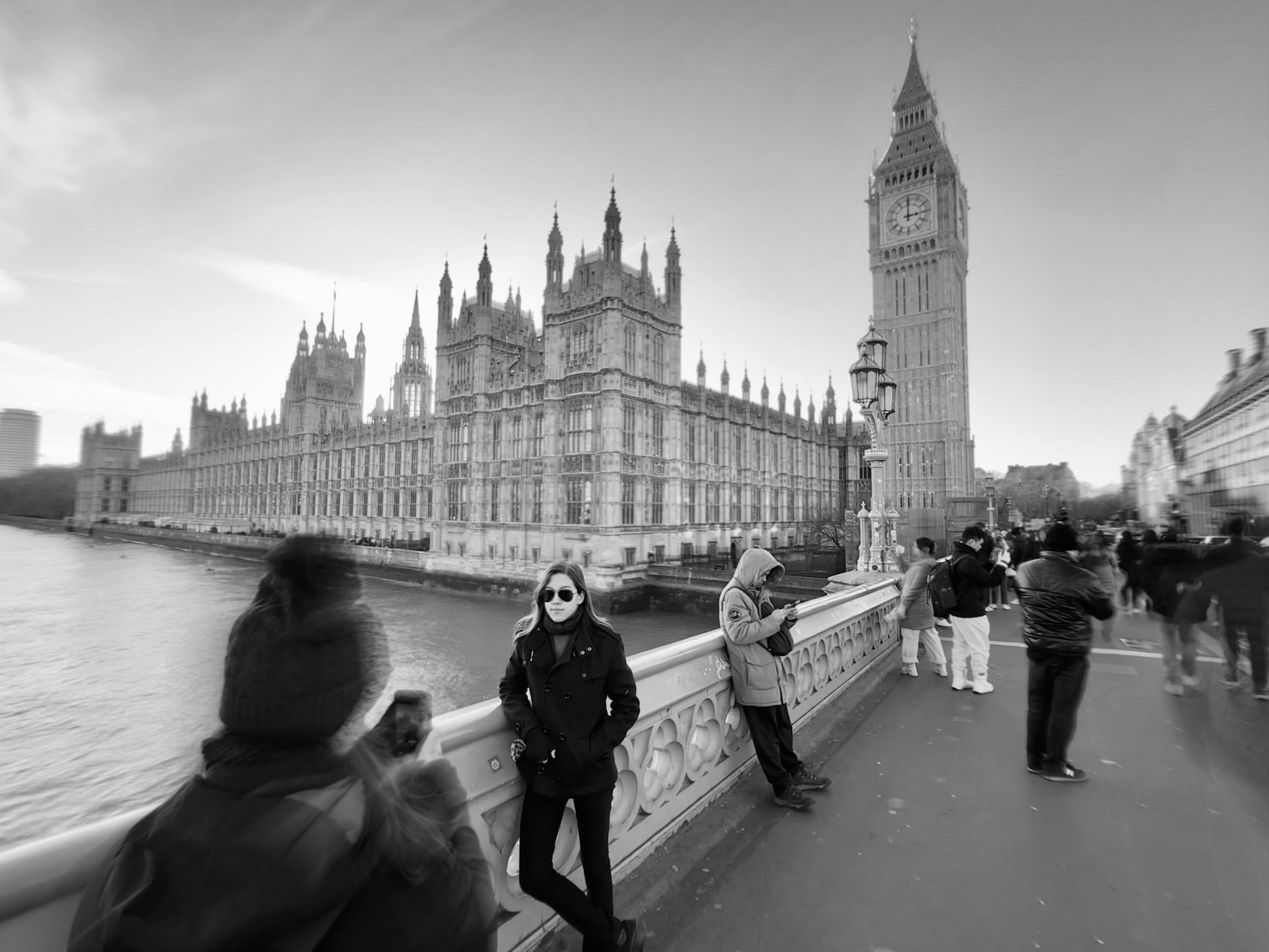
As Westminster deliberates on the future of smart glasses within its corridors, the broader discussion of technology's role in democracy remains as pertinent as ever. For now, the eyes of the nation remain fixed on this compelling intersection of technology and governance, awaiting a resolution that will set a precedent for future debates.