When Wormholes Collide: Unravelling the Cosmic Conundrum
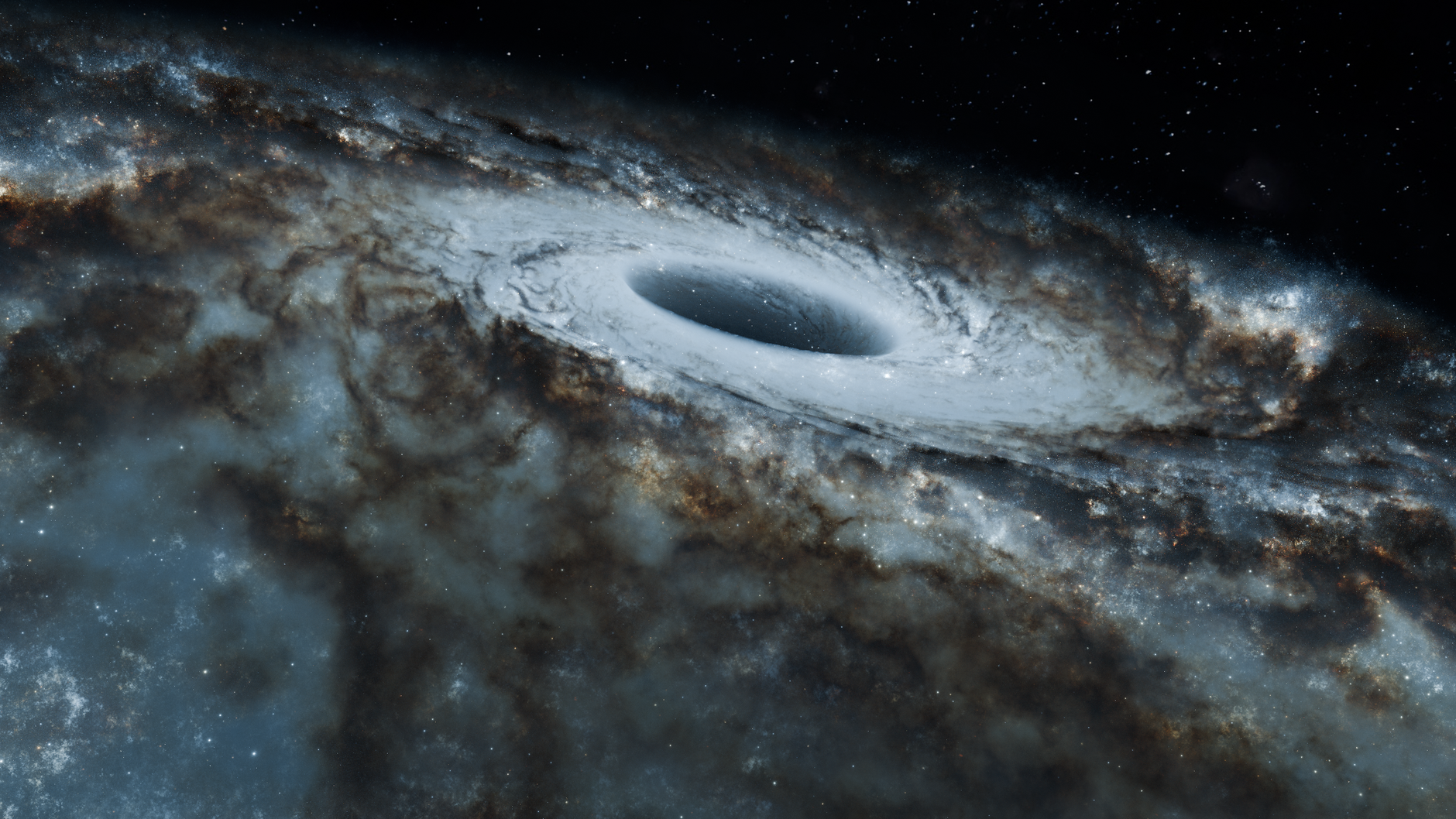
In the realm of theoretical physics, where the boundaries of reality blur, the collision of two wormholes presents a tantalising puzzle. A recent simulation led by physicist Nikita M. Shirokov and machine learning engineer Ilya Nachevsky has ventured into this uncharted territory, yielding results as strange as they are fascinating.
Their research delves into the behaviour of binary Ellis-Bronnikov wormholes, a concept that until now has existed more comfortably in the imaginations of science fiction writers than in scientific discourse. The collision of these cosmic tunnels, which hypothetically connect disparate points in spacetime, could produce effects that defy conventional understanding.
Unusual Spacetime Phenomena
The simulations reveal a series of bizarre spacetime phenomena, including shrinking horizons and gravitational wave signatures that starkly contrast with those produced by black hole mergers. Unlike the elegant spirals of gravitational waves typically associated with black holes, wormhole interactions could generate erratic echoes that ripple through the cosmos.
These findings are not mere academic curiosities. They could have profound implications for our understanding of the universe. If such phenomena can be observed, they might provide new evidence for the existence of wormholes, a staple of science fiction that remains elusive in empirical science.
Implications for Future Research
While these simulations are firmly rooted in the theoretical, their implications stretch beyond the blackboard. They pave the way for future research that could eventually lead to the detection of such phenomena. Advanced instruments capable of picking up these unique gravitational echoes might one day confirm or refute the existence of wormholes, transforming our understanding of spacetime.
The work of Shirokov and Nachevsky highlights the importance of marrying theoretical physics with cutting-edge simulation technologies. As we stand on the cusp of potentially groundbreaking discoveries, the universe continues to offer more questions than answers, challenging our perceptions and inspiring the next generation of physicists.