Why Birds React Uniquely to Environmental Shifts
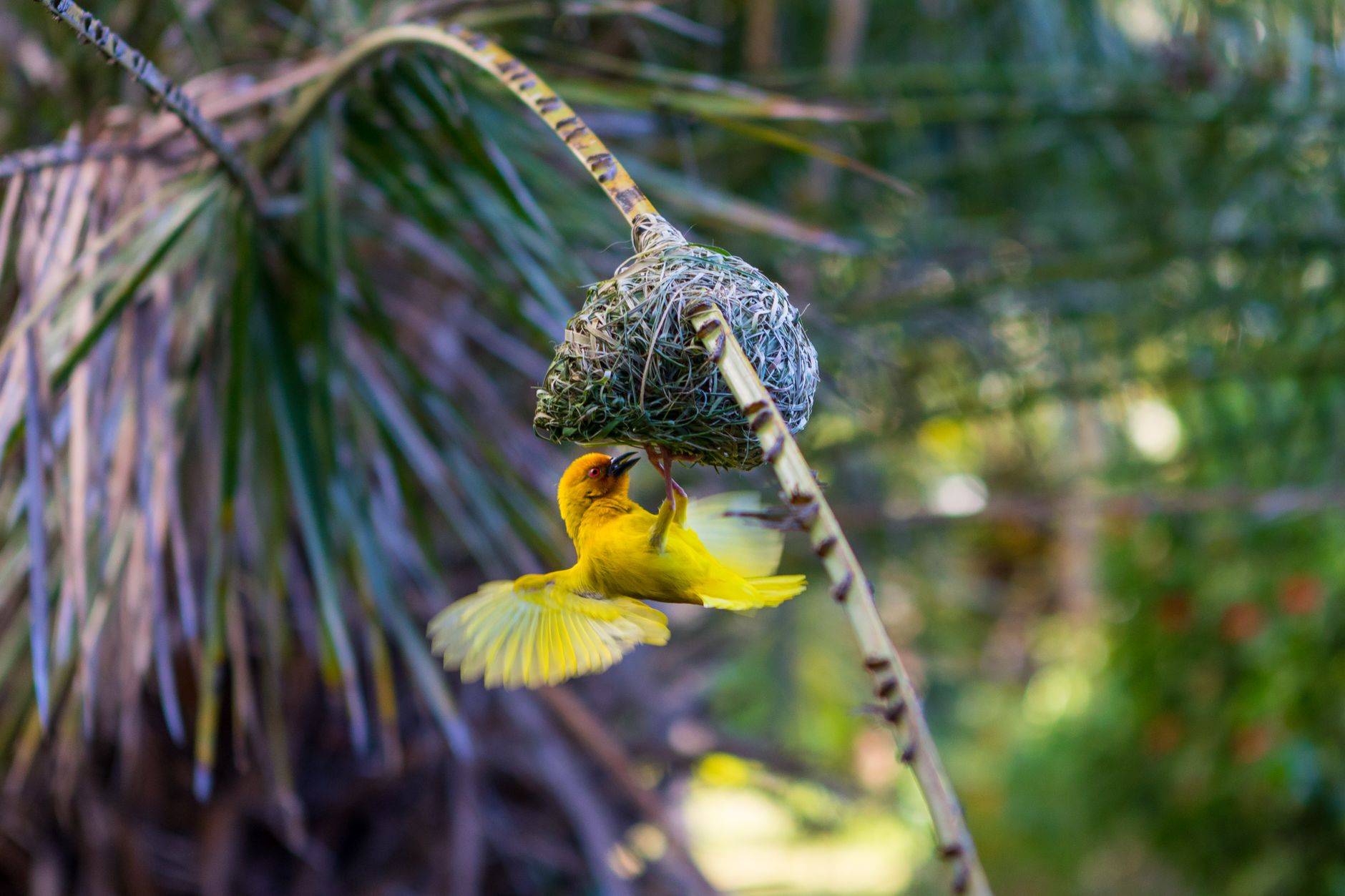
Amidst the cacophony of alarm bells ringing over climate change, birds offer a nuanced symphony of responses that can be as varied as their plumage. Recent research has highlighted how different species of birds react to environmental changes, and the reasons are as diverse as the birds themselves.
Key to understanding these responses is the recognition of the distinct traits each bird species possesses. Characteristics like vision, flight behaviour, and climate preference play a pivotal role in their survival strategies. For instance, a bird's ability to spot distant predators or food sources in changing habitats can mean the difference between thriving and declining populations.
The Role of Evolutionary Traits
Birds have evolved over millions of years, developing traits that suit their unique ecological niches. These evolutionary traits are now under the microscope as scientists attempt to decipher how birds cope with both short-term and long-term environmental changes. Vision and flight behaviour, for example, are not merely survival tools but also indicators of how well a species might adapt to shifting climates.
Moreover, vocal traits and life-history strategies also emerge as significant factors. Birds communicate using a complex array of calls, and changes in their habitats could necessitate an evolution in these vocalisations. This is not merely an academic exercise; understanding these dynamics is crucial for conservation efforts, as it helps predict which species are most at risk due to climate change and human encroachment.
Implications for Conservation
These insights carry profound implications for conservationists. As urban expansion continues to encroach on natural habitats, understanding how different species respond to human disturbances becomes ever more critical. Some birds, it seems, have developed a remarkable resilience to urban noise, while others are less adaptable, their survival threatened by the very presence of humans.
In addition, the timing of natural events, such as the onset of spring, can vary significantly with climate shifts, affecting migratory patterns and breeding seasons. These changes are not uniform; different populations of the same species may respond differently based on local conditions.
The study of birds and their responses to environmental change offers a window into the broader impacts of climate change. It is a field that not only seeks to preserve bird populations but also provides crucial insights into the health of our ecosystems. As researchers continue to unravel these complex interactions, the hope is that their findings will inform better strategies for mitigating the impact of environmental change, ensuring that the skies remain filled with the vibrant diversity of avian life.