Why the Leap Hour Could Be the Future of Timekeeping
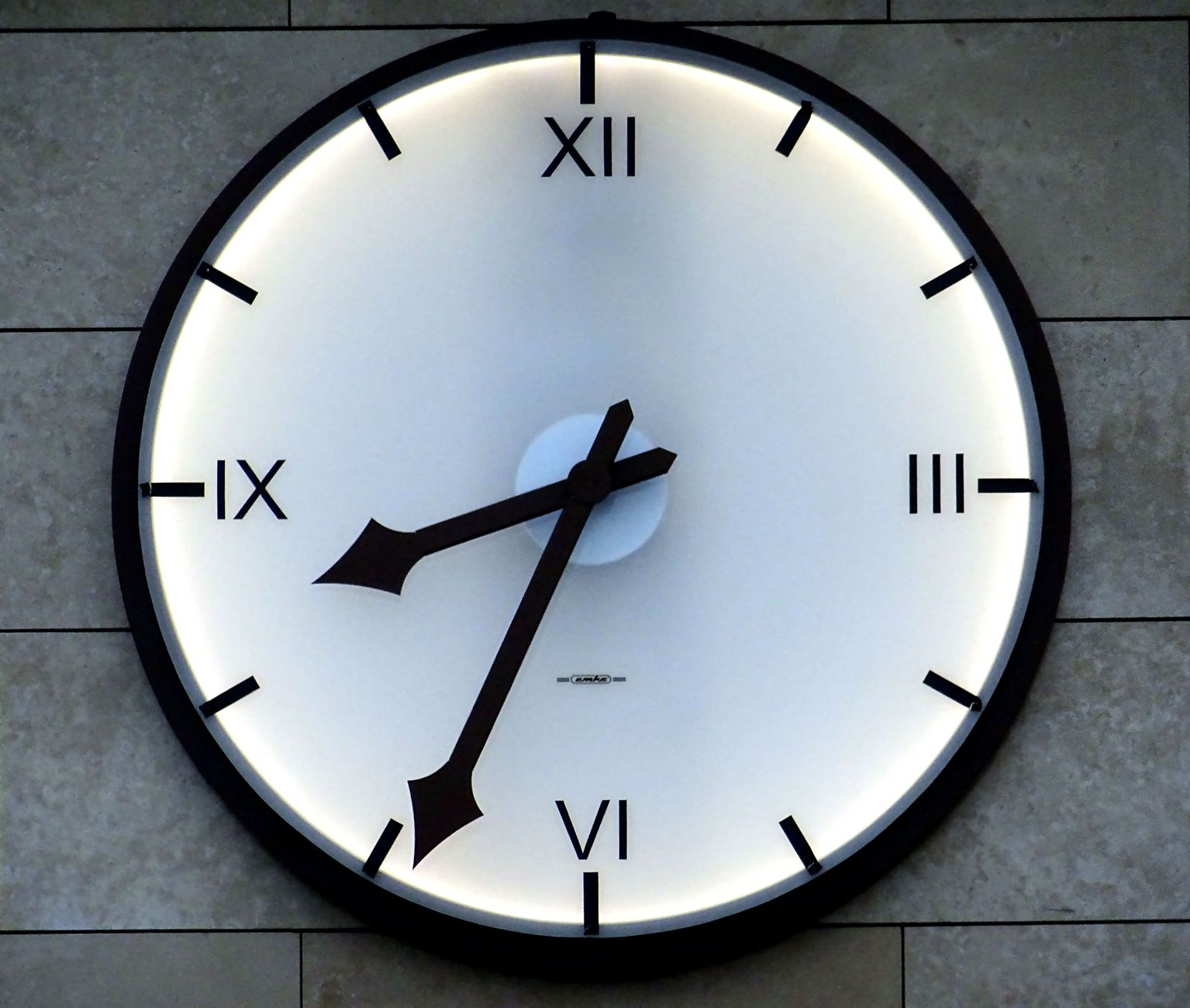
In an era defined by technological precision, the notion of a leap hour might sound like an odd throwback to ancient timekeeping. Yet, as Earth's rotation continues to accelerate, experts are taking this idea quite seriously. The leap second, a concept that has been in place since 1972 to keep atomic time and astronomical time in sync, is now under scrutiny.
For those outside the realm of timekeeping aficionados, a leap second might seem negligible—a mere blip in the grand scheme of things. However, for industries reliant on precision, such as telecommunications, electricity grids, and navigation systems, even this small adjustment can cause substantial headaches. Dr. Peter Shemar, a timekeeping expert, noted that software updates designed to account for leap seconds often misfire, leading to network disruptions.
The Accelerating Earth
Since 2015, Earth has been spinning faster, a phenomenon that has puzzled scientists and posed challenges for keeping Coordinated Universal Time (UTC) aligned with Earth’s rotation. This unexpected acceleration has prompted discussions about the possibility of a 'negative' leap second, where a second would be subtracted rather than added. But given the existing issues with positive leaps, experts fear that a negative leap could be equally, if not more, problematic.
Leap Hour: A Radical Proposal
In a bid to solve these recurring issues, international delegates have agreed that the leap second is no longer tenable. The solution? A leap hour, a monumental adjustment that wouldn’t be required for thousands of years. This proposal, though radical, aims to prevent the perturbations caused by frequent leap second adjustments.
While this might appear as a distant concern, the discussions underscore the dynamic nature of our planet and the complexities involved in keeping human constructs aligned with it. As technology advances, so too must our methods of timekeeping, ensuring that global systems remain in harmony with Earth's ever-changing pace.