World Bank Report: Stark Wealth Disparity Between Rich Nations and India
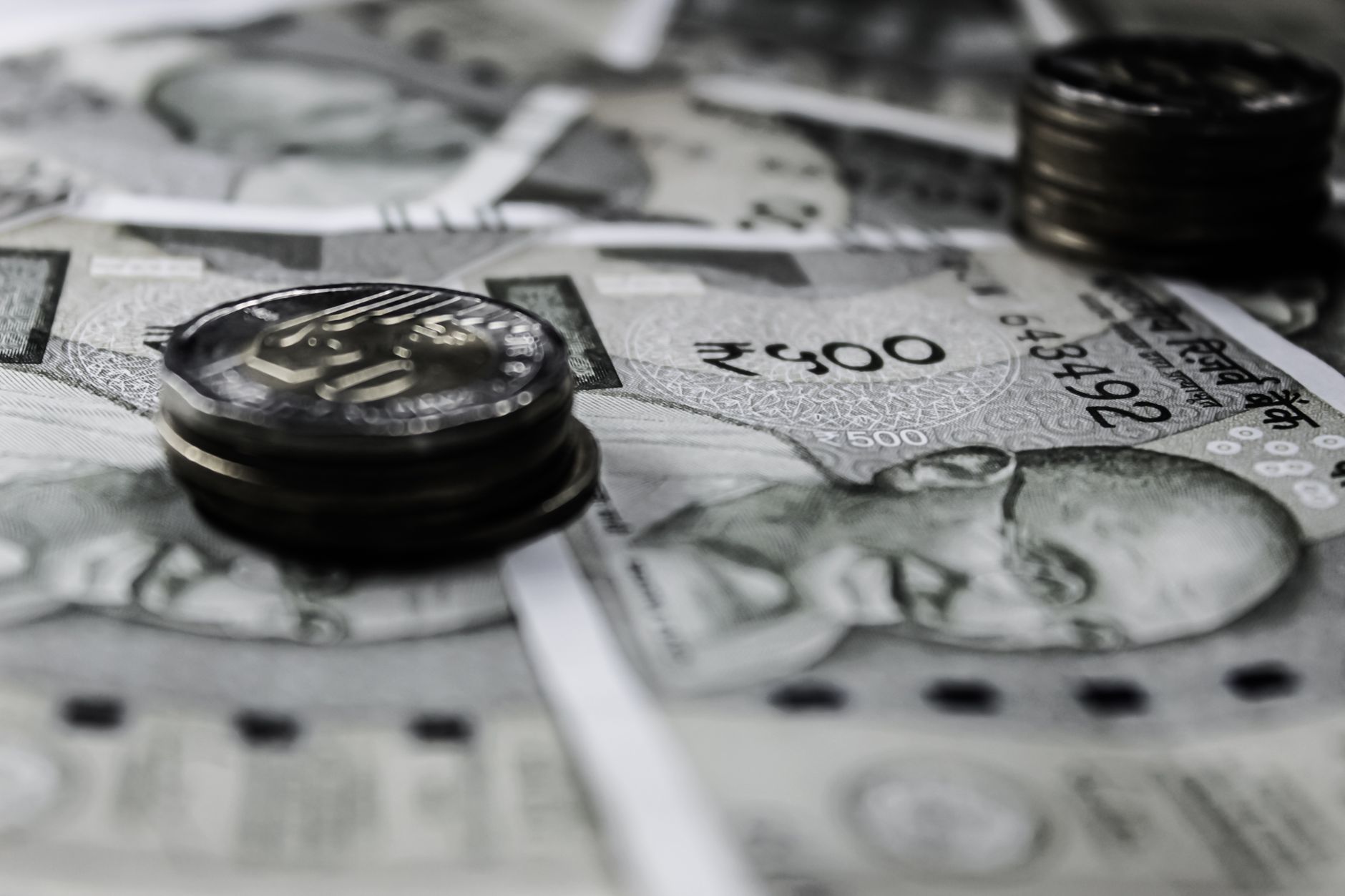
The recent findings from a World Bank report have cast a spotlight on an unsettling truth: the poorest 10% in the world's wealthiest nations earn more than the richest 10% in India. This revelation is a stark reminder of the deep-seated economic disparity not just within India, but also in comparison to the global economic arena.
India, a country often lauded for its burgeoning economy and burgeoning tech industry, finds itself grappling with an uneven distribution of wealth. The country's richest 10% may enjoy a level of affluence envied by many, yet this pales in comparison to the income brackets of even the lowest earners in more prosperous nations. The report highlights that while India is home to some of the world's wealthiest individuals, such as those featured in global billionaire lists, the broader economic picture tells a different story.
According to recent data, the purchasing power in the world's richest economies exceeds £90,000 annually per person, while in India, it remains significantly lower. The economic growth India witnesses does not seem to trickle down to its lowest earners, who continue to struggle against a backdrop of rising living costs and limited access to quality education and healthcare.
This disparity is not just a matter of numbers; it has profound implications for social equity and economic stability. The World Bank's report suggests that without strategic interventions to address this imbalance, India risks entrenching a cycle of poverty that could undermine its aspirations to become a leading global economic power.
The question arises: what can be done to bridge this chasm? Experts argue for a multi-faceted approach. Strengthening social welfare systems, investing in education, and fostering inclusive growth policies are seen as vital steps forward. Moreover, addressing corruption and improving governance can ensure that resources are directed towards those who need them most.
As India continues to navigate the complexities of its economic landscape, the insights from the World Bank serve as a clarion call for action. Bridging the wealth divide will be crucial not just for India's future prosperity, but also for its quest to ensure a fair and equitable society for all its citizens.