World Leaders Assemble at UN as Geopolitical Tensions Escalate
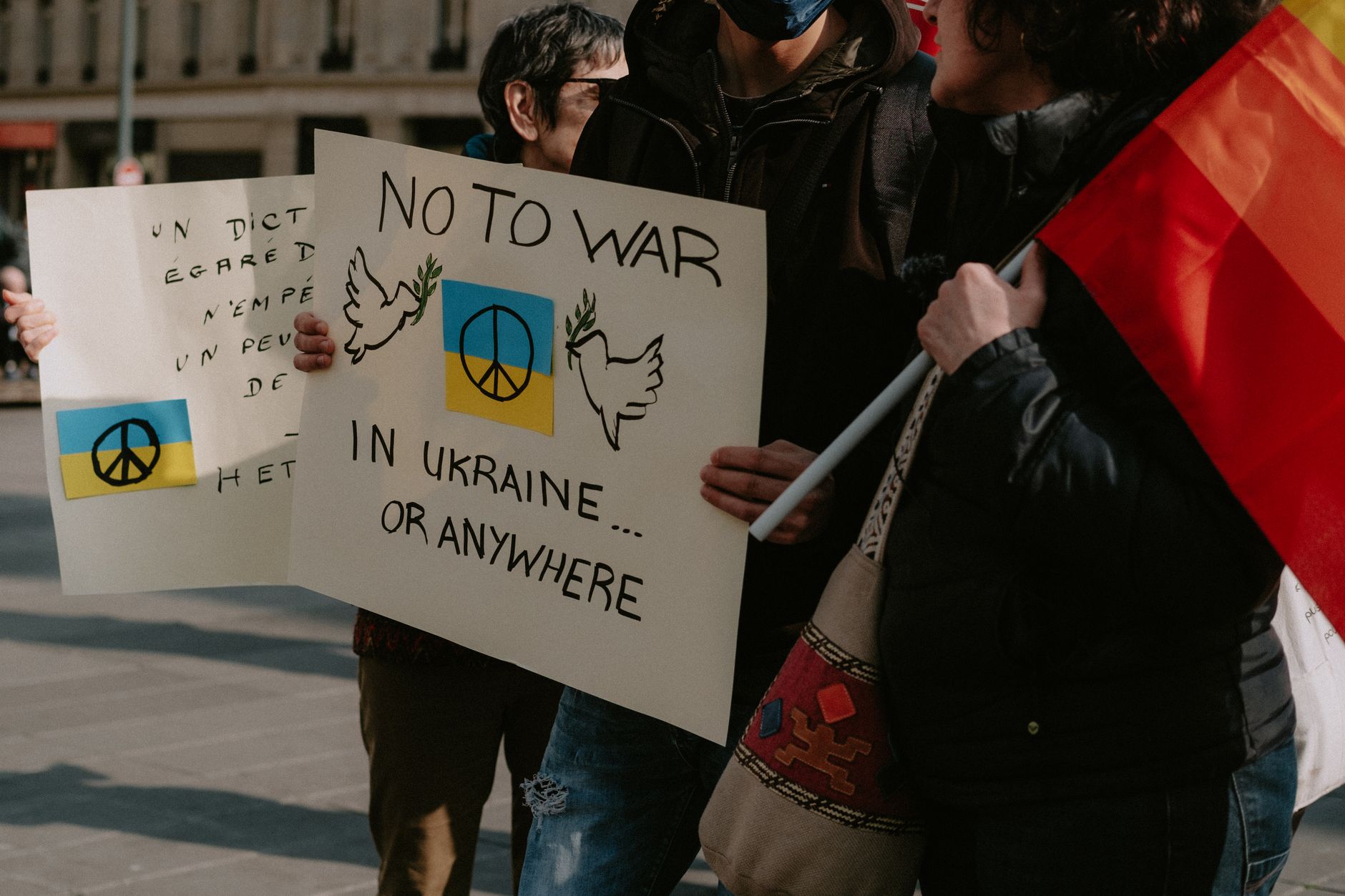
In the bustling corridors of the United Nations headquarters in New York, a familiar ritual unfolds as over 130 world leaders converge for the General Assembly. Amidst the customary diplomatic niceties, the spectre of escalating conflicts in the Middle East and Ukraine looms large, demanding urgent attention.
This year's assembly, however, is not just another diplomatic gathering. The stakes are higher as the world grapples with more than just geopolitical strife. The Middle East is a tinderbox, with tensions threatening to spill over into neighbouring regions. Meanwhile, Ukraine remains embroiled in a protracted conflict that has drawn in global powers, each with vested interests.
Global Challenges on the Agenda
In addition to these wars, the assembly is tasked with addressing the multifaceted challenges posed by artificial intelligence and the renewed interest in nuclear armament. The latter is particularly troubling, as nations such as Turkey and South Korea contemplate bolstering their own nuclear capabilities in response to perceived threats.
President Joe Biden, keen to assert his diplomatic credentials, is expected to deliver a speech that balances his administration's achievements with the pressing need for international cooperation. His predecessor, Donald Trump, also makes a return, his presence adding an unpredictable element to the proceedings.
Climate and Humanitarian Concerns
Compounding these issues are the pervasive threats of climate change and humanitarian crises. The UN, once a bastion for nuclear nonproliferation, now finds itself grappling with a world that feels more fractured and perilous than ever.
As leaders navigate these turbulent waters, the need for a concerted and cohesive global response has never been more apparent. Yet, whether the assembly will yield tangible results or simply serve as another stage for rhetoric remains an open question.