World Leaders Urge Immediate Action as El Niño Intensifies Climate Crisis
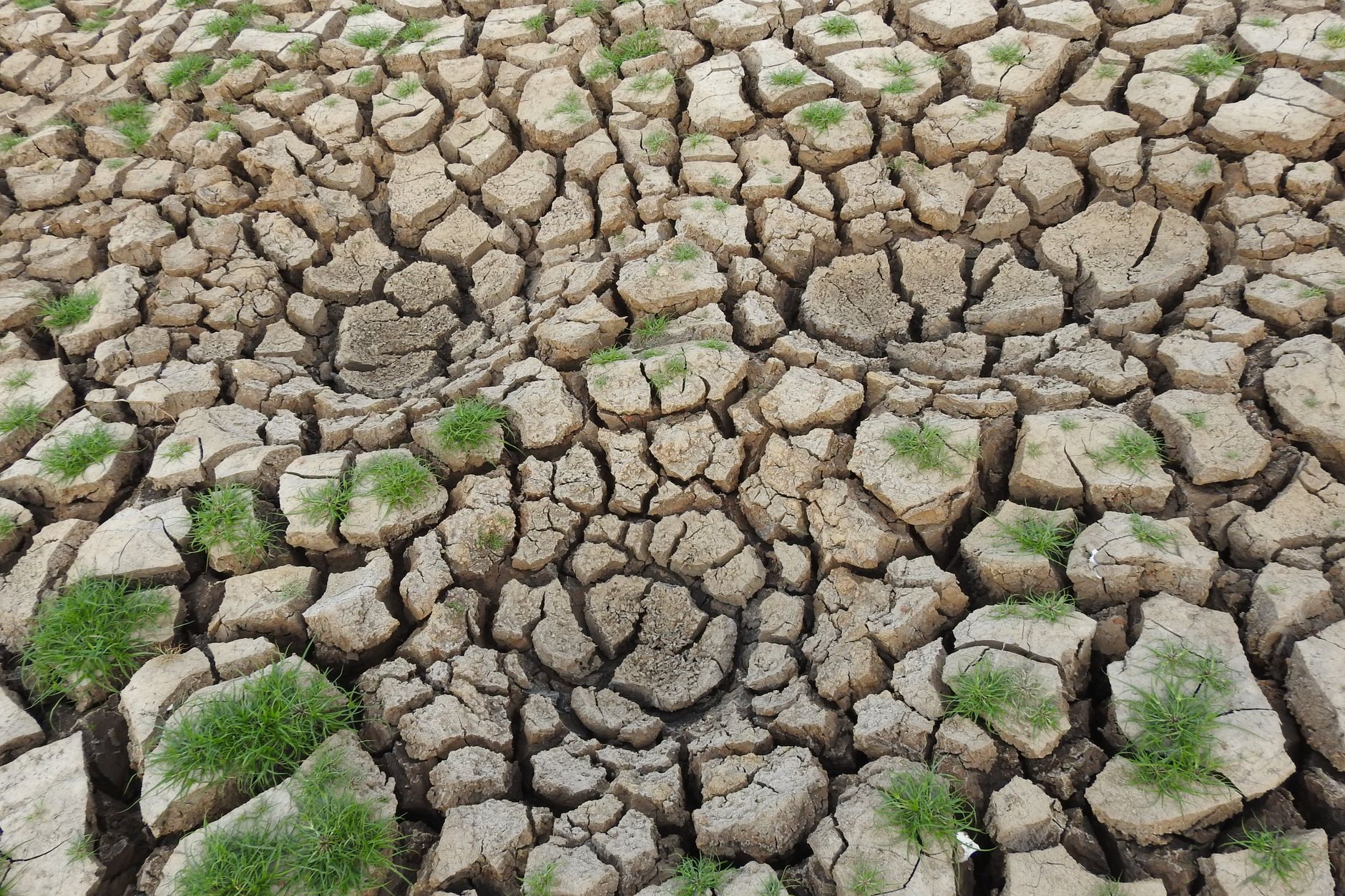
In the bustling corridors of the United Nations headquarters in New York, the climate crisis has emerged as the focal point for leaders gathered for the General Assembly. Against a backdrop of sweltering temperatures, the likes of which the world has rarely seen, the urgent call for a unified response to climate change echoes louder than ever.
This year’s assembly coincides with a record-breaking El Niño event, which scientists warn could exacerbate already extreme weather patterns. The implications are stark. With global temperatures on the rise, 2027 might yet become the hottest year recorded, a dire prophecy that leaders are keen to avert.
Global Cooperation and Aid
During the opening of Climate Week, leaders from developed nations pledged support to their more vulnerable counterparts. The Australian Prime Minister, Anthony Albanese, particularly highlighted the plight of Pacific nations. 'A region where those who've contributed the least to the climate crisis are among the most vulnerable to its consequences,' he noted.
However, the pledges have not been without controversy. The UK government, for instance, has faced criticism for allegedly 'cutting corners' on its climate aid commitments. A recent parliamentary report suggests that the country is falling short of its promises, casting doubt over the sincerity of its environmental agenda.
The Cost of Inaction
The consequences of ignoring these warnings are severe. The combination of human-induced climate change and natural phenomena like El Niño could lead to catastrophic weather events, threatening both livelihoods and economies worldwide. The need for immediate, tangible action was a recurring theme in speeches throughout the day.
Yet, as leaders speak of cooperation, the path forward is fraught with challenges. The international community must navigate a complex web of political and economic interests to forge a consensus that prioritises the planet over profit.
As the assembly continues, the world watches with bated breath, hoping for resolutions that will translate into real-world impact. For now, the rhetoric is promising, but the tangible outcomes remain uncertain.