Zimbabwe's New Dinosaur Discovery Illuminates Evolutionary Paths
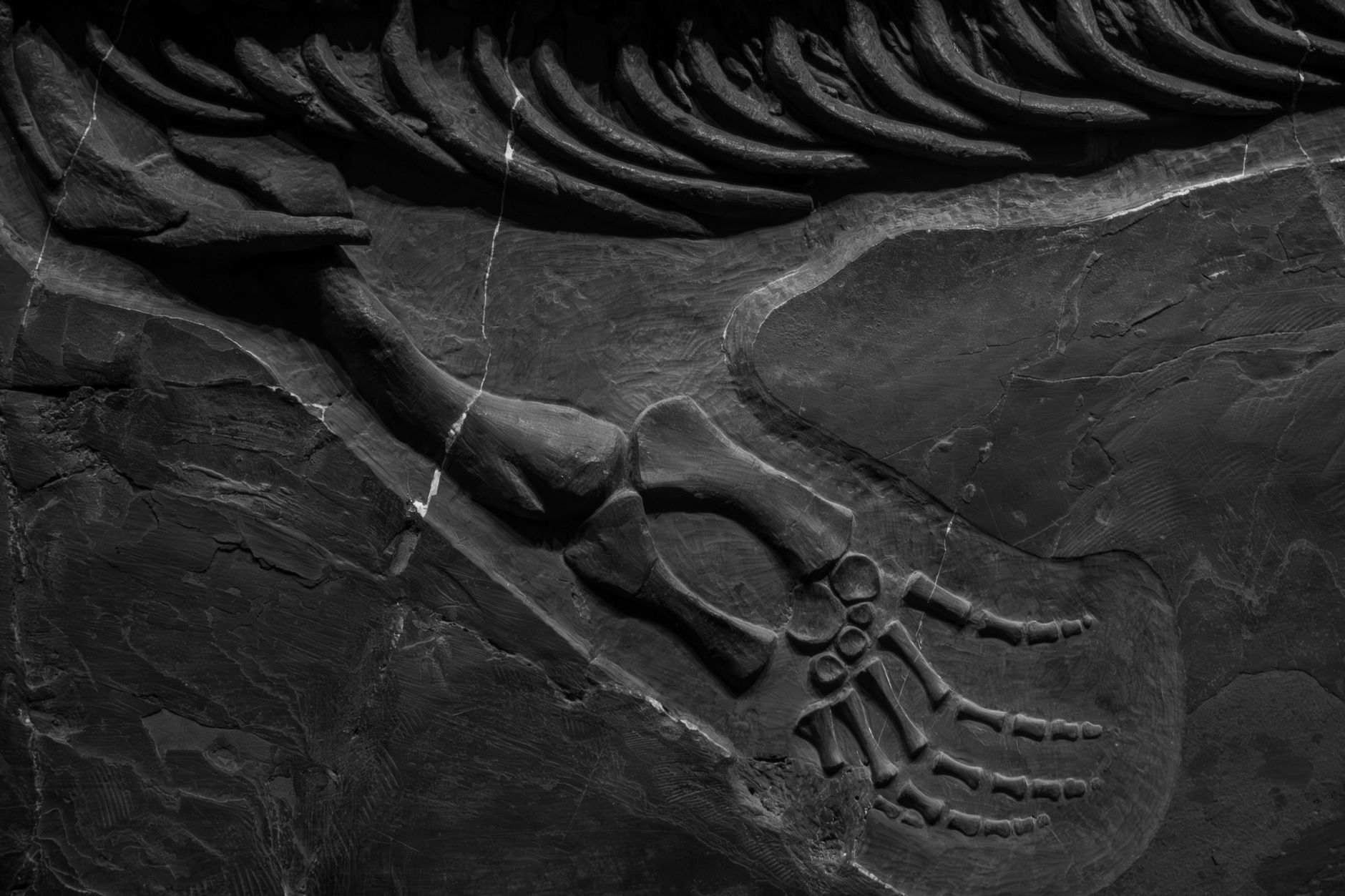
Amidst the tranquil shores of Lake Kariba in northern Zimbabwe, a team of international scientists has stumbled upon a discovery that promises to rewrite the annals of prehistoric life. The unearthing of Musango matusadonaensis, a new dinosaur species, opens a window into the Late Triassic period, some 210 million years ago, offering a glimpse into a world that was once teeming with life.
This remarkable find, a collaboration between researchers from the United Kingdom, South Africa, and Zimbabwe, sheds light on the diversity of dinosaur species that roamed the ancient landscapes of southern Africa. Unlike the more renowned dinosaur sites of North America or Asia, Africa's prehistoric record is less explored, making this discovery particularly significant.
A Fossil Treasure Trove
The fossils, meticulously extracted from the sedimentary layers along Lake Kariba, reveal a creature that once thrived in a unique ecosystem. The discovery of Musango matusadonaensis is only the fourth dinosaur species named from Zimbabwe, highlighting the region's potential to harbour yet more undiscovered prehistoric life.
Dr. Emily Roberts, one of the leading palaeontologists on the project, remarked, "This find not only expands our understanding of dinosaur evolution but also underscores the importance of southern Africa as a key player in the story of life on Earth."
Revisiting Evolutionary Theories
This discovery challenges existing theories about early dinosaur evolution. Previously, it was believed that African dinosaurs were relatively homogenous, but Musango matusadonaensis suggests the existence of distinct ecosystems where diverse species evolved separately.
The implications of this find extend beyond academic intrigue. It prompts a reevaluation of how continental shifts and climatic changes influenced the development and distribution of early dinosaurs across the globe.
As the dust settles on this groundbreaking find, researchers are already planning further excavations in Zimbabwe, hopeful that more hidden treasures lie beneath its ancient soils. With each new discovery, the tapestry of Earth's prehistoric past grows richer, and our understanding of it, more profound.