Zunhua's Ecological Efforts Revitalise Habitats for Waterbirds
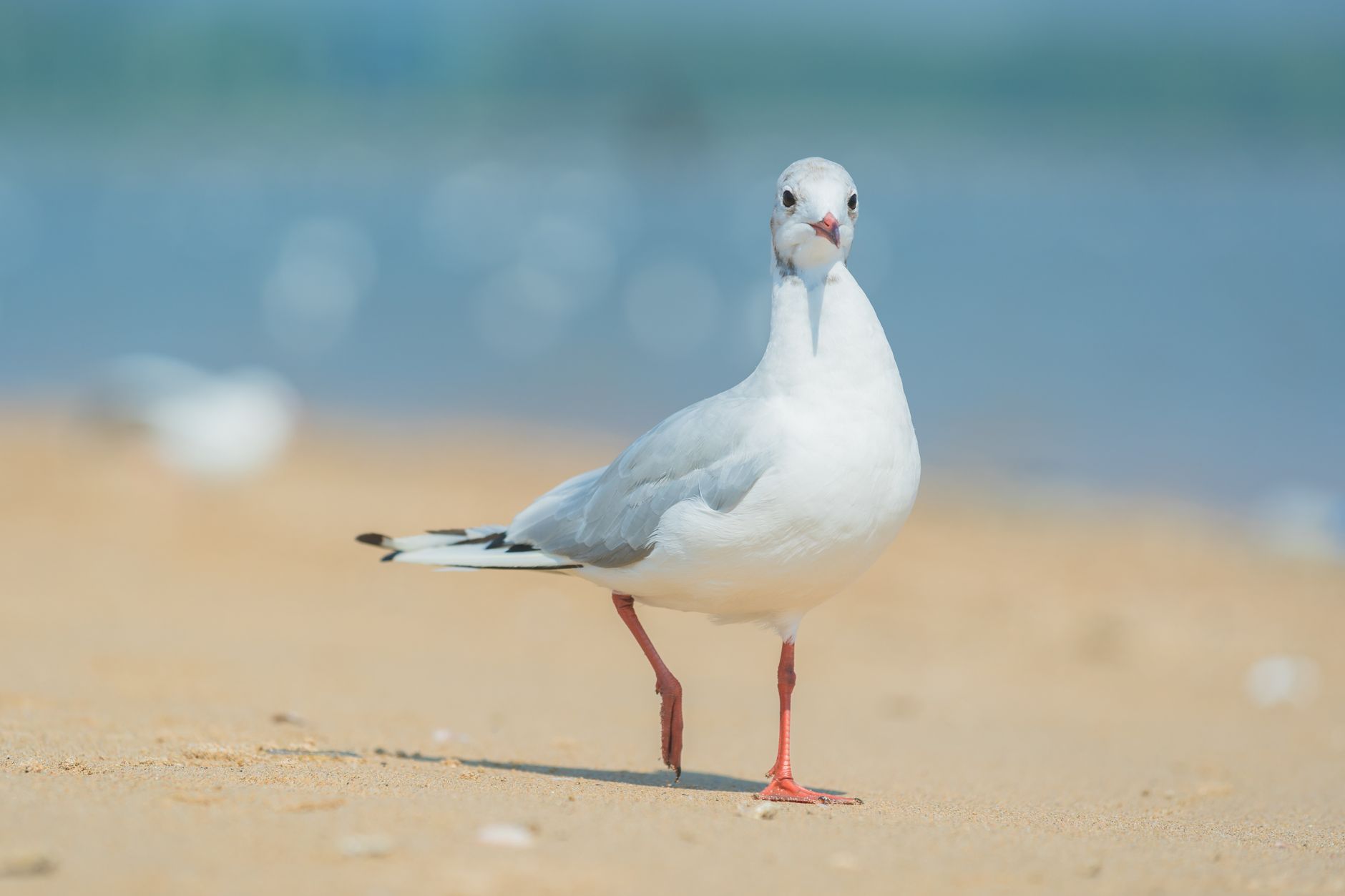
Along the banks of the Shahe River in Zunhua, a gentle symphony of flapping wings and bird calls marks the return of migratory waterbirds. This resurgence is a remarkable testament to the ecological improvements spearheaded by local authorities in Hebei Province, North China. Once beleaguered by pollution and habitat degradation, the area is now a sanctuary for these avian travellers.
In recent years, Zunhua has embarked on a comprehensive programme to rejuvenate its natural environment. The dredging of the Shahe River channel, combined with ecological restoration of its banks and stringent control of agricultural runoff, has created a welcoming habitat for migratory birds. These efforts come as a breath of fresh air amid concerns over declining bird populations across Asia.
Dr. Nial Moores, an expert on bird population trends, has highlighted the alarming drop in migratory waterbird numbers, particularly in regions like the Republic of Korea, where habitat loss has taken a severe toll. Zunhua's initiative, therefore, not only benefits local ecology but also contributes positively to the broader Asian flyway network.
Twice a year, millions of birds make their epic journeys across continents, and for many, Zunhua's rejuvenated habitats now serve as a crucial waypoint. With its improved ecosystem, the region is countering the negative trends observed in other parts of Asia, providing a glimmer of hope for conservationists and birdwatchers alike.
This transformation underscores the potency of local environmental action in safeguarding global biodiversity. As these initiatives continue to evolve, they offer a promising model for other regions grappling with similar ecological challenges.