Zunhua's Ecological Resurgence Welcomes Migratory Waterbirds
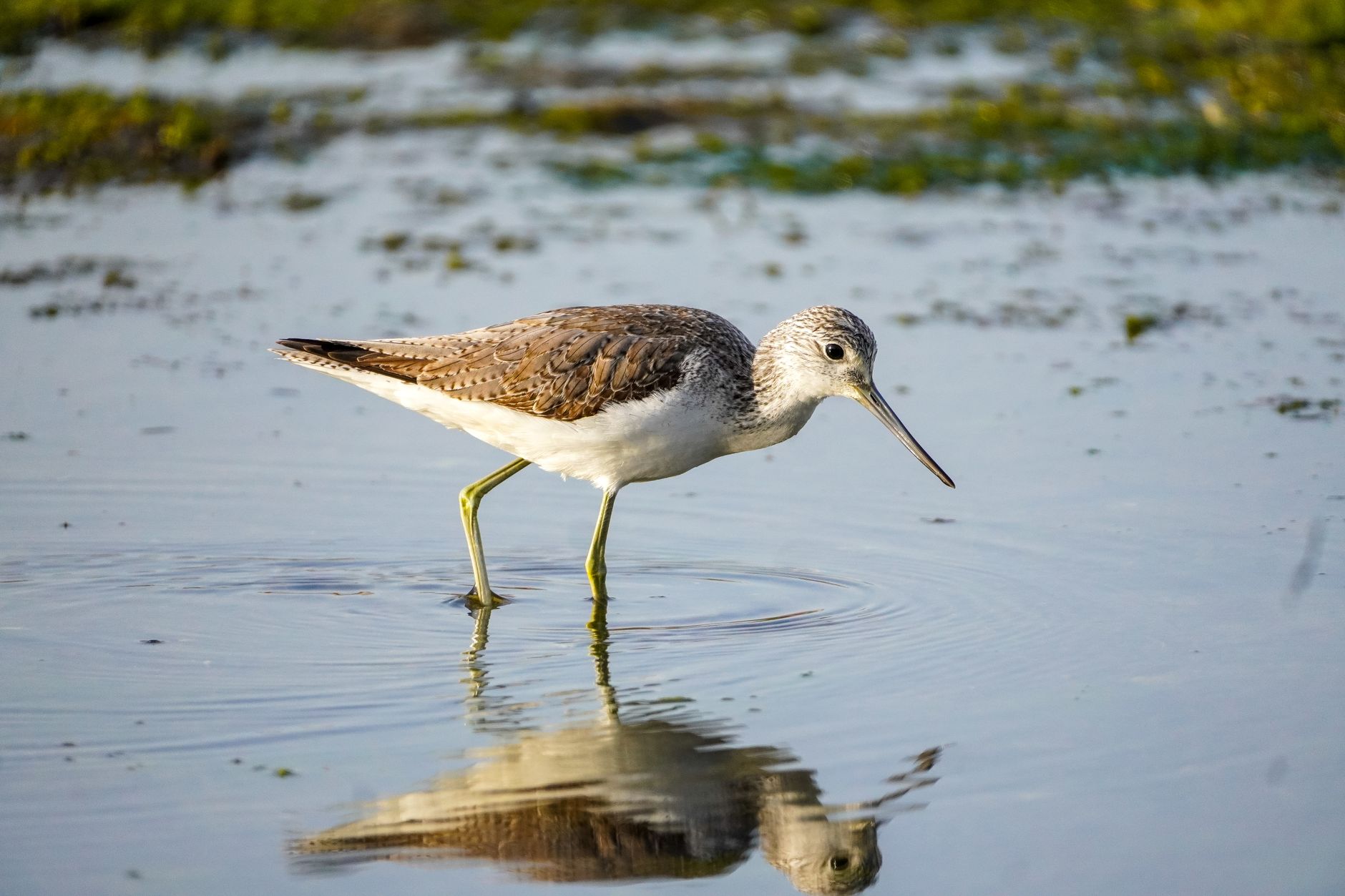
The Shahe River, once a modest watercourse threading through the city of Zunhua in north China's Hebei Province, has transformed into a thriving sanctuary for migratory waterbirds. This metamorphosis is the fruit of extensive ecological restoration efforts, which, over recent years, have aimed to revive the riverine and adjoining landscapes.
Historically, the Shahe River faced significant ecological degradation, largely due to agricultural runoff and unchecked pollution. Recognising the dire need for intervention, local authorities embarked on an ambitious programme to dredge the river channel, restore its banks, and curb agricultural non-point source pollution. These efforts have not only rejuvenated the river's health but also created a conducive environment for migratory species.
The Role of Habitat Restoration
Across the globe, migratory waterbirds face a precarious existence. In the Republic of Korea, for instance, habitat loss and degradation have led to alarming declines in bird populations, underscoring the critical nature of such habitats. The successful revival of the Shahe River demonstrates the positive impact that targeted ecological efforts can have on reversing these declines.
Dr. Nial Moores of Birds Korea has long advocated for the protection and restoration of bird habitats, highlighting that migratory routes are not merely paths of travel but lifelines connecting diverse ecosystems. The Shahe River's revival offers a tangible example of how such lifelines can be restored, benefiting both the local environment and the broader ecological network.
A Global Perspective
The global significance of these efforts cannot be overstated. Wetlands and river systems across Asia, including the Yunnan-Guizhou Plateau, are under siege from pollution and habitat degradation. Yet, initiatives like those in Zunhua provide hope and a model for others to emulate.
As millions of birds undertake their biannual migrations, the revitalised Shahe River stands as a beacon of ecological hope. It is a testament to human capacity for positive change, illustrating that with the right strategies, even the most degraded habitats can be brought back to life.