2030 FIFA World Cup: A Global Celebration Across Three Continents
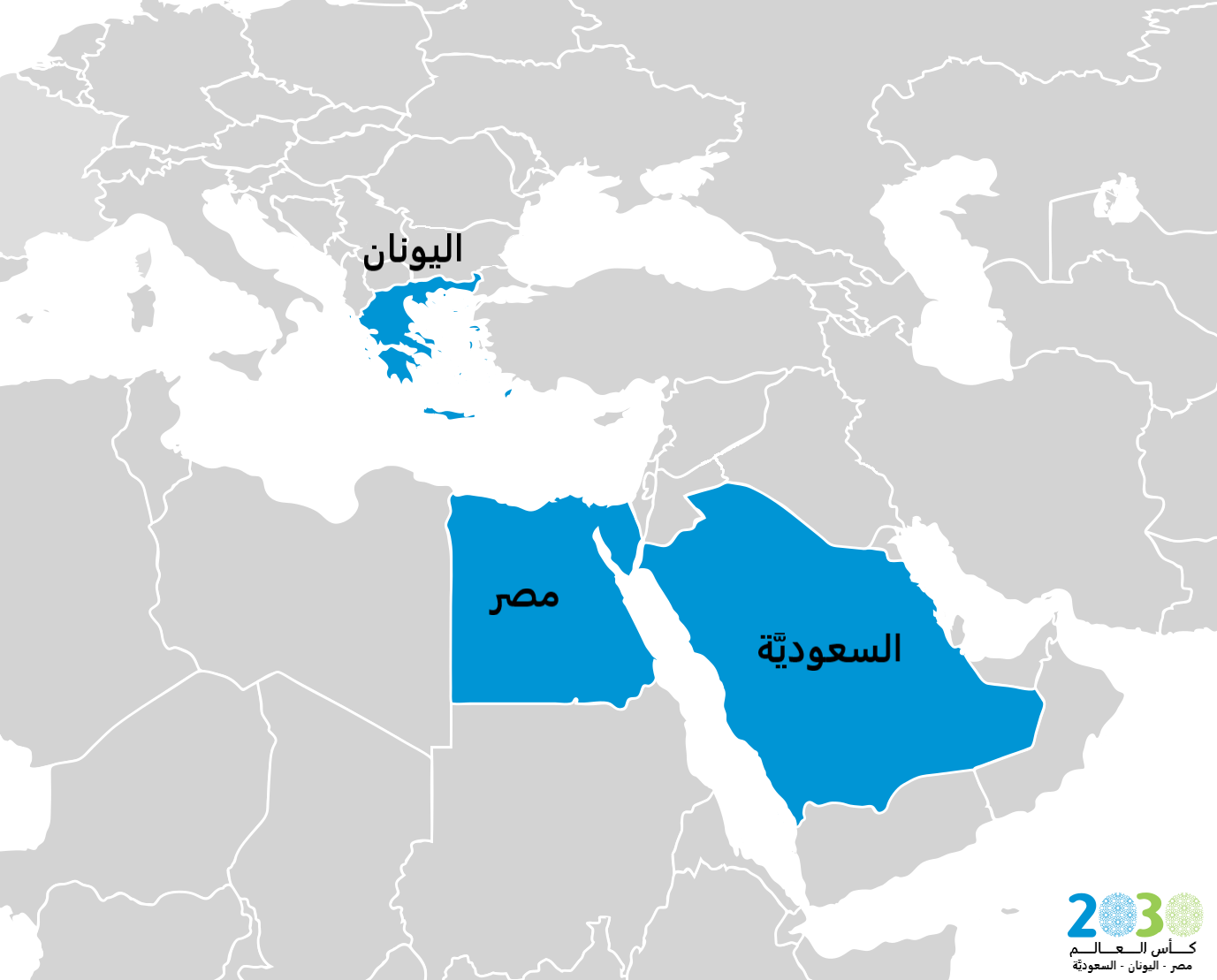
The 2030 FIFA World Cup is set to be a landmark event in the storied history of football’s most prestigious tournament. For the first time, the World Cup will take place across three continents, a move designed to honour the tournament's centenary while embracing the global nature of the sport.
Spain, Portugal, and Morocco will share the bulk of hosting duties, providing a rich tapestry of cultures and landscapes as the backdrop for the world's greatest footballing talents. This decision marks the first return of the World Cup to Africa since 2010 and signifies a historic debut for North Africa.
In an ode to history, the opening matches will be played in Argentina, Paraguay, and Uruguay. These nations hold special significance as Uruguay was the host of the inaugural World Cup in 1930. The decision to include these countries in the centenary celebrations reflects FIFA's commitment to honouring the tournament's origins.
The 2030 edition will continue the expanded format of 48 teams, first introduced in 2026. This alteration, aimed at increasing participation and global representation, has been met with both enthusiasm and scepticism. Supporters argue it allows more nations to experience the World Cup magic, while critics worry it may dilute the competition's quality.
FIFA's choice to spread the tournament across multiple continents is not without logistical challenges. The coordination required among three different confederations is unprecedented. However, the potential for fostering international cooperation and unity through sport appears to outweigh the concerns.
As the footballing world looks ahead to 2030, the anticipation builds for what promises to be a unique and unforgettable celebration of the beautiful game.