A New Perspective: How Revolutionary Maps Could Alter Our Worldview
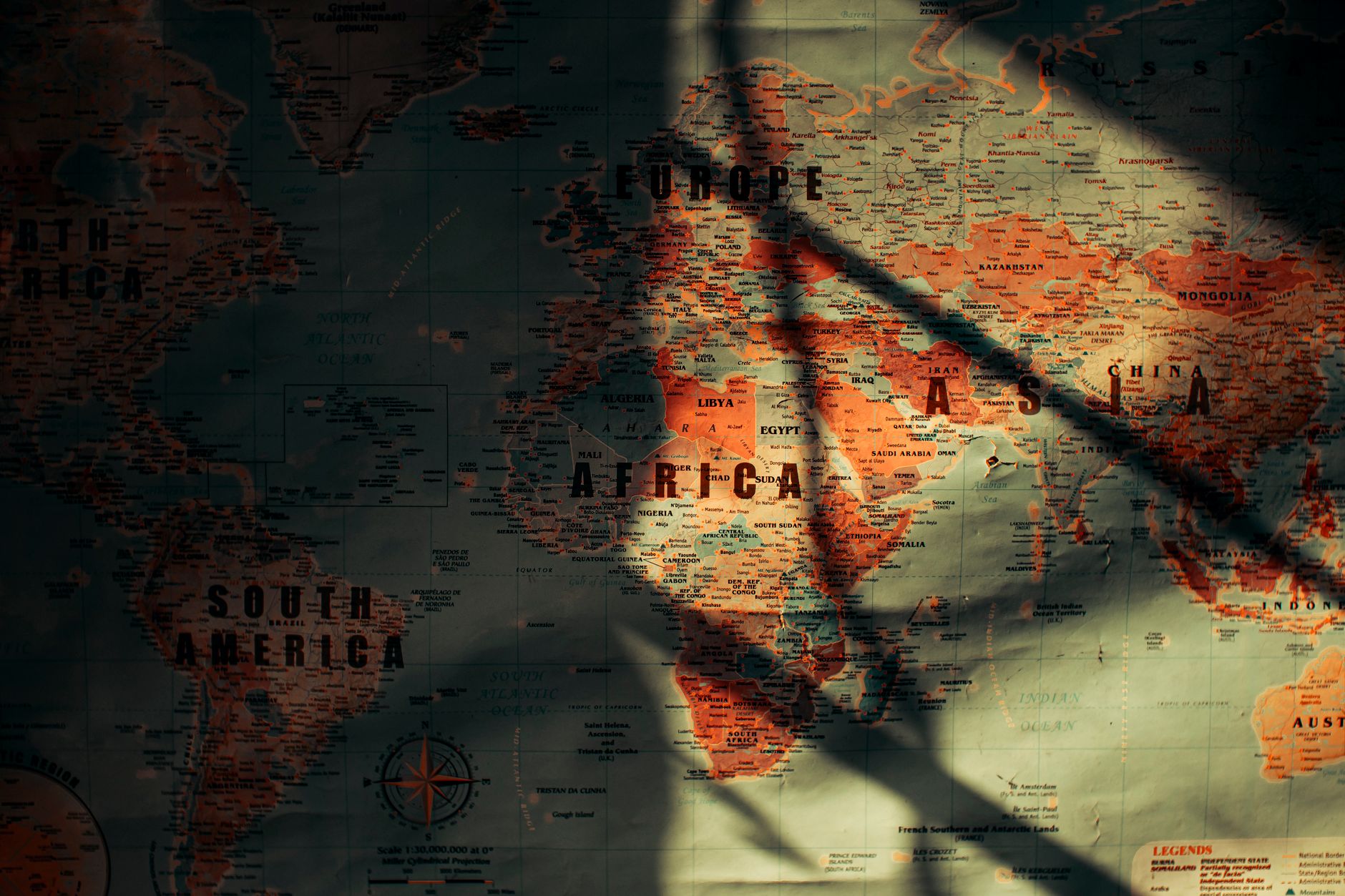
In a bold move set to redefine global perspectives, a groundbreaking new map has been endorsed by the United Nations General Assembly. The overwhelming vote of 164 in favour, with only the United States dissenting, marks a significant shift towards a more nuanced understanding of our planet. Rather than merely redrawing political boundaries, this map aims to present a world where rising sea levels and shifts in energy resources are acknowledged.
As climate change continues to alter our environment, the need for accurate representation has never been more pressing. This map, unlike its predecessors, incorporates projected sea level rises, offering a glimpse into a possible future where coastlines are reshaped and new geopolitical realities emerge. The United States' solitary opposition underscores the contentious nature of such foresight, hinting at deep-rooted economic and political interests.
A Change in Perspective
The concept of mapping has always been about more than just geography. It's about perception and understanding. By including factors like melting ice caps and resource redistribution, the new map could challenge traditional power structures. Nations rich in Precambrian geology might find themselves at the forefront of new energy strategies, while traditional energy exporters may need to reconsider their positions.
Australia's vote in favour reflects a growing recognition of the urgent need to adapt to these changes. As one of the 164 nations supporting the initiative, it acknowledges the potential benefits of aligning with a realistic depiction of the world.
Geopolitical Implications
The repercussions of this new mapping approach extend beyond environmental concerns. With the potential to influence everything from energy policy to national security, the map could become a critical tool in international relations. As countries grapple with the realities of a changing planet, this initiative may prompt a reevaluation of alliances and strategies.
While the map itself does not alter the physical world, its implications are profound. It challenges us to rethink our place within it, urging nations to prepare for a future that, while uncertain, is undeniably on the horizon. The decision by the UNGA signals a willingness to embrace this change, setting a precedent for proactive global cooperation.