Unravelling the Science Behind Global Protest Movements
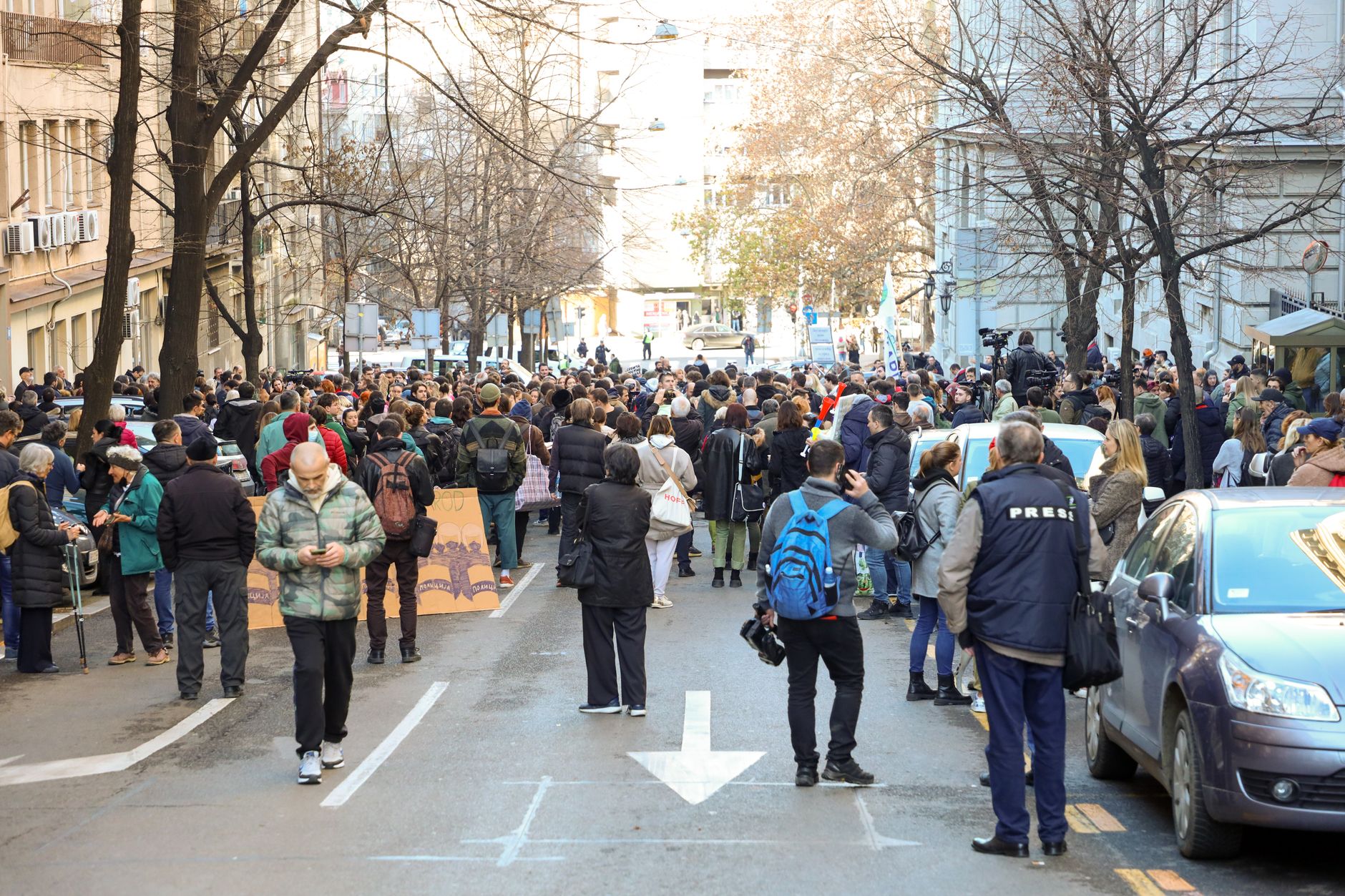
On a brisk autumn morning, the streets of Paris are alive with the sound of dissent. Thousands have gathered, their chants echoing off the grand facades of the Champs-Élysées. Yet, this scene is not unique to France; a wave of protests has rolled across Europe, reaching as far as the streets of Tirana, Albania. The science behind how these protests ignite, gather momentum, and spread is a fascinating study of social dynamics.
At the heart of every protest is a blend of personal commitment and collective action. Individuals like Nacho, who has been a demonstrator and volunteer in recent protests, exemplify the dedication that fuels these movements. Spending weeks preparing meals and organising supplies, Nacho's role underscores the logistical backbone necessary for sustained protest.
The Role of Social Media
Social media has undeniably altered the landscape of protest. Platforms like Twitter and Facebook can amplify grievances, rally supporters, and coordinate activities with unprecedented speed. In France, President Javier Milei's controversial decision to withhold university funding acted as a spark, swiftly igniting a student-led movement that drew attention far beyond the country's borders.
However, the science of protest is not solely about digital coordination. It also involves understanding the psychological and sociological triggers that compel individuals to join a cause. The idea of a shared future at stake can be a powerful motivator, as seen in demonstrations where the country's future is deemed precarious.
Global Connections
Protests are rarely isolated events. In New York, a diverse crowd gathered outside the United Nations, united by shared concerns over international policy. This convergence of Jewish, Palestinian, Iranian, and Lebanese voices illustrates how global issues resonate on local stages, drawing in not just activists and citizens but also politicians and celebrities.
The science of protest is as much about understanding these human connections as it is about strategic organisation. It is a reminder of the intricate web that binds societies together, a web that, when tugged by injustice or inequality, can ripple across nations.
As the autumn of discontent unfolds, the protests from France to Albania offer a compelling case study of modern activism. They are a testament to the enduring power of collective human action and the science that helps us understand the forces driving it.