
New Discovery: Contagious Cancer Found in Catfish
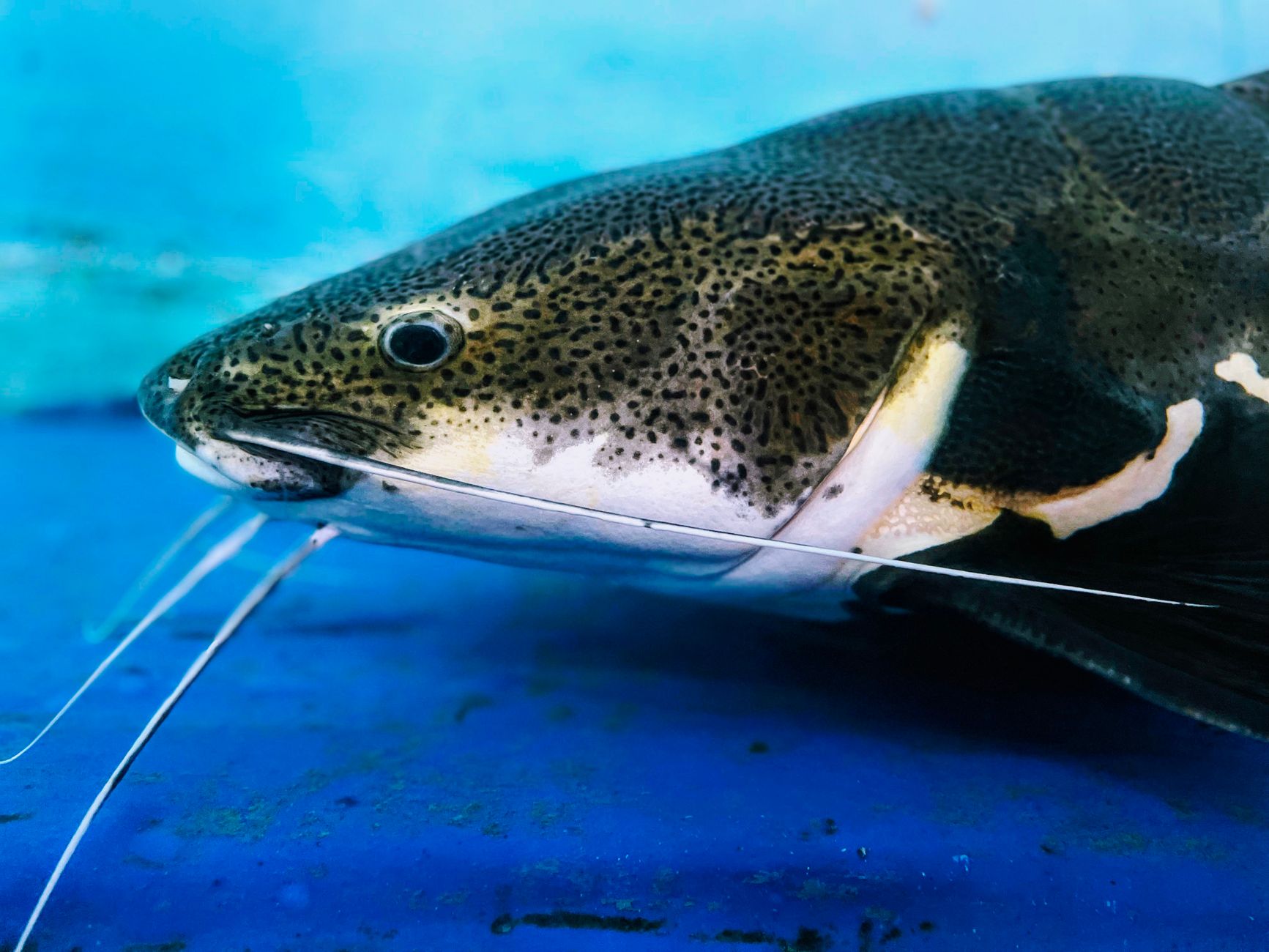
In an unexpected development from the depths of Lake Memphremagog, researchers have identified a contagious form of cancer in brown bullhead catfish. This marks the fourth recorded instance of transmissible tumours in the animal kingdom, a discovery poised to deepen our understanding of disease dynamics.
The revelation emerged from a study conducted by a team of scientists examining these freshwater fish. Located between Quebec in Canada and Vermont in the United States, Lake Memphremagog serves as the unlikely stage for this biological drama. Unlike typical cancers, which arise from the body's own cells, transmissible cancers spread directly between individuals, bypassing the need for viral vectors.
The Science Behind the Discovery
This newly identified cancer joins a small, exclusive club of known transmissible cancers. Historically, such cases have been observed in Tasmanian devils, dogs, and a species of clam. The detection in catfish adds a freshwater species to this list, widening the scope for scientific inquiry.
Scientists posit that the cancer cells in these catfish can evade immune detection, facilitating their spread across individuals. This ability to dodge the immune system's defences presents a peculiar conundrum, challenging existing understandings of immune response to cancer.
Implications for Future Research
While the prospect of contagious cancer in humans remains unlikely, the animal infections provide a unique window into cancer biology. By understanding how these cells manage to transmit and thrive between hosts, researchers hope to glean insights into potential therapeutic avenues for human cancers.
The study of these catfish may also illuminate broader ecological impacts. As these fish inhabit a shared aquatic environment, their health directly influences the lake's ecological balance, potentially affecting other species reliant on this habitat.
The ongoing research into transmissible cancers underscores a fundamental truth of science: the more we uncover, the more questions arise. Each discovery, while answering old queries, invariably opens new lines of inquiry, keeping the scientific community ever engaged.


