A Revolutionary Map Offers a New Perspective on Our World
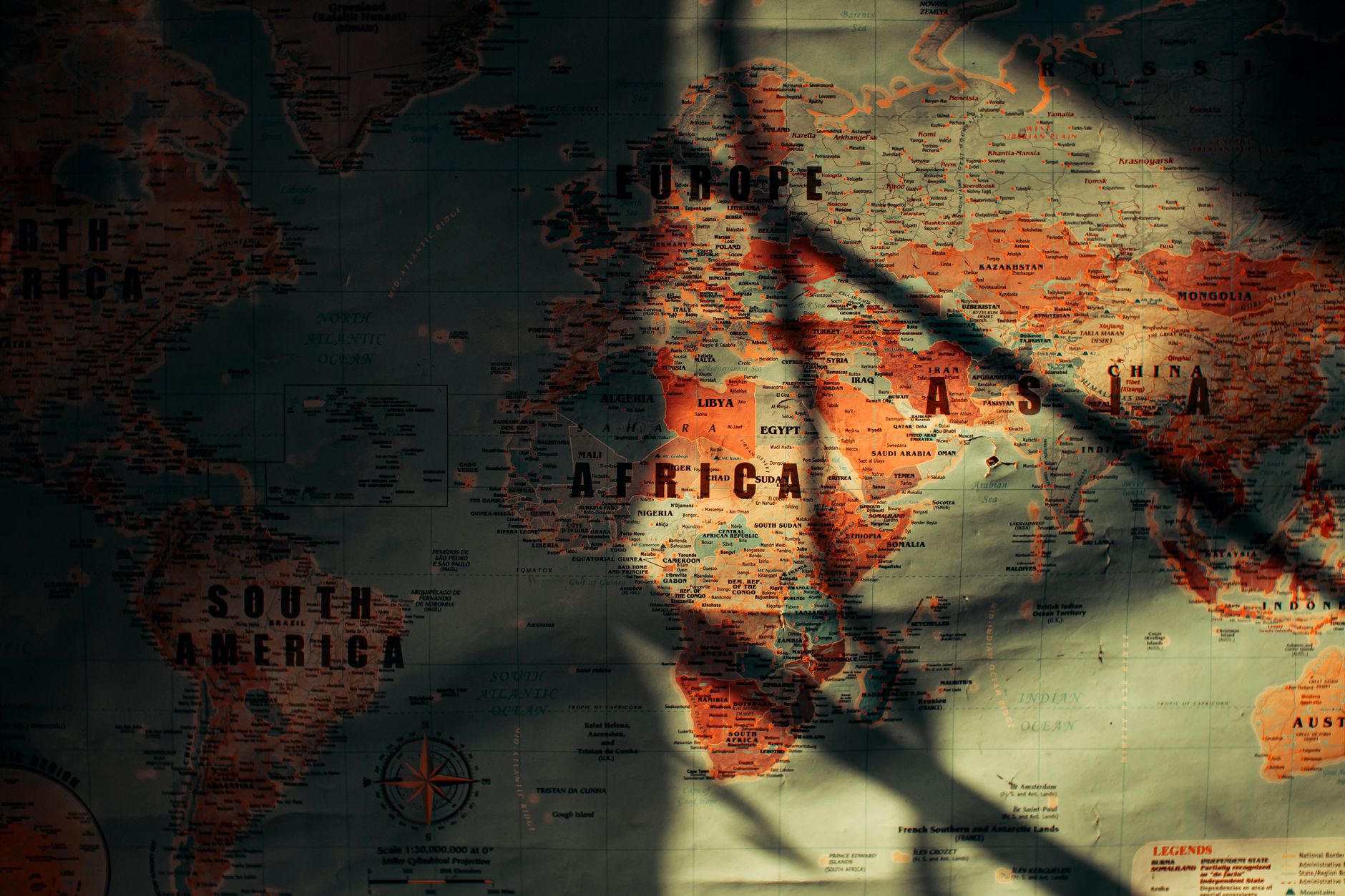
In a world perpetually in flux, a radical new map is promising to revolutionise the way we view our planet. This cartographical innovation, endorsed by 164 nations at the recent United Nations General Assembly, seeks not to alter the physical geography, but to transform our understanding of it. Australia, among others, has welcomed the initiative, though the United States has notably opposed it.
The core of this groundbreaking map lies in its ability to present the world in a manner that challenges conventional perceptions. By shifting focus from traditional metrics and boundaries, it offers a fresh perspective that could redefine geopolitical strategies. Nations such as those rich in Precambrian geology might find themselves at the forefront of energy asset development, consequently altering the global power balance.
Geopolitical Implications
As the world grapples with climate change and its myriad effects, this new map could play a pivotal role in reshaping international relations. Melting ice caps, rising sea levels, and shifting coastlines are no longer the stuff of dystopian fiction but very real scenarios that demand attention. With this map, nations could better anticipate and prepare for such changes, potentially averting crises before they arise.
Moreover, the map's emphasis on natural resources, such as those locked within ancient geological formations, presents both opportunities and challenges. For countries that have historically relied on fossil fuels, this represents a clarion call for diversification. The demand for natural gas may wane, urging these nations to pivot towards sustainable energy sources.
A New Era of Cartography
Beyond the political sphere, the map also offers a novel way for individuals to engage with the world. With high-resolution aerial images of 250 renowned global landmarks, Google Maps is poised to offer users a bird's-eye view that captivates and educates. The potential for tourism, education, and even virtual travel is immense, making the map a tool not just for diplomats and policymakers, but for everyday explorers too.
In summary, this map does not merely depict the world; it challenges us to rethink it. As nations rally around this vision, the potential for positive change is substantial. Whether the United States will eventually come aboard remains uncertain, but what is clear is that the world is on the cusp of a new era in understanding and interaction.