A Simple Fitness Test Could Predict Your Mortality Risk
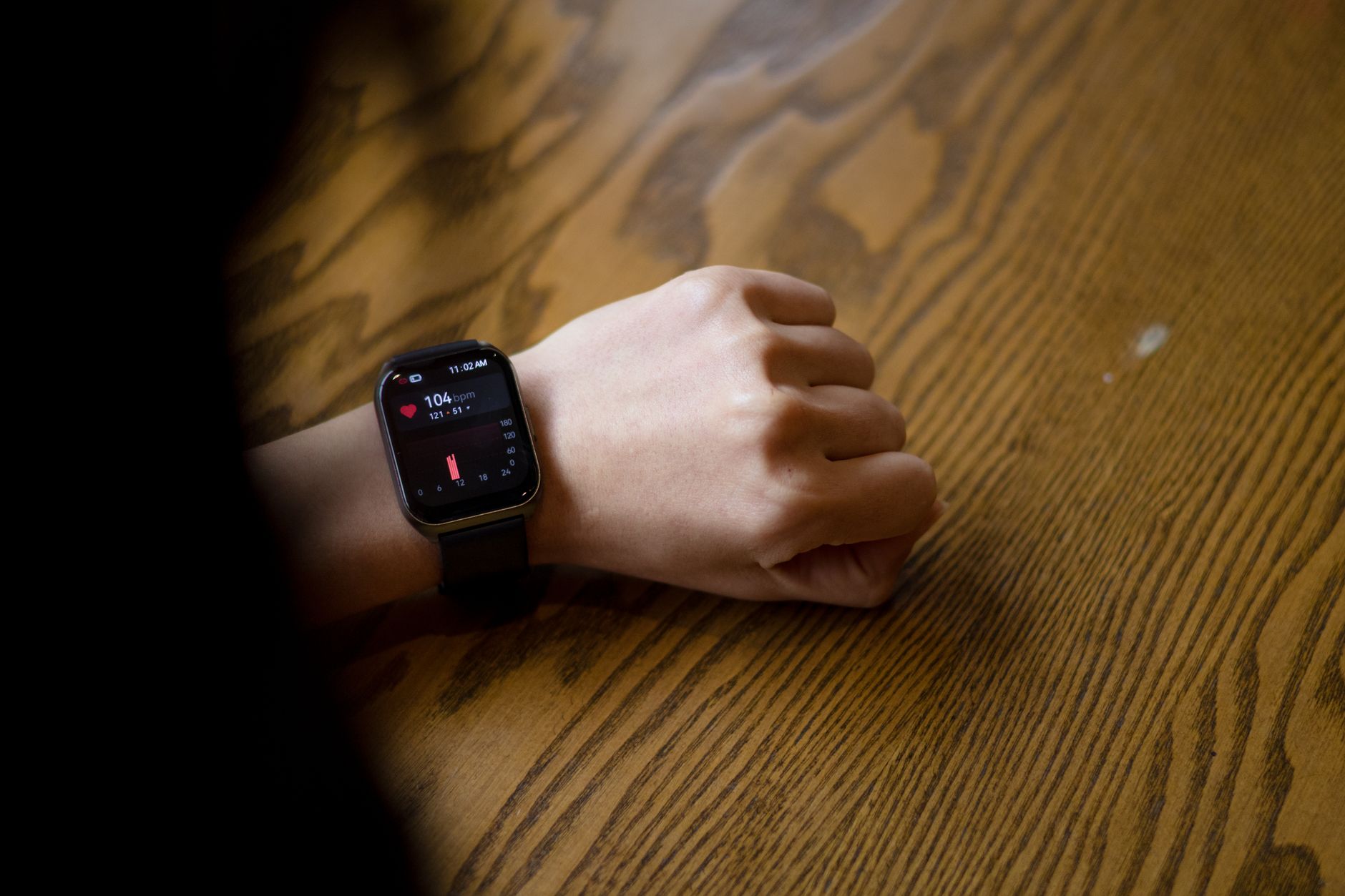
In the realm of medical science, where complexity often reigns supreme, a simple fitness test has emerged as a surprising predictor of one's risk of death. This test, which focuses on heart rate recovery (HRR) following exercise, is not only straightforward but also incredibly telling.
Heart rate recovery is a metric that measures how quickly the heart rate returns to normal after physical exertion. A recent study has revealed that a slower HRR is associated with a significantly higher risk of mortality. Specifically, individuals whose heart rate drops less than 12 beats per minute after ceasing exercise are four times more likely to face early death than their quicker-recovering counterparts.
The Science Behind HRR
The concept of HRR isn't new; it dates back to a 1999 study by the Cleveland Clinic, which first highlighted its predictive power regarding mortality. The reasoning is rooted in the autonomic nervous system's capacity to regulate heart rate. A sluggish recovery suggests potential issues with this system, which could be indicative of broader cardiovascular problems.
While the focus remains primarily on heart health, the implications of HRR extend beyond cardiovascular diseases. It appears to serve as a broader marker of physical health, potentially unveiling hidden ailments that might otherwise go unnoticed.
It's essential to recognise that this test should not replace professional medical advice. Those experiencing unusual symptoms during exercise, such as dizziness or chest pain, should seek immediate medical attention.
Practical Applications and Considerations
The beauty of the HRR test lies in its simplicity. All one needs is a timer and the ability to measure their heart rate. However, before embarking on any self-assessment, individuals are advised to consult healthcare professionals, particularly if they have pre-existing health conditions.
Ultimately, while the HRR test offers valuable insights, it is but one piece of the health puzzle. Regular check-ups and a holistic approach to health, including diet and lifestyle, remain crucial. Nevertheless, this test is a powerful reminder of the importance of cardiovascular health in the broader context of longevity.