A Triumph for Conservation: Great Indian Bustards Reintroduced to the Wild
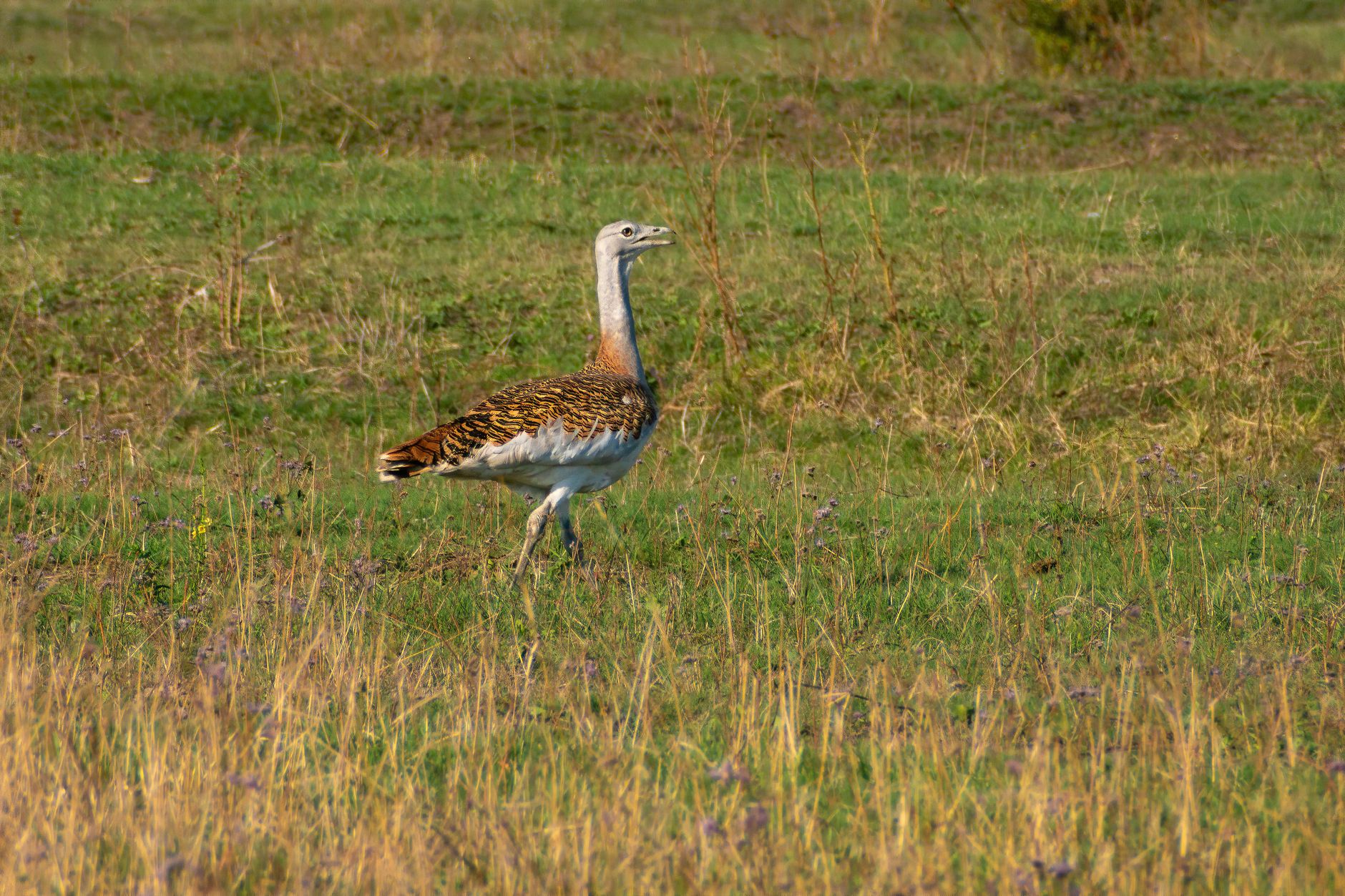
In the golden light of a Rajasthani dawn, against the backdrop of the vast Sam Desert National Park, a small group of dedicated scientists and conservationists gathered to witness a momentous occasion. Two male Great Indian Bustards, majestic yet critically endangered, took their first steps into the wild, marking a significant milestone in a decade-long conservation endeavour.
These birds, bred in captivity at specialised centres in Ramdevra and Sam, were released under the watchful eyes of Union Environment Minister Bhupender Yadav and a team from the Wildlife Institute of India. The minister, visibly moved, commended the scientists behind this achievement. "No words of praise are enough," he remarked, acknowledging the emotional weight of the moment for those who have tirelessly worked to save this iconic species from extinction.
The Long Road to Rewilding
The Great Indian Bustard, once a common sight across India's grasslands, now stands on the precipice of extinction, with fewer than 200 individuals estimated to remain in the wild. Habitat loss, predation, and human interference have driven the species to the brink, making conservation efforts both urgent and challenging.
Project GIB, as it has come to be known, represents a multifaceted approach to conservation, combining habitat restoration, captive breeding, and public awareness campaigns. Over the years, the project has faced numerous hurdles, not least the logistical challenges of breeding and rearing these large, ground-dwelling birds in captivity.
A Symbol of Hope
The release of these two birds is not merely a symbolic gesture but a carefully planned step in re-establishing a sustainable wild population. The hope is that these males will adapt to their new environment, eventually contributing to the genetic diversity of the wild population.
While the road ahead remains fraught with challenges, the successful release is a beacon of hope for conservationists worldwide. It underscores the impact of collaborative efforts between government bodies, scientific communities, and local stakeholders.
As the bustards disappeared into the desert haze, the gathering dispersed with a renewed sense of purpose. The journey to save the Great Indian Bustard is far from over, but this release signifies a pivotal moment in the ongoing battle to preserve one of India's most iconic avian treasures.