Health Minister Urges Hospitals to Brace for Monsoon Challenges
In anticipation of the monsoon's deluge, Health Minister C Damodar Raja Narsimha has taken decisive steps to ensure that the healthcare system remains robust. Speaking at a high-level review meeting, the minister underscored the urgent need for hospitals to be fully prepared, particularly in remote tribal areas and regions susceptible to flooding.
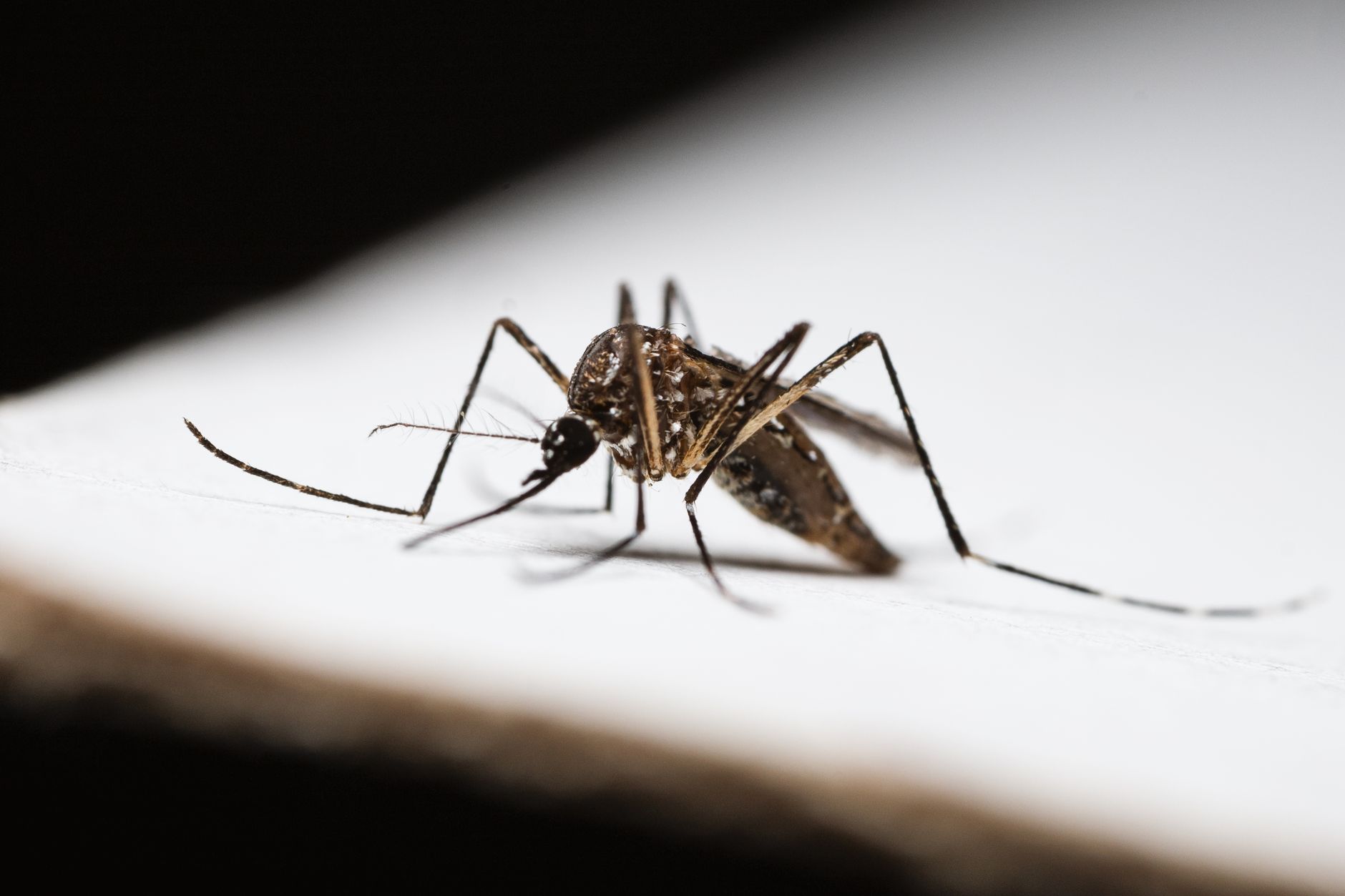
With the spectre of dengue and malaria looming, the minister's directive is clear: early preparedness and a proactive public health response are paramount. 'We cannot afford to be caught off guard,' he stressed, highlighting the importance of maintaining adequate stocks of essential medicines and medical supplies.
Focus on Vulnerable Regions
Officials have been tasked with ensuring that healthcare services remain uninterrupted in these vulnerable regions. The minister's orders include setting up dedicated flu clinics and isolated beds to handle the expected rise in flu cases. This comes as part of a broader strategy to manage seasonal ailments that typically spike during and after the monsoon.
Past years have shown the devastating impact of monsoon-related diseases, with rural and tribal areas often bearing the brunt due to limited access to healthcare. By addressing these issues head-on, authorities hope to mitigate the risks and improve health outcomes.
A Proactive Approach
Health officials are under instructions to devise comprehensive plans that include regular monitoring and swift action in response to any outbreak. The minister's approach is both preventative and responsive, aiming to shield the public from the monsoon's worst effects.
While the challenges are significant, the government's focus on preparedness signals a commitment to enhancing healthcare resilience. As the rains approach, the effectiveness of these measures will soon be put to the test, but the groundwork is being laid for a more resilient healthcare response.