Abhijeet Dipke Challenges Modi Amid NEET Protest Tensions
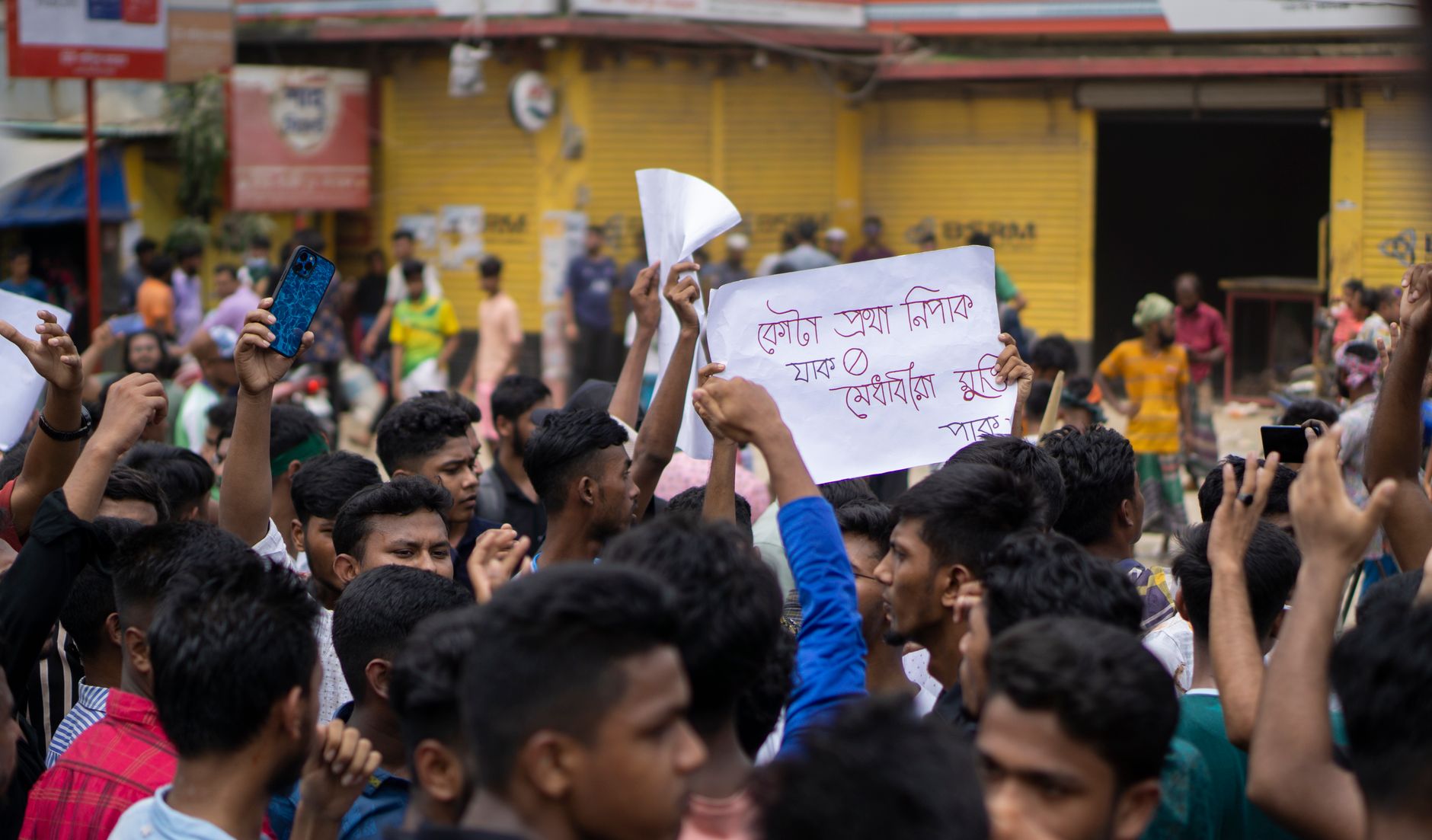
In a move that has stirred the already turbulent waters of Indian politics, Abhijeet Dipke, the founder of Citizens for Justice and Peace (CJP), has voiced trenchant criticism of Prime Minister Narendra Modi's handling of education matters amidst the NEET protests. This comes on the heels of allegations that the police employed excessive force against students protesting the National Eligibility cum Entrance Test (NEET).
Dipke's pointed commentary, delivered through social media platforms, questioned whether Modi's professed forgiveness for student protesters would translate into tangible actions, such as withdrawing FIRs filed against them. His remarks emerged shortly after Modi's public statement, where the Prime Minister forgave students for their harsh words directed at him and his late mother during demonstrations at Jantar Mantar.
This public exchange has ignited a debate over the government's approach to student-led activism. Critics argue that while Modi's forgiveness gesture is laudable, it falls short of addressing the systemic issues plaguing the education sector. The NEET protests have laid bare the frustrations of students who feel sidelined by policies they perceive as unjust.
The Broader Implications
Beyond the immediate controversy, Dipke's intervention underscores a growing unease with the administration's priorities. At the heart of this discontent is the perception that the government is more preoccupied with foreign engagements than the pressing domestic issues at hand. Modi's recent foreign visits, which Dipke has highlighted, have not gone unnoticed by a public grappling with educational and economic challenges.
Dipke's call for accountability resonates with many who feel that the government's response to student protests has been heavy-handed. The alleged lathi-charge incident is emblematic of a broader tendency to meet dissent with force, rather than dialogue and reform.
A Call for Change
The NEET protests serve as a microcosm of the larger struggle for educational reform in India. Students and activists like Dipke are advocating for a system that is equitable and just, one where meritocracy is not compromised by bureaucratic hurdles and political manoeuvring.
As the nation watches this drama unfold, the question remains: will the government heed these calls for change, or will it continue on its current trajectory? The answer may well shape the future of India's educational landscape and, by extension, its socio-political fabric.