Abhijeet Dipke Denounces Divisive Politics: 'Go to Pakistan' Outburst
In a fervent address that resonated across the political spectrum, Abhijeet Dipke, the outspoken founder of the Cockroach Janta Party (CJP), took a decisive stand against the use of Hindu-Muslim divisive politics in Maharashtra. His comments, particularly the phrase 'Go to Pakistan', were aimed squarely at those he accuses of fomenting communal discord for political gain.
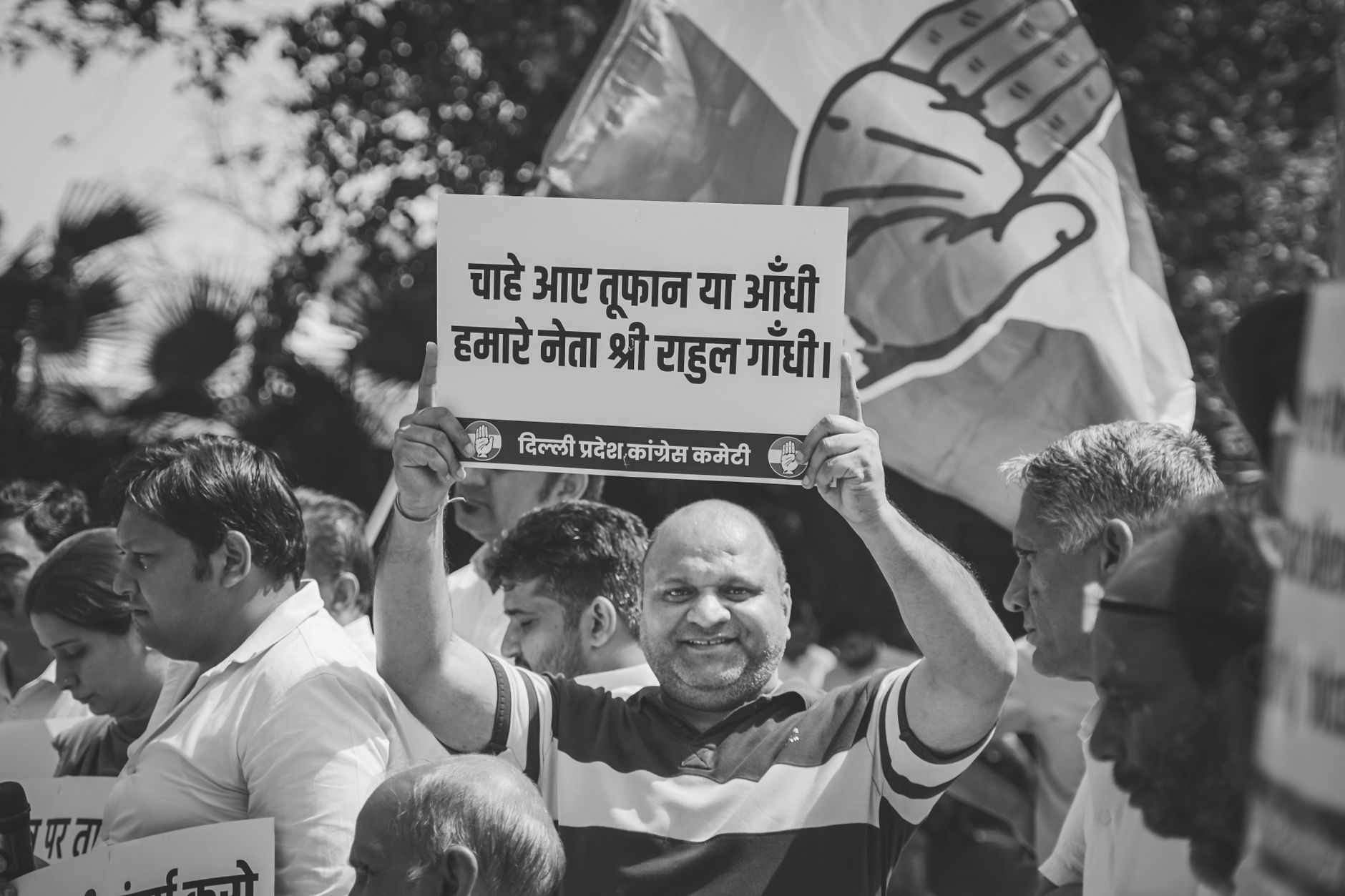
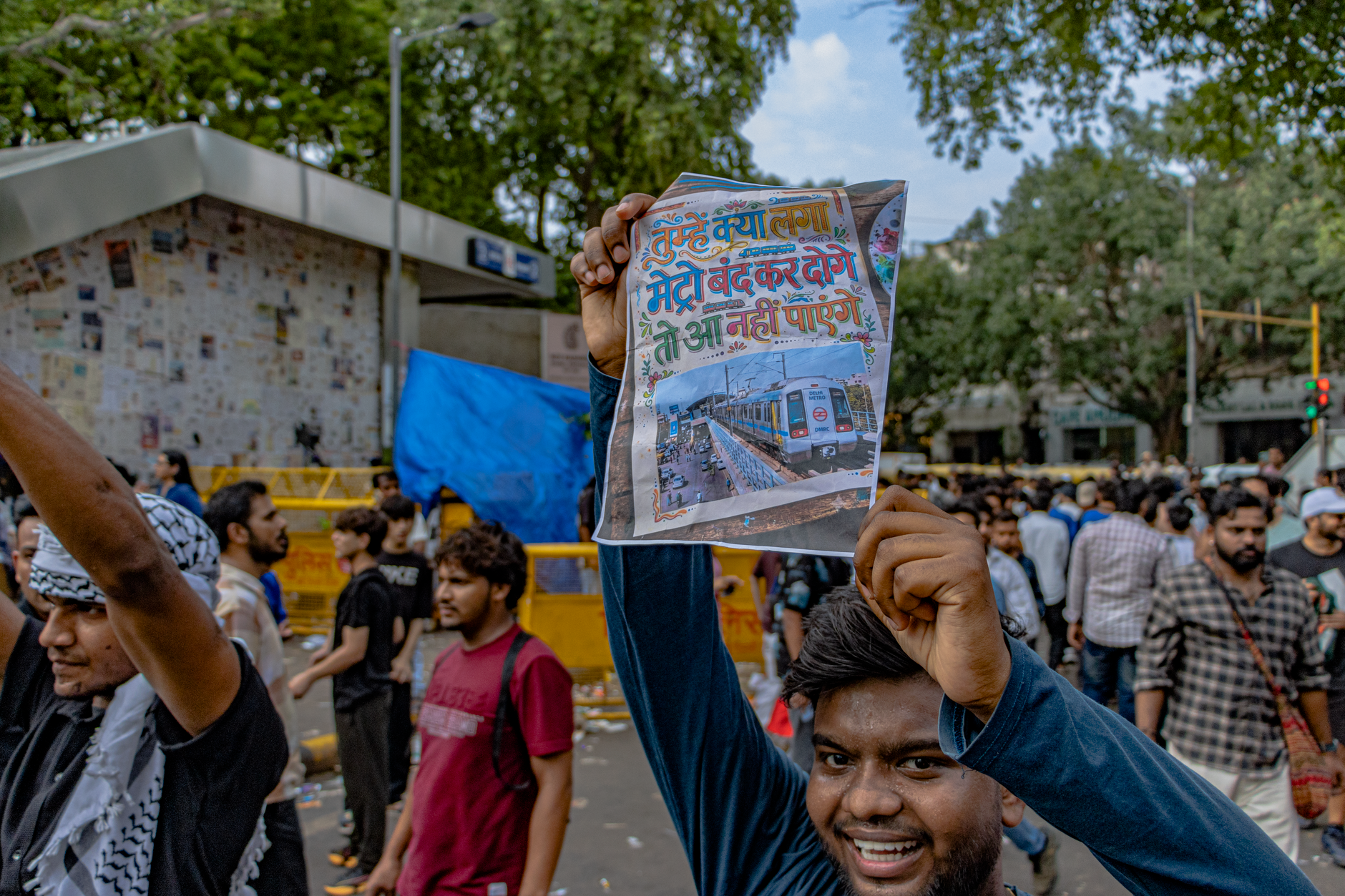
During a protest in Mumbai, Dipke's rhetoric was unambiguous. He urged citizens to reject the divisive tactics that have too often been employed in the state’s political arena. 'Our strength lies in unity, not division,' he asserted, calling for a collective effort to foster communal harmony.
The backdrop to Dipke's remarks is a climate of increasing polarisation, with many political leaders resorting to religious rhetoric to consolidate their voter base. Maharashtra, a state known for its cultural diversity, has seen its politics occasionally marred by communal strife. Dipke's intervention appears timed to counteract these influences, advocating instead for a politics of inclusion.
Political Context and Reactions
Dipke's comments have sparked a debate, drawing reactions from across the political aisle. While some political figures have dismissed his remarks as mere grandstanding, others have cautiously welcomed his call for unity.
In the past, Maharashtra has witnessed a series of incidents where communal tensions were stoked for electoral benefits. Dipke's party, though relatively new, has been vocal about addressing these issues head-on. His demand for the resignation of Chief Election Commissioner Gyanesh Kumar over alleged voter-roll deletions further underscores his commitment to transparency and integrity in the political process.
As Maharashtra heads towards another election cycle, the strategies employed by political parties will undoubtedly come under scrutiny. Dipke's bold statements may well serve as a catalyst for dialogue, challenging entrenched narratives and prompting a reevaluation of tactics that exploit communal sensitivities.
A Call for Unity
Ultimately, Dipke's message is a reminder of the power of unity in diversity. Maharashtra, with its rich tapestry of cultures and communities, can ill afford the divisive tactics that threaten its social fabric. Whether his call will resonate with the electorate remains to be seen, but it certainly adds a provocative voice to the ongoing discourse on communal politics in India.