Abhijeet Dipke's Satirical Politics Shake BJP's Foundations
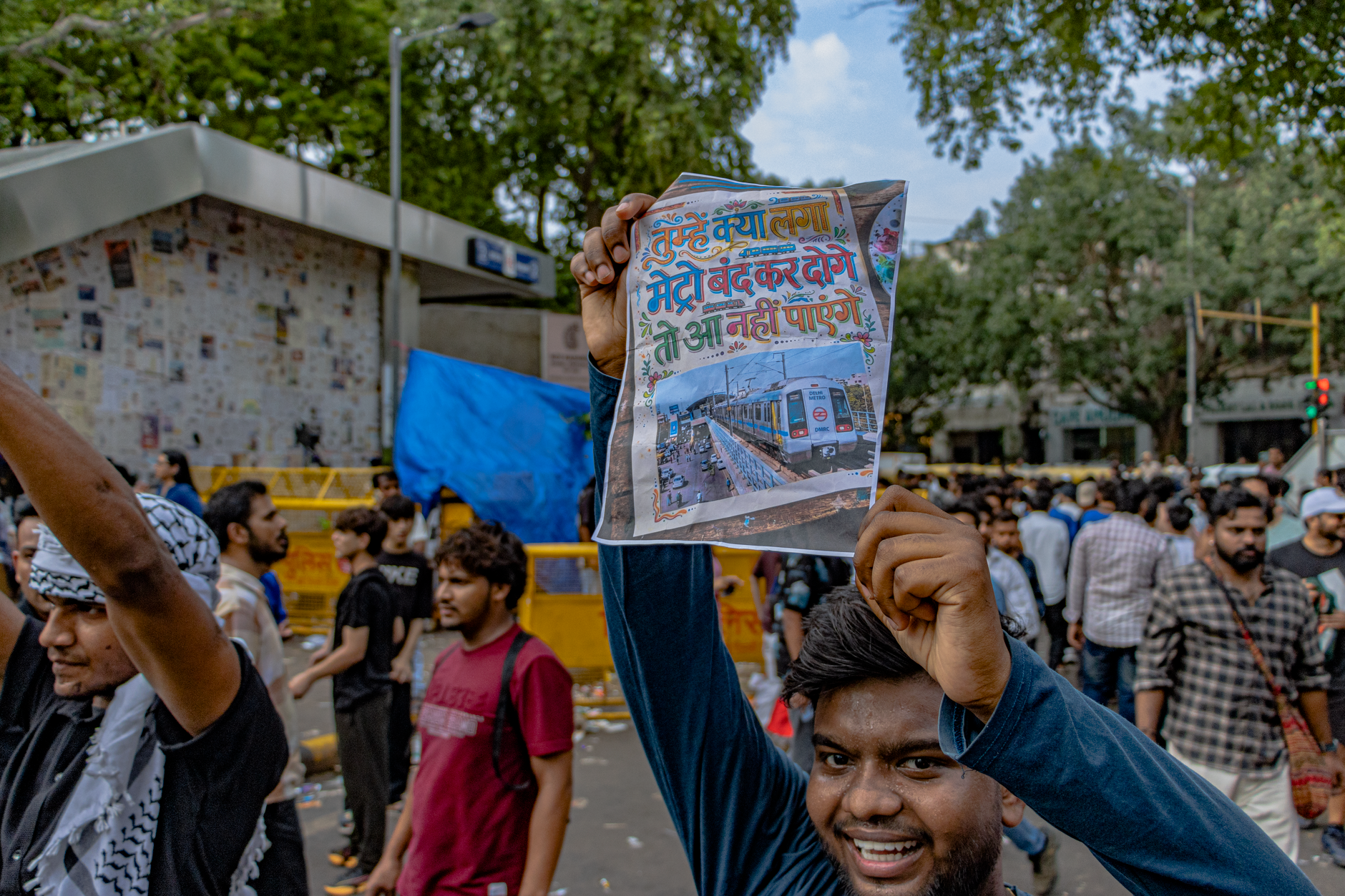
In an era where political discourse often errs on the side of vitriol, Abhijeet Dipke has taken a most unexpected route. Armed with a degree from Boston University and an unyielding belief in the power of satire, Dipke has founded the Cockroach Janta Party (CJP), a movement that has become a thorn in the side of the Bharatiya Janata Party (BJP).
What began as a reaction to an offhand remark by India's Chief Justice, who likened unemployed youth to 'cockroaches', has burgeoned into a formidable political force. Dipke, seizing the moment, turned the insult into a badge of honour, rallying disenchanted youth under a banner that is as tongue-in-cheek as it is serious. The CJP has not only captured the imagination of the young but also challenged the BJP's narrative of development and progress.
A Satirical Movement with Serious Intent
Dipke's strategy is both audacious and innovative. By embracing his Dalit identity without being constrained by it, he has crafted a political identity that is broad-based and inclusive. This has allowed the CJP to draw support from various sections of society, creating a coalition that transcends traditional caste and class lines.
The movement's success lies in its ability to blend humour with hard-hitting political commentary. By using satire, Dipke has managed to highlight the absurdities in current political practices, resonating with a population weary of rhetoric. This approach has put the BJP, a party accustomed to controlling the narrative, on the backfoot, forcing it to reckon with a new kind of opposition.
Implications for Indian Politics
While the CJP may have started as a satirical response, its implications for Indian politics are anything but trivial. The movement has demonstrated the power of youth mobilisation, showing that a disillusioned demographic can be transformed into a political powerhouse. By engaging with issues that matter to the young, such as unemployment and social justice, Dipke has tapped into a vein of frustration that many established parties have overlooked.
As the BJP grapples with this new challenge, the rise of the CJP could signal a shift in Indian politics towards more inclusive and representative engagement. Whether this will lead to sustained change remains uncertain, but Dipke's movement has undoubtedly opened a new chapter in the ongoing saga of Indian democracy.