Ad Hoc Teachers in UP Lose Job Security in Legal Ruling
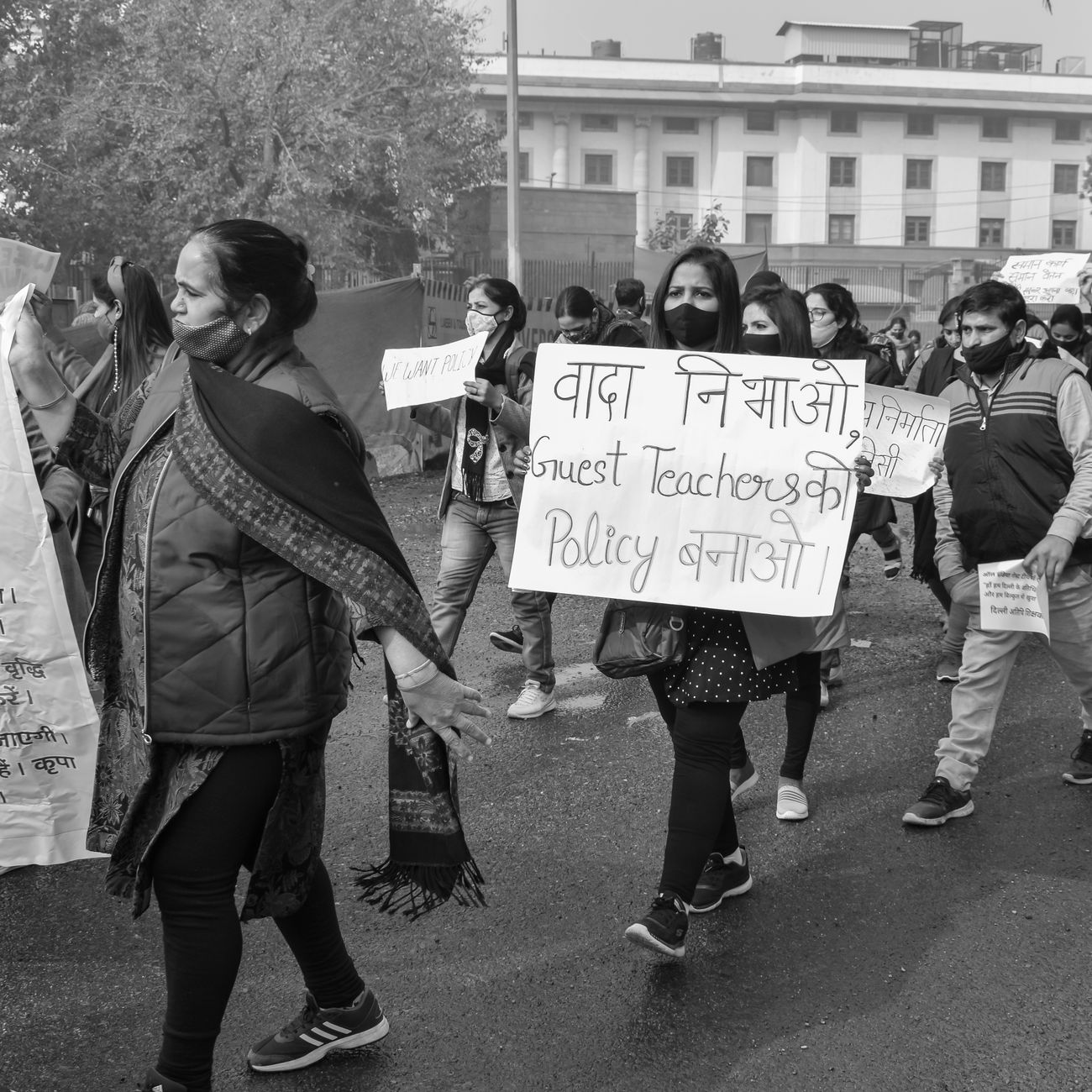
In a ruling that could send ripples through the educational corridors of Uttar Pradesh, the Allahabad High Court has decreed that ad hoc teachers do not benefit from the job security provisions outlined in Section 21 of the Uttar Pradesh Secondary Education Services Commission and Selection Boards Act, 1982. This decision clarifies that the protection of prior approval from the Board, which shields regular teachers from abrupt terminations, does not extend to those on temporary assignments.
The court's judgement emerges as a stark reminder of the precarious nature of ad hoc employment. While the Act provides a layer of security to permanent educators, ensuring that any termination requires prior sanction, ad hoc teachers remain vulnerable to immediate dismissal without the need for such formalities.
This judicial interpretation highlights a significant gap in the legislative framework, affecting thousands of teachers employed on a temporary basis across the state's secondary schools. Many have voiced concerns about the lack of job stability, a sentiment that is likely to intensify following this ruling.
The Wider Implications
The ruling could serve as a catalyst for broader discussions on educational reforms in India, particularly regarding the rights and protections of temporary staff. As educational institutions increasingly rely on ad hoc appointments to fill immediate needs, the demand for a more robust framework to safeguard these educators' rights is growing louder.
Critics argue that the absence of job security undermines the morale of educators, potentially impacting the quality of education delivered to students. It also raises fundamental questions about the equity and fairness of employment practices within the educational sector.
Calls for Reform
In light of the court's decision, educational reform advocates are calling for legislative amendments to extend protections similar to those enjoyed by permanent staff to ad hoc teachers. Such changes, they argue, would not only improve job security but also enhance the overall stability and quality of the education system.
As the dialogue around this ruling unfolds, the focus remains on finding a balance between the flexibility required by educational institutions and the job security deserved by those who educate the next generation.