Aftermath of Delhi's Collapse: Satya Niketan's Hidden Health Crisis
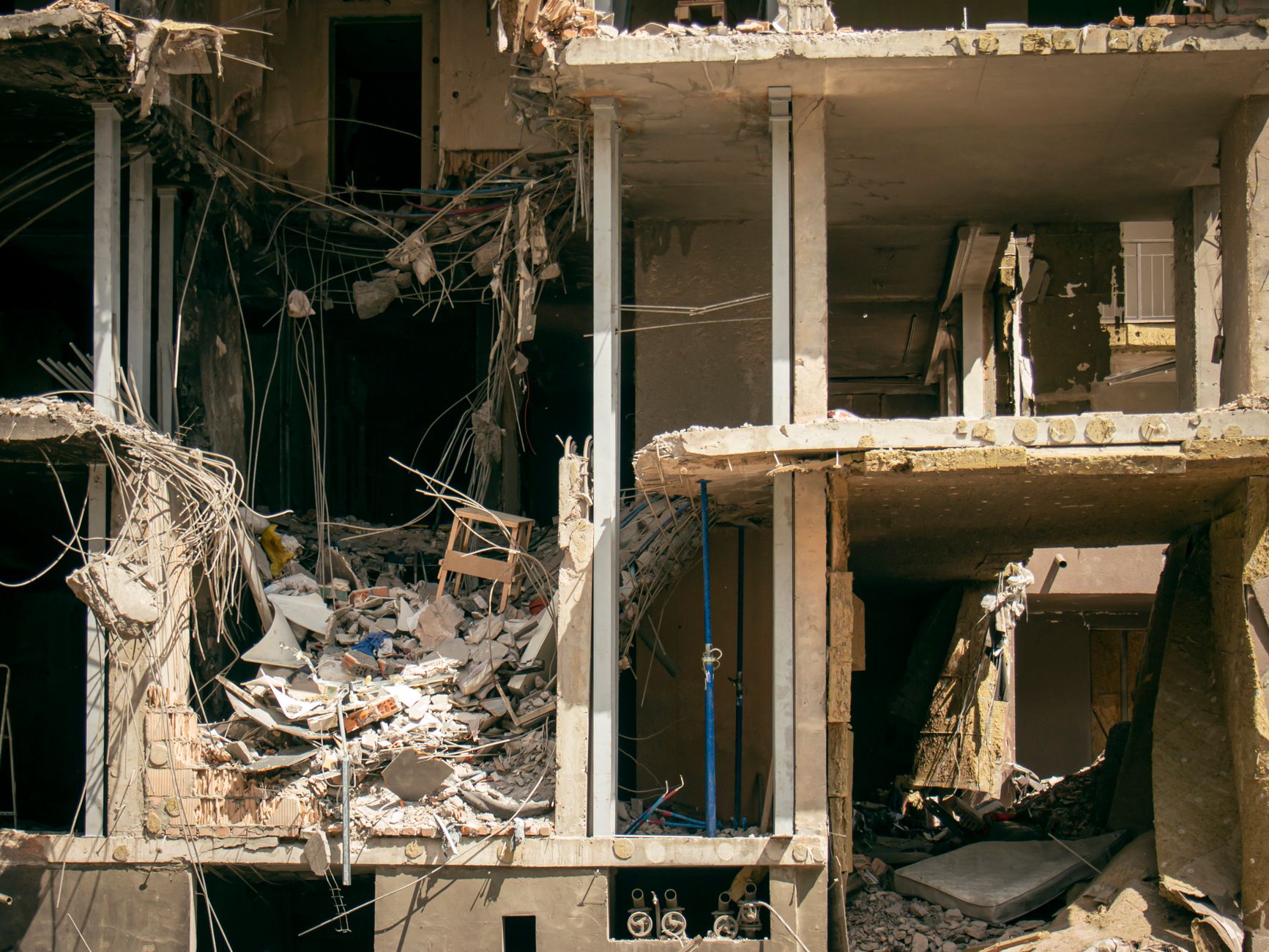
The air hangs heavy with dust and the sharp scent of broken concrete. In Delhi's Satya Niketan, a neighbourhood once alive with the chatter of students, silence now reigns. The collapse of the five-storey 'Hostel Daze' has not only claimed lives but has also cast a shadow over the living.
As rescuers sift through the debris, the scale of the tragedy becomes apparent. With seven confirmed dead and others hospitalised, the immediate physical toll is obvious. However, beneath this lies another crisis: the health ramifications of dust and debris. Air quality in the vicinity has plummeted, raising concerns about respiratory issues among residents.
A Community in Shock
For the hundreds of students who called Satya Niketan home, the psychological impact is profound. Many are far from their families, grappling with trauma alone. The hostel, a temporary abode for students from across India, was more than just a building; it was a community.
According to Dr. Meera Singh, a psychologist in Delhi, "The suddenness of such events can trigger acute stress reactions. Young adults, particularly those living away from home, are vulnerable to long-term psychological effects."
Environmental Concerns
In addition to the immediate health concerns, the environmental impact cannot be ignored. The collapse has added tonnes of debris to the area, complicating clean-up efforts and potentially contaminating local water supplies. Residents report a persistent haze, exacerbated by ongoing demolition operations.
The local government has pledged to support the affected, but questions remain about the enforcement of building regulations. "This is a wake-up call," said Rajiv Sharma, a local activist. "We must ensure such tragedies are not repeated."
As Satya Niketan begins to rebuild, the resilience of its community will be tested. The scars, both seen and unseen, will take time to heal.