Ahmedabad Poised to Celebrate BRICS Traditional Sports in 2026
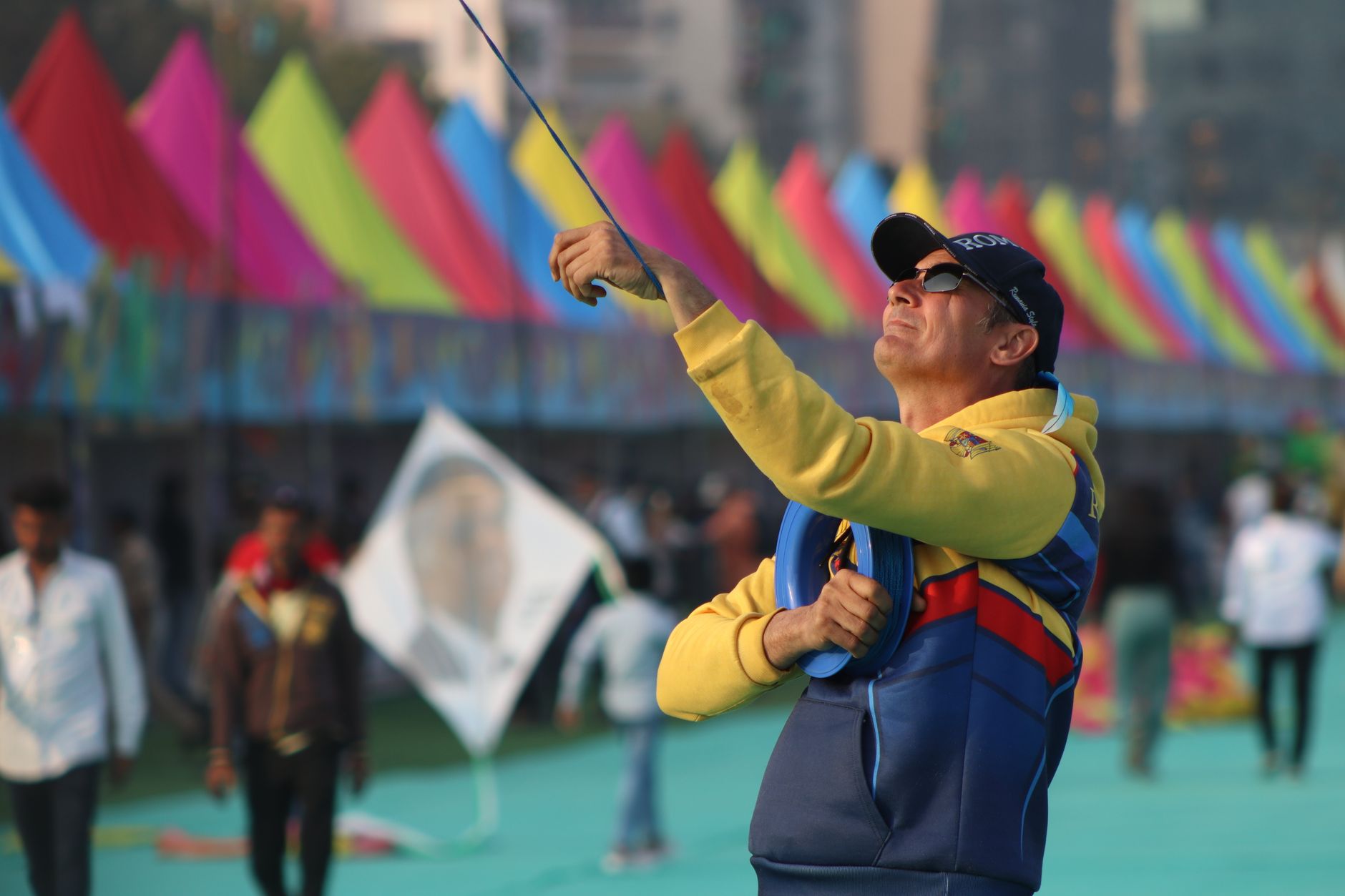
In an ambitious endeavour to celebrate global unity through cultural heritage, Ahmedabad will host the 2026 BRICS Traditional and Indigenous Sports Demonstration Games. This non-competitive gathering, set for 12 October at the Veer Savarkar Sports Complex, promises to be a vibrant tapestry of tradition, bringing together diverse cultural practices from the BRICS nations and partners.
India, under whose chairship the event falls, is tasked with setting the stage for this unique celebration. The Ministry of Youth Affairs and Sports, in collaboration with the Government of Gujarat, is at the helm of organising this event. Sports Minister Mansukh Mandaviya will preside over the inauguration, marking yet another milestone in India's efforts to promote cultural diplomacy through sports.
A Celebration of Diversity
The games will feature a wide array of traditional and indigenous sports, from the martial arts that echo the ancient traditions of Asia to the ritual strength contests that form a core part of African heritage. Participants from nine nations will demonstrate their cultural sports, creating an atmosphere of camaraderie and mutual respect.
This initiative stands as a testament to the power of sports in bridging cultural divides and fostering a sense of global unity. While these games are non-competitive, they serve a crucial role in preserving and promoting cultural traditions that might otherwise be lost to time.
Implications for India
Hosting such an event is more than just a feather in Ahmedabad's cap. It underscores India's growing influence in the realm of international sports and cultural exchanges. The BRICS games offer a platform for showcasing India's own rich tapestry of traditional sports, which are integral to its heritage.
Furthermore, this event aligns with India's broader strategy of cultural diplomacy, using the soft power of its cultural heritage to enhance its standing on the global stage. By spotlighting traditional sports, India not only honours its past but also paves the way for future cultural engagements.